The Ultimate Guide to Safely Defrosting Chicken
- Nishadil
- November 16, 2026
- 0 Comments
- 4 minutes read
- 5 Views
- Save
- Follow Topic
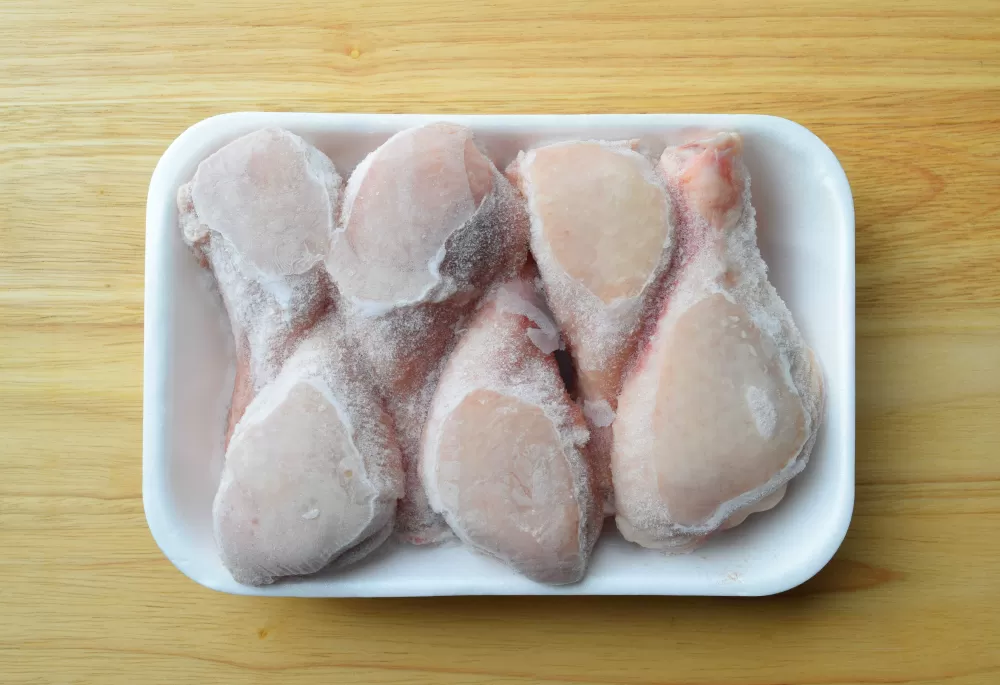
Thaw It Right: Your Essential Guide to Safe Chicken Defrosting
Don't risk foodborne illness! Discover the best and safest ways to defrost chicken using your refrigerator, cold water, or microwave, ensuring delicious and healthy meals every time.
Starting a meal with frozen chicken can be a real kitchen challenge, right? We've all been there – dinner plans foiled because that chicken breast is still a solid block of ice. But beyond the inconvenience, thawing chicken safely is absolutely crucial to prevent foodborne illness. Skipping proper thawing steps, you know, can create a breeding ground for bacteria, turning a tasty meal into a potential health hazard. So, let's dive into the tried-and-true methods that keep your chicken delicious and, more importantly, safe to eat.
When it comes to defrosting, the refrigerator method is truly the gold standard, often recommended by food safety experts. It's incredibly reliable because it maintains a consistently cold temperature, usually around 34°F (1°C), which completely halts bacterial growth. The downside? It demands a bit of foresight. You'll need to plan ahead, as it can take quite a while – think roughly 10 hours for every kilogram, or about 5 hours per pound. So, if you're defrosting a couple of chicken breasts, give them at least 12 hours; larger cuts might need a full 24 hours. Just remember to place your chicken, still in its leak-proof packaging or a container, on a plate on the bottom shelf of your fridge to prevent any juices from dripping onto other foods. Once thawed this way, your chicken should be cooked within 48 hours.
If time isn't quite on your side, but you still have a few hours, the cold water thawing method is a fantastic alternative. This technique involves submerging your securely packaged chicken – and we mean leak-proof packaging, folks – into a bowl or sink of cold tap water. The key here is cold water, below 40°F (4.4°C), and changing it every 30 minutes. This constant refresh ensures the water stays cold enough to deter bacteria from multiplying. It’s significantly faster than the fridge: a couple of chicken breasts might be ready in just 1 to 1.5 hours, while a two-pound package could take around 30 minutes. Generally, you’re looking at about an hour per pound. Just be sure to cook that chicken immediately after it’s fully thawed using this method, and for good measure, clean your sink with a mild bleach solution afterward to be extra safe.
For those moments when dinner needs to happen now, the microwave can be your quickest ally. It’s definitely the fastest method, thawing chicken in mere minutes – often around 10 to 15 minutes per kilogram, or 5 minutes per pound. You’ll want to place your chicken in a microwave-safe container, using the defrost setting, which usually operates at a lower power. The trick is to cover it loosely and turn, separate, and rotate the pieces frequently to ensure even thawing. Otherwise, you might end up with some spots cooked while others are still stubbornly frozen. A little tip: sometimes microwaved chicken can get a slightly "weird gray color" on the outside, but it's still safe if cooked properly. The most crucial rule here? Cook your chicken immediately after thawing it in the microwave. And, of course, a quick clean of the microwave and any utensils with a bleach solution is a smart move.
Now, let's talk about what not to do, because some common practices are, frankly, quite risky. Absolutely never thaw chicken on your kitchen counter at room temperature. That middle zone, between 40°F and 140°F (the "danger zone"), is a bacterial paradise where harmful microorganisms can multiply rapidly. Similarly, using hot or even warm water might seem like a shortcut, but it just speeds up bacterial growth on the surface without safely thawing the interior. The USDA is very clear on this: hot water is a no-go, plain and simple.
A couple more vital tips to keep in mind for overall food safety. Once chicken has been thawed, it’s a one-way trip: do not refreeze it uncooked. You can, however, cook it and then freeze the cooked dish. But raw thawed chicken shouldn't go back into the freezer. And always, always cook your chicken thoroughly to an internal temperature of 165°F (74°C) to ensure any lingering bacteria are completely eradicated. A meat thermometer is your best friend here!
So, there you have it! Whether you’re a planner or need a speedy solution, understanding these safe thawing methods is essential for any home cook. Choose the method that best fits your timeline, but always prioritize food safety. Happy cooking!
- UnitedStatesOfAmerica
- News
- Environment
- EnvironmentNews
- Safety
- Meat
- Salmonella
- Chicken
- FoodborneIllness
- FoodSafety
- Thaw
- Center
- CrossContamination
- FoodSafetyTips
- KitchenSafety
- GroceryStore
- Microwave
- Method
- RawPoultry
- 70F
- DefrostChicken
- 40F
- MicrowaveDefrost
- ThawChicken
- ThawingTime
- Freezer
- SafeChickenDefrosting
- HowToThawChicken
- RefrigeratorThawing
- ColdWaterChicken
- MicrowaveChickenDefrost
- PreventFoodborneIllness
- CookingChicken
Editorial note: Nishadil may use AI assistance for news drafting and formatting. Readers can report issues from this page, and material corrections are reviewed under our editorial standards.