The Silent Burden: Health Woes Revealed Among Bengaluru's Essential Sanitation Workers
- Nishadil
- February 28, 2026
- 0 Comments
- 3 minutes read
- 23 Views
- Save
- Follow Topic

Startling Health Check Uncovers Widespread Illness Among Pourakarmikas
A recent health screening in Bengaluru has brought to light a concerning reality: nearly half of the city's pourakarmikas, our vital sanitation workers, are grappling with significant health issues, from hypertension to chronic pain.
You know, it's really quite a sobering thought when you consider the folks who keep our cities clean, day in and day out, often unseen and unthanked. Here in Bengaluru, a recent health screening initiative for our dedicated pourakarmikas – the sanitation workers, the unsung heroes of our urban landscape – has unveiled a rather stark and frankly, a bit concerning picture of their well-being.
Imagine this: out of 699 workers who underwent a comprehensive health check-up, a staggering 324 of them, which is nearly half, were found to have some form of illness. It just goes to show, doesn't it, how much these vital members of our community might be silently battling while they go about their essential, often difficult, work.
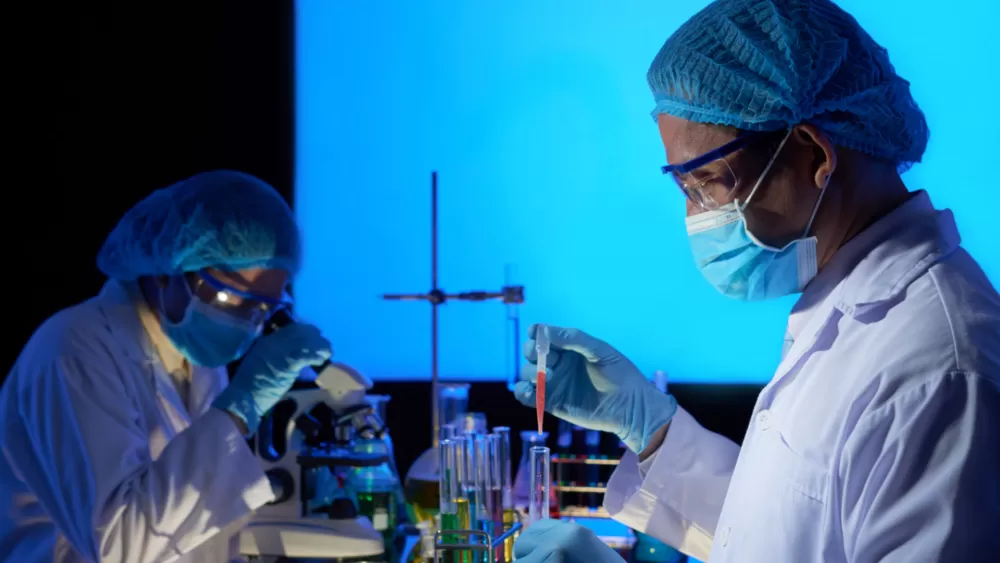
The health camp, a thoughtful effort by the National Service Scheme (NSS) students from St. John's Medical College and Research Institute, took place across various BBMP wards like Koramangala and Ejipura in December. They weren't just doing a quick glance; these were detailed screenings, looking into a range of potential issues.
So, what exactly did they find? Well, it wasn't just one or two things. The list was quite broad, hitting common yet serious conditions. Hypertension, or high blood pressure, was a prevalent issue, alongside diabetes – conditions that really need regular management to prevent severe complications. But beyond that, many were struggling with musculoskeletal problems, which, if you think about their physically demanding jobs, makes a lot of sense, right? Constant lifting, sweeping, and bending can certainly take a toll on the body.
Vision problems were also flagged, which is crucial for safety and efficiency in their line of work. Then there were skin conditions, often an unfortunate byproduct of being exposed to waste and varying weather conditions. And for the women especially, anemia was a significant concern. It really paints a picture of a workforce facing a multitude of health challenges, often exacerbated by their environment and perhaps, a lack of consistent access to healthcare.
It's important to remember that these pourakarmikas often come from vulnerable backgrounds. Many are migrants, some are elderly, and a significant portion are women. They're on the front lines, exposed to hazards daily, and frankly, consistent health check-ups and follow-ups can sometimes feel like a luxury rather than a necessity.
But it's not all grim news, thankfully. The good part about these screenings is that they aren't just about identifying problems. Each worker identified with an ailment was immediately referred to St. John's Medical College and Hospital for further consultation and necessary treatment. This follow-up is absolutely critical, transforming a diagnosis into a pathway for care. Beyond that, the students also took the time to spread awareness about hygiene, nutrition, and disease prevention – simple yet powerful tools for long-term health.
This initiative truly underscores the importance of proactive health interventions for our essential workers. It's a powerful reminder that their well-being directly impacts the health and cleanliness of our entire city. Let's hope this is just the beginning of sustained efforts to ensure our pourakarmikas receive the care and attention they so rightfully deserve.
- India
- Health
- News
- HealthNews
- PublicHealthInitiative
- DsRameshCommissioner
- MahadevapuraKrPuramHealthCamp
- KarnatakaCivicNews
- HeartRelatedIssuesScreening
- CivicWorkersHealthCheckUp
- BengaluruHealthScreening
- PourakarmikasHealth
- SanitationWorkersIllness
- StJohnSMedicalCollege
- WorkerHealthIssues
- HypertensionDiabetesWorkers
- VulnerableWorkersHealthcare
- BengaluruUrbanHealth
Editorial note: Nishadil may use AI assistance for news drafting and formatting. Readers can report issues from this page, and material corrections are reviewed under our editorial standards.