
The Secret Life of Trees: How Forests Foster Family
- Nishadil
- April 21, 2026
- 0 Comments
- 3 minutes read
- 31 Views
- Save
- Follow Topic
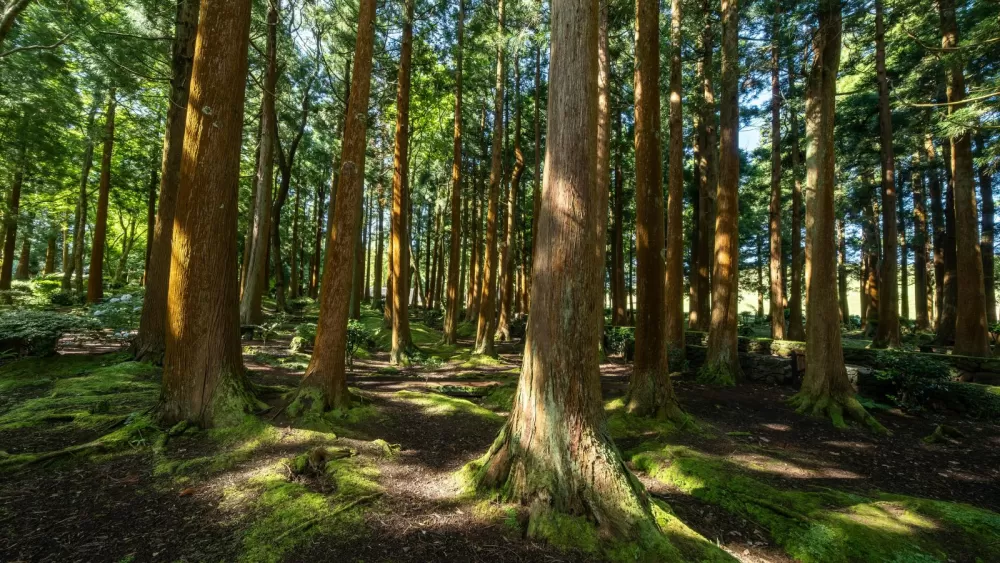
Beyond Competition: Trees Can Recognize Their Offspring and Nurture Them
Discover the hidden world of trees, where they don't just compete, but actively recognize their kin and share resources to help their offspring thrive. It's a natural marvel!
You know, for a long time, we humans tended to view trees as these solitary, competitive beings. We pictured them reaching for the sun, battling each other for light and water, a kind of silent, slow-motion struggle for survival. But what if I told you that beneath the forest floor, in a world we rarely see, something far more intricate and even tender is happening?
It turns out, trees aren't just individuals. They're part of a vast, interconnected family, and here’s the kicker: they can actually recognize their own kin. Yes, you read that right! Imagine a majestic old oak, its roots spreading far and wide. This 'mother tree' isn't just sending out roots willy-nilly; she's got a knack for distinguishing her own saplings from unrelated trees growing nearby. It's truly a marvel of natural intelligence.
Scientists, particularly trailblazers like Suzanne Simard from the University of British Columbia, have spent years uncovering this hidden world. What they’ve discovered is nothing short of revolutionary. Through an incredible underground network of fungi – often dubbed the "Wood Wide Web" – trees communicate. They exchange nutrients, water, and even warning signals. But the kinship recognition aspect adds another layer entirely.
How do they do it, you ask? Well, it seems to be all about the roots. When a tree's roots encounter another's, they don't just intertwine blindly. There are chemical signals, tiny exudates, almost like a secret handshake, that allow trees to identify whether the other roots belong to a stranger, a distant cousin, or one of their very own children. When a mother tree recognizes her offspring, her behavior shifts dramatically.
Instead of competing fiercely, she might actually reduce her own root growth in the vicinity of her saplings, giving them more space to flourish. Even more astonishing, she might actively share resources. Think about it: sending vital carbon and nutrients directly to her struggling young ones, essentially nurturing them from afar through that incredible fungal network. It's a testament to a deep, biological bond that goes far beyond what we ever imagined.
This isn't just some isolated finding in trees either. Similar fascinating behaviors have been observed in other plants. For instance, studies on sea rocket plants showed that when siblings were planted close together, they exhibited less competitive root growth compared to when unrelated plants were grouped. It seems this family-first strategy might be more widespread in the plant kingdom than we initially believed.
So, the next time you walk through a forest, take a moment to pause and truly look. That towering tree isn't just an individual; it's potentially a parent, part of a sprawling family network, actively supporting its progeny. This discovery reshapes our understanding of plant intelligence, cooperation, and the profound, silent connections that bind life together in ways we are only just beginning to comprehend. It truly makes you see the world, and especially the trees, in a whole new, wondrous light.
Editorial note: Nishadil may use AI assistance for news drafting and formatting. Readers can report issues from this page, and material corrections are reviewed under our editorial standards.


