
The Luminescent Future: How Bioengineered Plants Could Light Up Our Cities
- Nishadil
- April 05, 2026
- 0 Comments
- 5 minutes read
- 17 Views
- Save
- Follow Topic
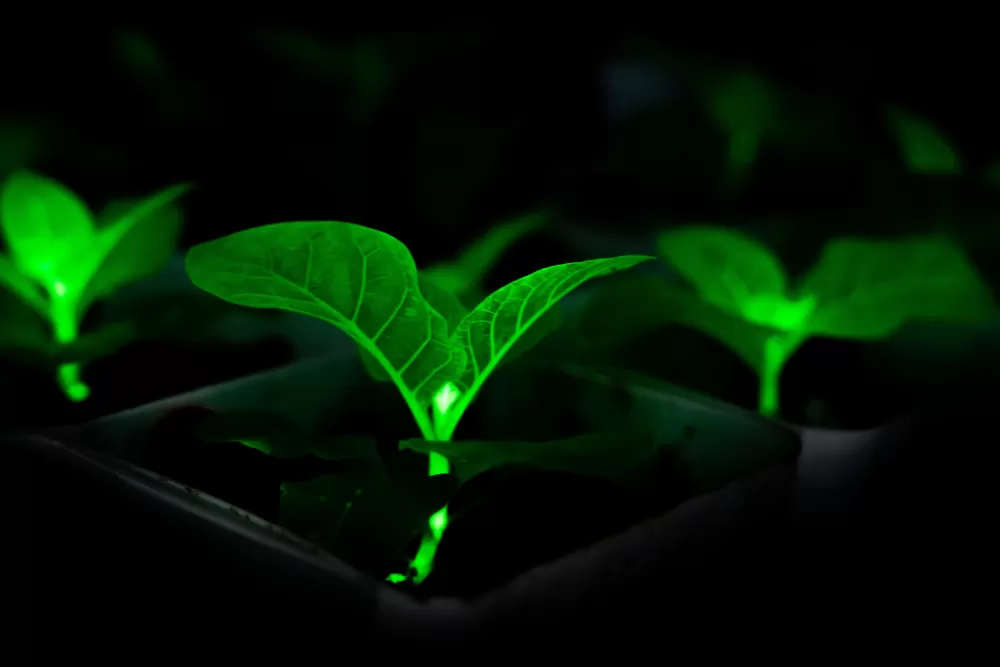
Beyond Streetlights: The Dazzling Promise of Glowing Plants
Imagine a world where our streets and parks are softly illuminated not by harsh electric lights, but by the gentle glow of living plants. Scientists are making incredible strides in bioengineering plants to produce their own light, potentially revolutionizing urban lighting, energy consumption, and our relationship with nature.
Picture this for a moment: you’re strolling through a city park at dusk, but instead of the usual stark glare from lampposts, your path is gently illuminated by the trees themselves. Their leaves, their branches, perhaps even the flowers, emit a soft, ethereal glow. It sounds like something out of a science fiction film, doesn't it? Well, incredibly, this enchanting vision is steadily moving from the pages of fiction into the realm of very real, very exciting scientific endeavor.
For years, the idea of living, bioluminescent plants has captured the imagination of researchers and dreamers alike. Now, thanks to some truly remarkable advancements in synthetic biology and bioengineering, companies and scientists are on the cusp of making these glowing flora a tangible reality. They’re not just creating a novelty, mind you; they're aiming for a profound transformation in how we light our urban spaces, with far-reaching implications for energy, aesthetics, and even our planet's delicate ecosystems.
So, how exactly does one teach a plant to glow? It's pretty wild to think about, but the secret lies in borrowing a bit of magic from nature itself – specifically, from bioluminescent organisms like certain mushrooms. Researchers are carefully identifying and isolating the specific genes responsible for light production in these fungi. Then, using sophisticated genetic engineering techniques, they're introducing these genes into the DNA of common plants. The goal is to equip these plants with the biochemical machinery to produce their own light, essentially turning them into self-sustaining, organic lamps.
The potential benefits, when you really stop to consider them, are quite staggering. Foremost among them is the prospect of significantly reducing our reliance on traditional electric lighting. Think of the colossal energy savings if even a fraction of our streetlights, public park illumination, or even indoor decorative lighting could be replaced by living, breathing, glowing plants. Beyond just energy, there's the environmental impact: less electricity generation often means fewer greenhouse gas emissions, and a reduction in what’s known as "light pollution" – that ubiquitous skyglow that washes out our view of the stars and disrupts nocturnal wildlife.
Of course, it's not all fairy dust and glowing petals just yet. This is cutting-edge science, and there are formidable challenges to overcome. Current glowing plants, while undeniably beautiful and impressive, often produce a light that is relatively dim, more akin to a faint nightlight than a powerful streetlight. Researchers are tirelessly working to amplify this luminescence, to make it brighter, more sustained, and efficient. There are also questions of public acceptance, regulatory frameworks, and the long-term ecological impact of introducing genetically modified organisms into the environment, even if they are just charming, glowing plants.
But despite these hurdles, the vision remains incredibly compelling. Imagine cities transformed, not just in terms of energy efficiency, but aesthetically too. Softly glowing avenues, parks that shimmer with natural light, even houseplants that gently illuminate a room. It could foster a deeper, more organic connection between urban dwellers and the natural world, blurring the lines between technology and biology in the most beautiful way. This isn't merely about creating a new light source; it's about reimagining our future, cultivating sustainable environments, and perhaps, adding a touch of wonder back into our daily lives.
The journey from a faint laboratory glow to widespread urban illumination is undoubtedly a long one. Yet, with every successful experiment, every brighter leaf, we inch closer to a future where the plants around us aren't just green, but truly glow with the promise of a more sustainable and utterly magical world. It's a future that feels lifted straight from a beloved fantasy novel, but one that science is working diligently to bring to brilliant life.
Editorial note: Nishadil may use AI assistance for news drafting and formatting. Readers can report issues from this page, and material corrections are reviewed under our editorial standards.









