The Enduring Quest for Justice: Bilkis Bano's Fight and the Chilling Proximity of Perpetrators
- Nishadil
- November 17, 2026
- 0 Comments
- 4 minutes read
- 16 Views
- Save
- Follow Topic
Neighbors Turned Convicts: Unpacking the Bilkis Bano Case Through Trial Records
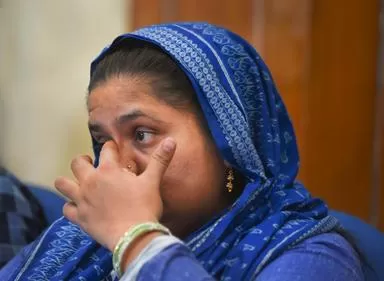
The Bilkis Bano case, a searing chapter in India's legal history, reveals the unsettling truth that some of her attackers were not strangers, but men from her own community, including neighbors. This article delves into the trial records, highlighting the crucial evidence and testimonies that brought these perpetrators to justice, even as her decades-long battle for justice continues to unfold.
The story of Bilkis Bano is, frankly, one that continues to echo in the collective consciousness of India, a stark reminder of unimaginable brutality and, thankfully, an unwavering fight for justice. While the broader narrative of the 2002 Gujarat communal violence often overshadows individual tragedies, Bilkis Bano's case stands as a painful testament to the personal toll. What makes her ordeal even more chilling, perhaps, is the revelation from trial records that some of those ultimately convicted for the horrific crimes against her and her family were not just members of a faceless mob, but individuals known to her, even neighbors.
It's a difficult truth to confront: the perpetrators included people like Bipinchand Kanaiyalal Joshi, a man who shared a village with Bilkis in Randhikpur. Imagine the terror, the betrayal, of realizing that those who inflicted such unspeakable violence were not distant strangers, but faces you might have seen around town, or even exchanged greetings with. The court documents meticulously detail the harrowing testimonies, including that of Salim Adam Ghanchi, who unequivocally identified Joshi as part of the violent throng that fateful day. Joshi’s defense, interestingly, tried to argue his physical inability due to reliance on crutches. Yet, the judge, after careful consideration, found no substantiating evidence for this claim, ensuring justice wasn't derailed by convenient excuses.
Another name emerging from the records is Pradip Ramanlal Modhiya, who ran a hotel within Bilkis Bano’s very locality. The proximity is, quite frankly, unsettling. Prosecution witness Imtiyaz Yusuf Ghanchi provided crucial testimony, identifying Modhiya as one of the individuals pelting stones during the attack. And it wasn’t just Pradip; his deceased brother, Naresh Modhiya, was also identified by a witness as being part of the mob, armed with a knife, adding another layer of horror to the already devastating scene. These aren't just names on a document; they represent the terrifying reality of local complicity in a widespread atrocity.
To truly grasp the gravity of the situation, we must remember the backdrop. It was February 28, 2002, just days after the tragic Godhra train burning had ignited widespread communal violence across Gujarat. Bilkis Bano, a young woman of 21, was five months pregnant. On that horrific day, her life, and the lives of her family, were irrevocably shattered. Seven of her family members, including her precious three-year-old daughter, were brutally murdered. One can only imagine the unfathomable terror, the sheer desperation, she must have felt.
The legal battle, as you might expect, was protracted and arduous. Recognizing the complexities and, frankly, the need for an unbiased hand, the Supreme Court, in December 2003, intervened and entrusted the investigation to the Central Bureau of Investigation (CBI). This was a crucial turning point. Years later, in January 2008, a special CBI court in Mumbai delivered a landmark judgment, convicting 11 men and sentencing them to life imprisonment. The Bombay High Court upheld these convictions in May 2017, seemingly bringing a definitive closure to one chapter of the legal saga.
However, the journey for justice took another unsettling turn in August 2022 when the Gujarat government controversially released all 11 convicts under its remission policy, sparking widespread outrage and concern. This decision, as many saw it, gravely undermined the rule of law and the very spirit of justice. But Bilkis Bano, with an indomitable spirit, refused to let it stand. Her continued fight culminated in a pivotal Supreme Court ruling on January 8, 2024, which unequivocally quashed the remission orders, stating that Gujarat was simply not the appropriate government to have made such a decision. Consequently, just days later, on January 21, 2024, all 11 men surrendered at the Godhra sub-jail, once again behind bars. It was a moment of profound vindication for Bilkis Bano and for all those who believe in the enduring power of justice, no matter how long the wait.
Editorial note: Nishadil may use AI assistance for news drafting and formatting. Readers can report issues from this page, and material corrections are reviewed under our editorial standards.