Tennessee Execution Team Struggles With IV Access in Botched Execution of Christa Pike
- Nishadil
- October 23, 2026
- 0 Comments
- 3 minutes read
- 10 Views
- Save
- Follow Topic
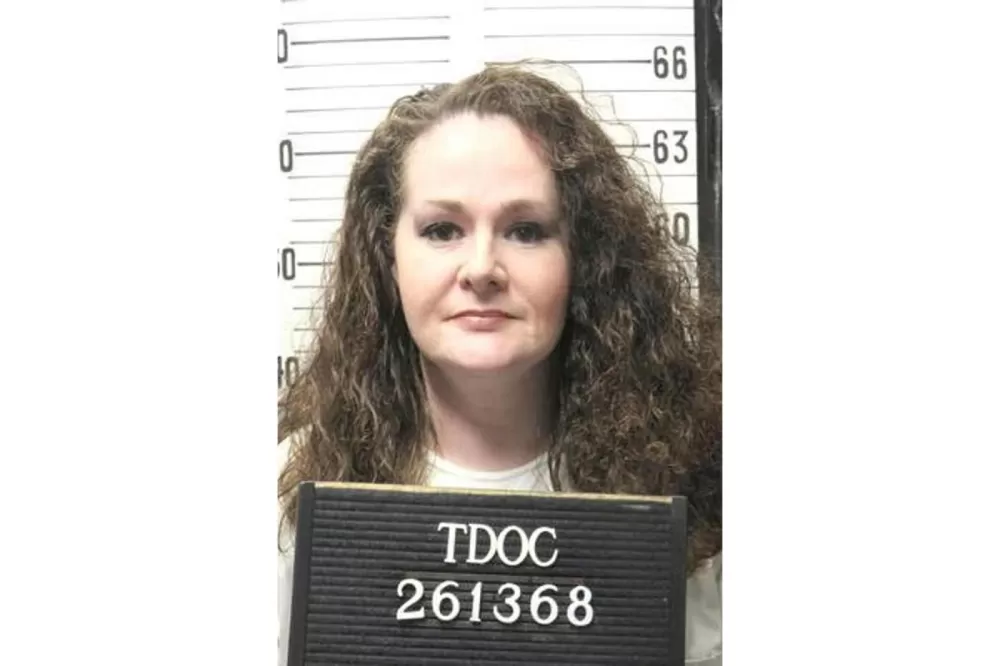
IV Team Used About Ten Needles and Warned a Vein Might Have ‘Blown’ During Christa Pike’s Lethal Injection Attempt
A court filing reveals that Tennessee’s execution staff fought for nearly an hour to place IV lines in Christa Pike, using multiple needles and fearing a ruptured vein before the lethal drug was administered.
When Tennessee tried to put an end to the life of 50‑year‑old death‑row inmate Christa Pike on Sept. 30, the scene inside the execution chamber was far from the sterile, clock‑work routine the public imagines. According to a declaration filed by Pike’s lawyer, the IV team fumbled with more than a dozen needles, probing both arms for a vein that would actually stay open.
Randy Spivey, Pike’s attorney, laid out a grim timeline in the court document. The execution staff kicked off the IV‑placement process at 6:34 p.m., and within six minutes they managed a line in Pike’s right arm. The left arm, however, turned into a protracted ordeal that stretched close to an hour.
“She was wincing and grimacing,” Spivey wrote, describing Pike’s reaction as the team shuffled needles around her left upper arm. At one point a team member whispered that the vein might be “blowing,” a phrase that stuck in the record. Another responded that they couldn’t tell – “it’s either blood or blown, I need to know,” he reportedly muttered.
By the time the clock read 7:07 p.m., the needle they’d just pulled out looked severely bent, prompting a panicked “I think it’s blown” from a staff member. After a few more attempts, the team declared success at 7:13 p.m., taped Pike’s hands down, and hooked her up to a heart monitor.
But the trouble didn’t stop there. About twenty minutes later Pike complained, “I feel like my arm is about to bust. It burns.” She kept talking to her spiritual adviser for ten minutes before an agitated snore escaped her lips, Spivey noted.
What followed was a chaotic stretch of the night. Pike’s breathing grew shallow; she strained, flinched, and moved her head as the pentobarbital infusion continued. When Spivey tried to reach a phone in the witness room, he was shunted on a confusing seven‑minute detour through the facility, adding to the tension.
At 8:22 p.m., Spivey called fellow attorneys, urging them to halt the execution because state protocol does not authorize a third dose of pentobarbital. He then appealed to the deputy attorney general, insisting Pike needed immediate medical attention.
The response was sluggish. An ambulance was reportedly “on the way” at 8:50 p.m., and only at 9:14 p.m. did the vehicle actually arrive at the hospital. Pike survived the two doses of pentobarbital, was placed on a ventilator for several days, and eventually regained consciousness before being returned to prison.
This botched attempt has reignited legal challenges to Tennessee’s lethal‑injection procedures. Kit Thomas, an attorney representing several death‑row inmates, warned that the state’s predictions about “botched executions” are coming true, and that without substantial reform the pattern will continue.
While the legal battles continue, Pike’s case serves as a stark reminder that the mechanics of capital punishment are far from flawless, and that each misstep can turn a state‑sanctioned execution into a harrowing, very public medical nightmare.
Editorial note: Nishadil may use AI assistance for news drafting and formatting. Readers can report issues from this page, and material corrections are reviewed under our editorial standards.