SpaceX Says a Tesla Merger Would Still Need Elon Musk’s Green Light
- Nishadil
- October 23, 2026
- 0 Comments
- 3 minutes read
- 12 Views
- Save
- Follow Topic
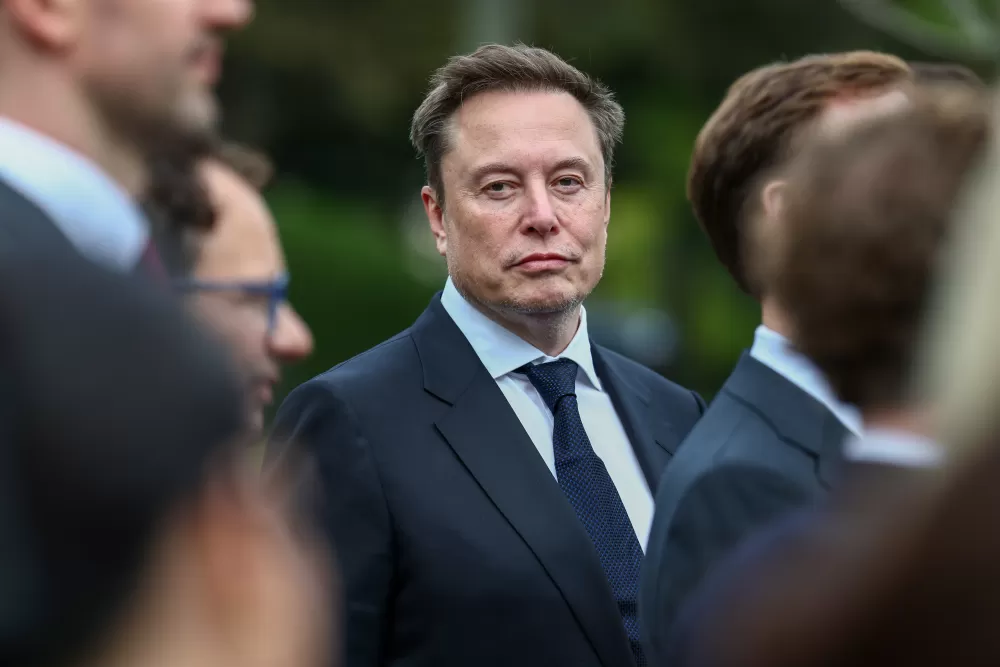
SpaceX confirms any tie‑up with Tesla hinges on Musk’s approval despite his self‑recusal
SpaceX filed that a potential merger with Tesla requires the nod of controlling shareholder Elon Musk, who has publicly called the deal a ‘good idea’ but stepped back from negotiations.
On Thursday SpaceX filed a regulatory note that any future combination with Tesla would have to clear the hurdle of its controlling shareholder – Elon Musk. Even though Musk has officially recused himself from the back‑and‑forth between the two companies, the filing makes it clear his blessing is still essential.
Just a day earlier, the billionaire CEO – who also tops the world’s richest‑person list – hinted on social media that a SpaceX‑Tesla union would be “a good idea.” He added that both firms have set up special committees to explore the notion, a standard move when two massive entities consider joining forces.
In the filing, SpaceX wrote, “No determination by our special committee has been made regarding any potential combination, and any potential combination would be subject to further approval by our special committee, our board of directors and our controlling shareholder.” In plain English, Musk still holds the final say.
Wall Street analysts have been buzzing for months, treating the merger as a question of when rather than if. The big disagreement? How much Tesla shareholders would walk away with. Some reckon the deal could be worth up to $3.5 trillion, while others warn that the valuation could shift dramatically once Musk’s comments enter the public record.
There’s also a practical side to the discussion. Combining the two firms could simplify decision‑making – right now each company needs separate board approvals, separate shareholder votes, and separate regulatory filings. A merged entity could, in theory, shuffle capital, engineering talent and launch infrastructure more fluidly, especially as both are racing to embed artificial‑intelligence capabilities across their product lines.
But the process isn’t without its headaches. One insider, speaking on condition of anonymity, told Reuters the disclosure created a “mess,” because it raises the question of whether Tesla’s minority shareholders will get a fair shake when Musk already controls a fifth of Tesla and holds voting power at SpaceX.
Financially, both companies are already feeling pressure. Tesla recently trimmed its annual capital‑expenditure outlook to roughly $20 billion, down from more than $25 billion a few months ago. SpaceX, for its part, is projecting $35‑$40 billion in capex for the fourth quarter, reflecting its massive contracts with the U.S. military, intelligence agencies and NASA.
Geopolitically, a merger would also knit together two very different international footprints. Tesla’s massive Shanghai factory remains a key production hub, while SpaceX is a prime contractor for U.S. defense and space agencies – a blend that could raise regulatory eyebrows on both sides of the Atlantic.
In the market, the news sent SpaceX shares up about 1 % in after‑hours trading, while Tesla’s stock slipped only modestly. Investors seem to be waiting for the next move – will Musk formally endorse the tie‑up, or will he keep his distance and let the committees run the show?
Only time will tell whether the two Musk‑led giants will finally shake hands or stay in parallel lanes. For now, the controlling shareholder’s approval remains the final gatekeeper.
Editorial note: Nishadil may use AI assistance for news drafting and formatting. Readers can report issues from this page, and material corrections are reviewed under our editorial standards.