Singapore's Leadership Paycheck: Why the Ongoing Review Matters
- Nishadil
- January 13, 2026
- 0 Comments
- 3 minutes read
- 79 Views
- Save
- Follow Topic
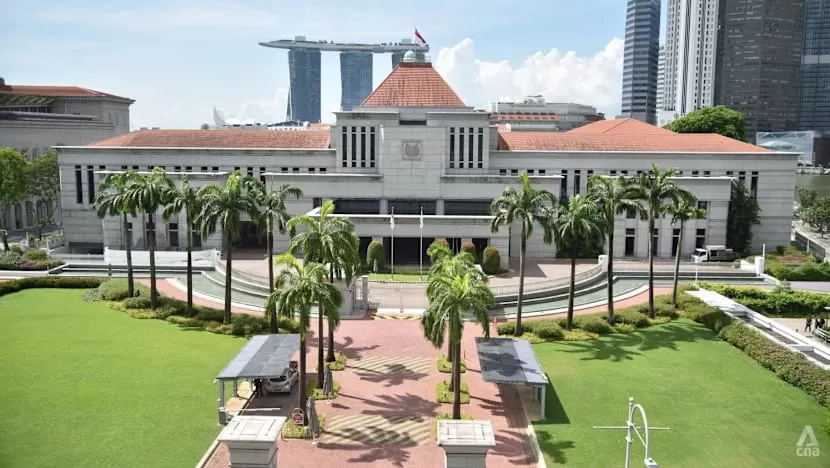
A Closer Look: Singapore Initiates Review of Political Office Holders' Salaries
Singapore is once again undertaking a review of salaries for its political office holders, a periodic exercise crucial for ensuring top talent in public service while balancing public expectations and economic realities. This isn't just about numbers; it's about the very future of governance.
So, here's something that often sparks a fair bit of conversation: the salaries of our political leaders. Singapore is embarking on another one of its regular reviews for the remuneration of political office holders. Now, this isn't just a simple tweak of numbers; it's a deep dive into what it truly takes to attract and keep the brightest minds dedicated to public service, all while navigating the intricate expectations of the populace and the ever-shifting economic landscape.
It's an interesting balancing act, isn't it? On one hand, the argument is always made that competitive salaries are absolutely essential to draw in individuals who could otherwise command significantly higher pay in the private sector. Think about it: we want leaders who are not only competent and principled but also visionary and effective. If the pay scale falls too far behind, the worry is that the pool of potential candidates shrinks, leaving us with less than optimal choices for crucial national roles. After all, nobody wants to compromise on the quality of leadership guiding a nation, right?
However, and this is where it gets tricky, there's also the very real and understandable public sentiment. Many taxpayers, quite rightly, question the necessity of high salaries for public servants, seeing it as a contradiction to the ethos of service and sacrifice. It’s a delicate tightrope walk for any government – ensuring that remuneration is competitive enough to attract top-tier talent, but not so extravagant that it alienates the very citizens these leaders are sworn to serve. It really boils down to transparency and a clear justification of the underlying principles.
Typically, these reviews consider several key factors. We're talking about benchmarks against private sector salaries for similar levels of responsibility, the overall economic climate, and, yes, even public feedback. The goal isn't just to match figures but to establish a fair and sustainable framework that aligns with Singapore's unique governance philosophy – one that prides itself on meritocracy, incorruptibility, and long-term planning. It's about securing capable hands for the future, hands that will steer the country through whatever challenges lie ahead.
The outcomes of such reviews are never just about the monetary value; they resonate far beyond the pay slip. They signal the government's commitment to good governance, its understanding of economic realities, and its responsiveness to public discourse. Ultimately, this ongoing process is a vital component in sustaining the high standards of leadership and administration that Singapore has come to be known for, ensuring that the country remains in capable hands for generations to come. It’s a constant re-evaluation, a check-in with our values and aspirations as a nation.
- India
- Pakistan
- Business
- News
- BusinessNews
- SaudiArabia
- Singapore
- China
- Israel
- Myanmar
- NorthKorea
- Taiwan
- Japan
- SriLanka
- SouthKorea
- Bhutan
- Iran
- Qatar
- Georgia
- Iraq
- Malaysia
- Macau
- Turkey
- Indonesia
- Yemen
- Jordan
- Maldives
- Romania
- TimorLeste
- HongKong
- Syria
- Afghanistan
- Governance
- Kuwait
- Cyprus
- Kazakhstan
- PublicAccountability
- UnitedArabEmirates
- Lebanon
- Kyrgyzstan
- Armenia
- Azerbaijan
- Uzbekistan
- Turkmenistan
- Bahrain
- Tajikistan
- Nepal
- PublicService
- Bangladesh
- Thailand
- Mongolia
- Brunei
- Philippines
- Laos
- Vietnam
- Cambodia
- TalentAttraction
- PoliticalSalaries
- SalaryReview
- LeadershipCompensation
- EconomicBenchmarks
Editorial note: Nishadil may use AI assistance for news drafting and formatting. Readers can report issues from this page, and material corrections are reviewed under our editorial standards.