Aleppo's Shifting Sands: Syrian Government Reasserts Control Amidst Renewed Conflict
- Nishadil
- January 13, 2026
- 0 Comments
- 3 minutes read
- 53 Views
- Save
- Follow Topic
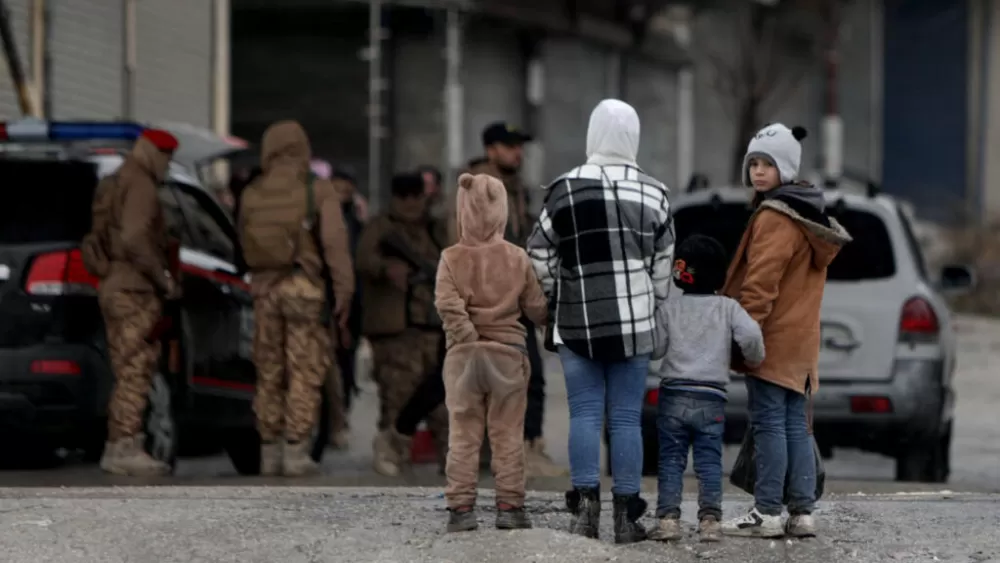
Syrian Government Forces Seize Strategic Aleppo Districts After Intense Clashes with Kurdish Fighters
Despite a recent de-escalation agreement, Syrian government forces have moved into key neighborhoods in Aleppo, previously held by Kurdish security forces, following a new wave of deadly fighting that underscores the city's volatile dynamics.
Aleppo, a city that has endured far too much strife, finds itself once again at the center of a fresh wave of conflict. Syrian government forces have reportedly extended their control into several strategic neighborhoods, including the pivotal Bustan al-Basha, following intense clashes with local Kurdish security forces, known as the Asayish. It's a development that, sadly, feels all too familiar in Syria, reminding us just how fragile peace remains.
The news broke after reports of fierce fighting erupted earlier this week, leaving a trail of destruction and, tragically, casualties. What makes this particular turn of events especially disheartening is that these clashes unfolded mere days after a supposed de-escalation agreement had been reached. Mediated by Russia, that accord was meant to see Kurdish forces gradually hand over their positions to the Syrian army, signaling a move towards greater stability. Instead, the agreement appears to have crumbled under the weight of underlying tensions, paving the way for renewed confrontation.
For years, Aleppo, once Syria's bustling commercial heart, has been a mosaic of control. While the majority of the city returned to government hands back in 2016 after a brutal siege, pockets of Kurdish-held areas, particularly in neighborhoods like Sheikh Khodr, Helok, and Ba'aedeen, remained. These areas offered a unique, if precarious, sense of autonomy for the local population. The recent government offensive, therefore, represents a clear effort to consolidate full control over the entirety of the city, a long-held objective for Damascus.
The human cost, as always, is devastating. While official figures can be hard to verify, reports from groups like the Syrian Observatory for Human Rights (SOHR) suggest a grim tally, with at least 15 combatants from both sides losing their lives. The SOHR also reported civilian casualties from government shelling, though Damascus has firmly denied targeting non-combatants. Behind the headlines, one can only imagine the fear and disruption forced upon families who had perhaps dared to hope for a lasting calm.
Adding another layer of complexity to an already convoluted situation, the fighting reportedly took place dangerously close to frontlines held by Turkish-backed rebel factions. This proximity serves as a stark reminder of the intricate web of alliances and antagonisms that define the Syrian conflict. Any escalation in one area risks a ripple effect, potentially igniting further flashpoints across the region.
In essence, what we're witnessing in Aleppo is another chapter in Syria's prolonged struggle for power and territorial integrity. The breakdown of a seemingly promising agreement, the return of heavy fighting, and the inevitable human toll underscore the immense challenges that lie ahead for a country yearning for genuine, lasting peace. For now, the sounds of conflict continue to echo through Aleppo's ancient streets, a somber testament to a peace that remains elusive.
- India
- Pakistan
- News
- SaudiArabia
- Crime
- Israel
- CrimeNews
- MiddleEast
- Iran
- Qatar
- Georgia
- Iraq
- Turkey
- Yemen
- Jordan
- Syria
- Afghanistan
- Kuwait
- Conflict
- Cyprus
- Sudan
- Kazakhstan
- UnitedArabEmirates
- Egypt
- Lebanon
- Kyrgyzstan
- Djibouti
- Armenia
- Morocco
- Ethiopia
- Azerbaijan
- Somalia
- Algeria
- Oman
- Libya
- Uzbekistan
- Turkmenistan
- Mauritania
- Bahrain
- Tunisia
- Tajikistan
- Clashes
- SyrianGovernmentForces
- SyrianCivilWar
- TerritorialControl
- Aleppo
- KurdishFighters
- Saa
- Asayish
- Kurds
- BustanAlBasha
- DeEscalationAgreement
- RussiaMediation
Editorial note: Nishadil may use AI assistance for news drafting and formatting. Readers can report issues from this page, and material corrections are reviewed under our editorial standards.