Sen. Dick Durbin’s Dream Act: A Legacy Left Behind as He Retires
- Nishadil
- October 24, 2026
- 0 Comments
- 3 minutes read
- 5 Views
- Save
- Follow Topic
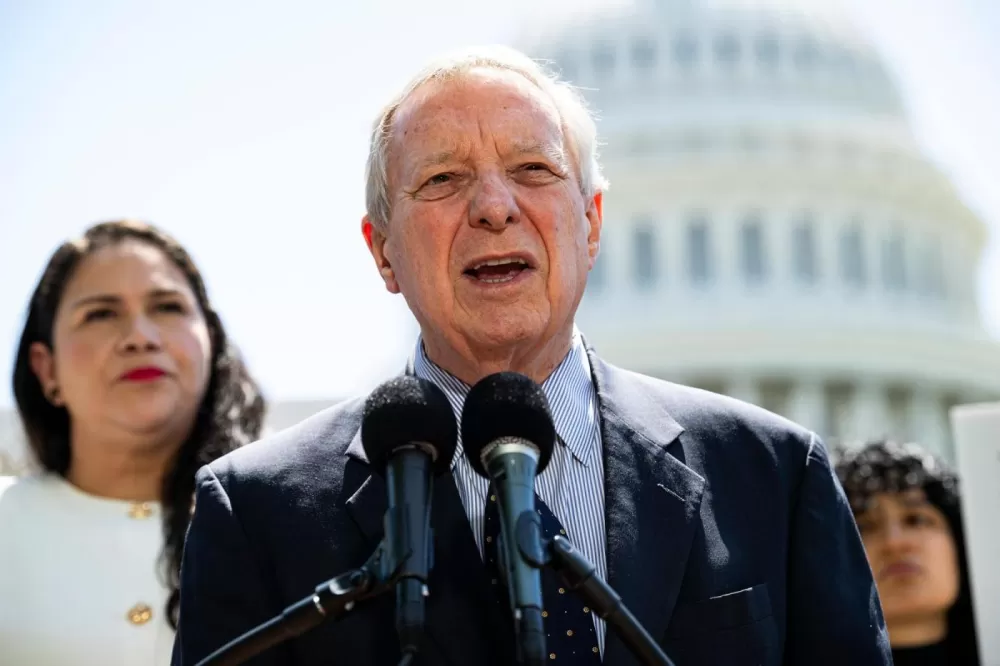
He’s retiring from the Senate. What will happen to his ‘dream’?
After 44 years in Congress, Illinois Democrat Dick Durbin bows out, leaving his decades‑long push for the DREAM Act unresolved and sparking questions about the bill’s future.
When Richard J. Durbin first floated the idea of a DREAM Act, the world looked very different – pagers were still a thing, George W. Bush was president, and most of his current interns weren’t even born.
Fast forward 25 years and the legislation remains stubbornly on the shelf. Now, with the Illinois senator set to retire in January after three decades in the Senate and 44 years on Capitol Hill, the question looms larger than ever: will his signature immigration proposal ever become law?
Durbin, 81, has spent his career championing a pathway to citizenship for the roughly 2.5 million “Dreamers” – young people brought to the United States as children without legal status. He’s re‑introduced the bill in every Congress since 2001, often standing alone on a nearly empty Senate floor, clutching photos of doctors, teachers and small‑business owners who would benefit.
“To leave here without this being a law finalized to protect these young people … is painful, really painful. I don’t want them to feel like I’m abandoning them,” Durbin told reporters last month, his voice raw with the weight of unfinished business.
The Dream Act’s fate has been tangled with the nation’s shifting immigration landscape. In 2017, President Donald Trump rolled out a “zero‑tolerance” policy that split families at the border and tried to terminate DACA – the temporary protection Obama had granted Dreamers when Congress stalled. Durbin recalled a brief lunch with Trump after the inauguration, where the president brushed off the DREAM Act, promising instead to “take care of those kids.” The promise, of course, never materialized.
Durbin’s personal connection to the issue is more than legislative. He often keeps a framed naturalization certificate of his mother, an immigrant from Lithuania who arrived as a two‑year‑old. “I’ve left that as a reminder of who I am,” he said, pausing in his Capitol office, a glance that made the political struggle feel intimate.
Even bipartisan attempts have stumbled. The bill missed a procedural vote in 2007 by just eight votes (52‑44). In 2010, when Democrats controlled both chambers, the Senate fell five votes short. The most hopeful moment came in 2013 with the “Gang of Eight,” a cross‑party coalition that drafted a sweeping immigration package. It cleared the Senate but died in the House, and the coalition has since scattered: Marco Rubio now serves as secretary of state, Jeff Flake left office in 2018, John McCain passed away in 2018, Bob Menendez resigned after a bribery conviction, and longtime friend Lindsey Graham died unexpectedly this year.
Only Senate Minority Leader Chuck Schumer and fellow Democrat Michael Bennet remain from that original group. Bennet, reflecting on the possibility of reviving a “2013‑style gang,” admits it would be a stretch in today’s hyper‑partisan Senate, but adds, “hope springs eternal.”
As Durbin prepares to step down, he hints at a quieter next chapter – a few university offers and perhaps a chance to keep fighting for immigration reform outside the halls of Congress. Whether the DREAM Act finally sees the light of day may depend on the next generation of lawmakers, but the passion that drove Durbin for a quarter of a century will linger in the stories he told, the faces he displayed, and the promise that one day, those children who were “in the back seat of the car” will get a chance to steer their own futures.
Editorial note: Nishadil may use AI assistance for news drafting and formatting. Readers can report issues from this page, and material corrections are reviewed under our editorial standards.