Minnesota officials claim Trump administration halted evidence sharing in Good and Pretti shootings
- Nishadil
- October 23, 2026
- 0 Comments
- 3 minutes read
- 7 Views
- Save
- Follow Topic
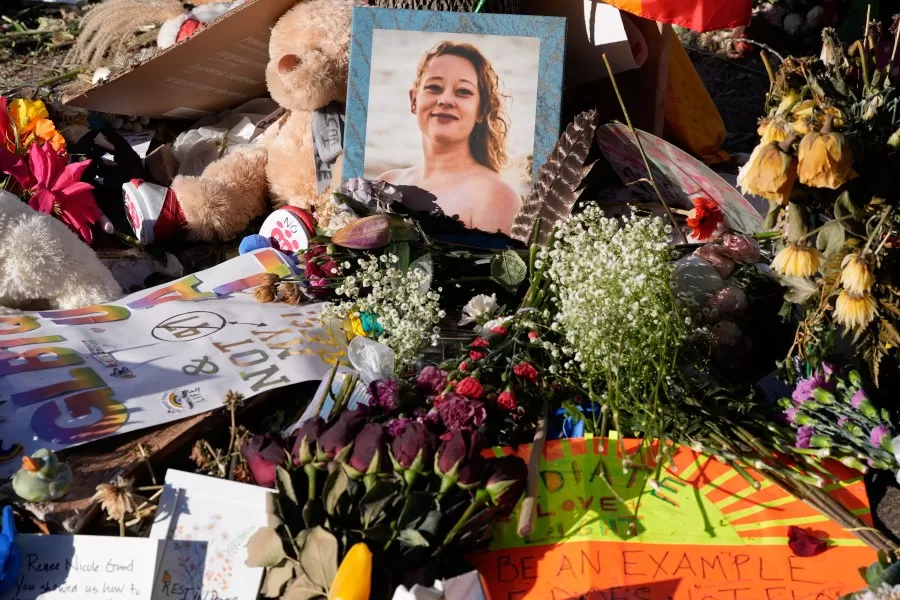
State prosecutors say federal authorities stopped turning over key material in the deaths of Renee Good and Alex Pretti
Minnesota lawyers allege the Trump administration abruptly paused the flow of body‑camera footage, phones and other evidence after promising to provide it in the Good and Pretti cases.
In a twist that’s raising eyebrows in both state and federal circles, Minnesota officials say the Trump administration abruptly stopped sending them the evidence they need to probe two high‑profile shootings.
The two deaths – Renee Good, a mother of three, and Alex Pretti, an intensive‑care nurse – both occurred in Minneapolis last winter during a crackdown on immigration‑related protests. At the time, ICE officers were on the ground, and the resulting videos quickly went viral.
State prosecutors filed a lawsuit in March, essentially demanding access to everything: cell phones, body‑camera recordings, interview tapes – the whole lot. They argued they couldn’t rely on a federal inquiry, especially after the Department of Justice hinted that state prosecutors might lack the jurisdiction to investigate federal officers.
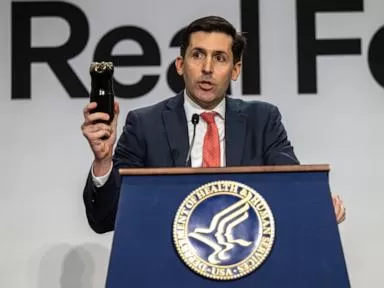
For a few weeks in July, it seemed the federal government was finally cooperating. Hennepin County Attorney Mary Moriarty announced that police‑camera footage and hard‑drive extracts were being turned over, and she said the state expected to receive “all the evidence.”
But that cooperation evaporated fast. In court filings this October, Minnesota lawyers say the flow of material stopped shortly after the July announcement. According to the documents, the U.S. Attorney’s Office in Minnesota sent a terse note on Sept. 10 stating that evidence sharing would be “paused indefinitely in light of challenges with D.C.” No further explanation was offered.
Since then, the state has asked a judge to compel the federal government to hand over the missing items, arguing there’s “no legal authority or rational basis” for the obstruction. The Justice Department, in a reply filed Tuesday, leaned on the Touhy regulations – rules that limit how agencies respond to records requests unless a formal proceeding is underway. Their point? There wasn’t an active court case when Minnesota first asked.
Meanwhile, Minnesota’s own law‑enforcement chief, Drew Evans of the Bureau of Criminal Apprehension, filed a declaration noting that the federal side still holds Good’s clothing, the officer’s phone, and interview recordings that the state has never seen. He also says the government has yet to turn over the recorded statement from the officer who shot Pretti, the firearms used, bullet casings and even a gun taken from Pretti before he was shot.
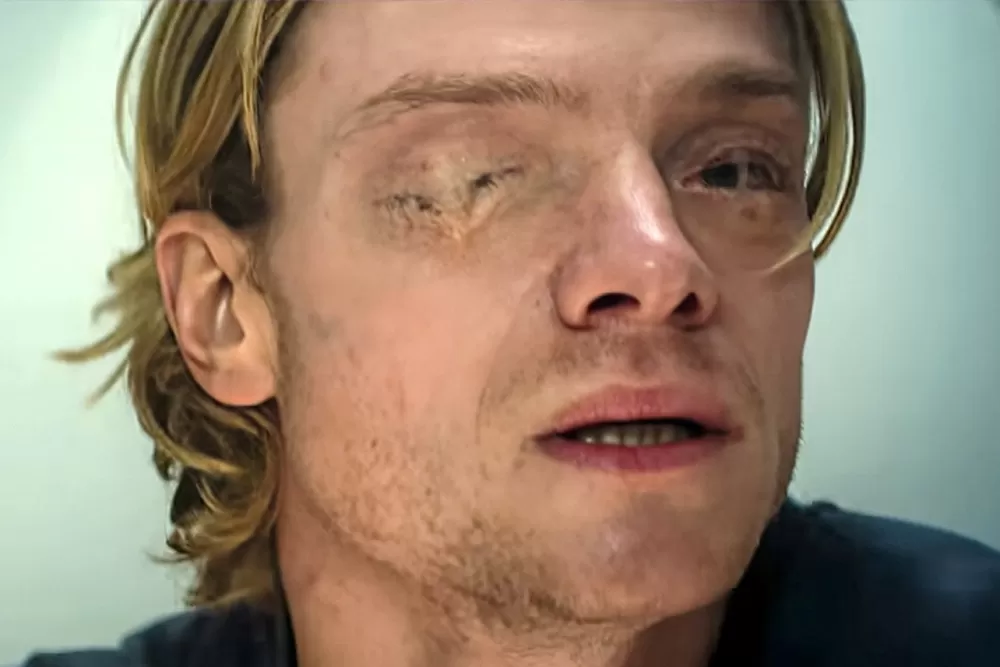
Good’s death was captured on bystander video: she was in the driver’s seat of an SUV, honking, when masked ICE officers ordered her out. An officer fired into the windshield, then stepped closer and shot twice more. Federal officials called it self‑defense. Weeks later, Pretti – also 37 – was shot by a federal officer under similarly murky circumstances, sparking protests that swelled across the country.
To date, no criminal charges have been filed against any of the officers involved. The lack of transparency, however, has kept the controversy alive, fueling arguments that the federal government is more interested in shielding its own than in accountability.
State prosecutors say they’ll keep pressing the courts, hoping a judge will finally order the hand‑over of the missing evidence so a truly independent investigation can move forward.
Editorial note: Nishadil may use AI assistance for news drafting and formatting. Readers can report issues from this page, and material corrections are reviewed under our editorial standards.