Leptospirosis: What the Monsoon Really Means for Your Health
- Nishadil
- October 21, 2026
- 0 Comments
- 4 minutes read
- 9 Views
- Save
- Follow Topic
From Fever to Kidney Trouble – Spotting and Stopping Leptospirosis Early
Monsoon floods can hide a silent killer – leptospirosis. Learn how this water‑borne bacterial infection spreads, its tell‑tale signs, and what you can do to stay safe.
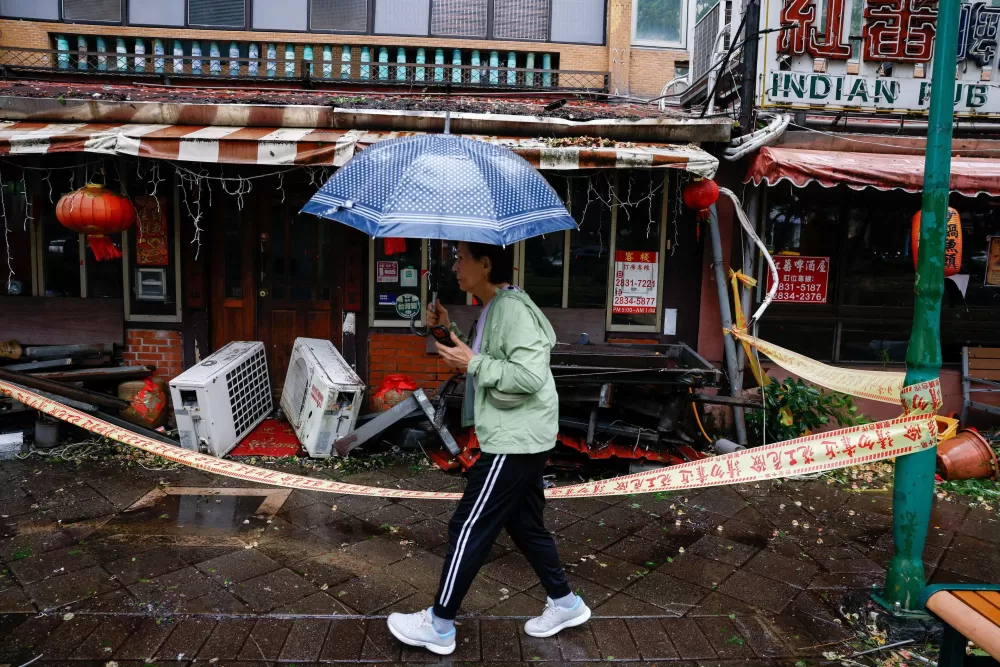
When the rains arrive and streets turn into temporary rivers, most of us brace for mosquito bites and soggy shoes. Few think about a less obvious threat lurking in the puddles – leptospirosis, a bacterial infection that loves wet soil and stagnant water.
At its core, leptospirosis is a zoonotic disease, which simply means it jumps from animals to people. The culprits are tiny, spiral‑shaped bacteria of the genus Leptospira. Rats, cattle, dogs, and even pigs can harbour them in their kidneys and shed the germs in their urine. When that urine mixes with rain‑filled puddles, the bacteria can survive for weeks, sometimes months, waiting for a chance to infect a human.
How does it get into us? Imagine stepping into a flooded lane with a tiny cut on your foot, or splashing water into your eyes while wading through a field. The bacteria slip through broken skin or the delicate mucous membranes of the eyes, nose or mouth. Even drinking untreated water that has been contaminated can be a gateway. In short, any direct contact with contaminated water or soil is enough.
Symptoms are a classic case of “it could be anything”. Early on, you might feel a high‑grade fever, intense muscle aches (especially in the calves), headache, and a touch of nausea. These signs are so similar to dengue, malaria or a simple flu that many people dismiss them as “just another monsoon bug”. The trouble starts when the infection isn’t caught early. The bacteria can drift into vital organs, leading to jaundice, kidney failure, or severe lung bleeding – conditions that are life‑threatening if not treated promptly.
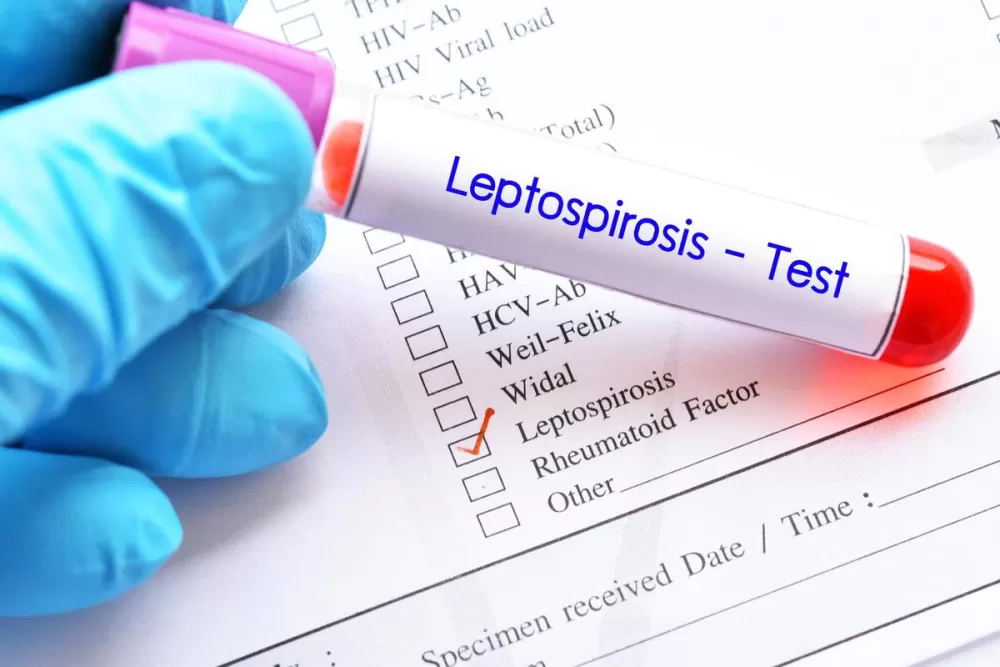
Diagnosis isn’t always straightforward. Doctors usually start with a blood test to look for antibodies or use molecular methods like PCR to detect bacterial DNA. The choice depends on how many days have passed since symptoms began and the lab facilities at hand. Because the clinical picture overlaps with many other febrile illnesses, doctors often run a battery of tests to rule out alternatives.
Fortunately, leptospirosis responds well to antibiotics, especially if treatment begins within the first week. Doxycycline or penicillin‑based regimens are the standard go‑to. Early therapy can shorten the fever, ease muscle pain, and most importantly, protect the kidneys, liver and lungs from irreversible damage.
In India, the numbers are staggering. Estimates suggest anywhere from one hundred thousand to a million cases each year, with the highest concentration in tropical states where monsoon flooding is routine. Kerala, for instance, has reported a sharp rise in cases during the past few rainy seasons, accounting for a sizable chunk of the national tally. The World Health Organization and the CDC together note roughly one million infections and about 60,000 deaths worldwide annually – a reminder that this isn’t a niche problem.
So, what can you do to stay safe? Simple hygiene goes a long way. Avoid wading through floodwater whenever possible; wear waterproof boots and gloves if you must. Ensure any wounds are covered with clean dressings before stepping into water. Drink only boiled or treated water, and keep pets, especially dogs, de‑wormed and vaccinated. Communities can help by improving drainage, ensuring proper sanitation, and educating residents about the risks.
In the end, awareness is your best defence. If you develop a sudden fever, muscle pain, or yellowing of the eyes after exposure to floodwater, seek medical attention without delay. Early detection and treatment can turn a potentially fatal infection into a short, manageable illness.
Editorial note: Nishadil may use AI assistance for news drafting and formatting. Readers can report issues from this page, and material corrections are reviewed under our editorial standards.