Indigenous Design, R&D and Innovation: Fueling India’s Next Industrial Leap
- Nishadil
- October 24, 2026
- 0 Comments
- 3 minutes read
- 11 Views
- Save
- Follow Topic
Women leaders say home‑grown tech, resilient supply chains and sustained R&D will decide India’s industrial future.
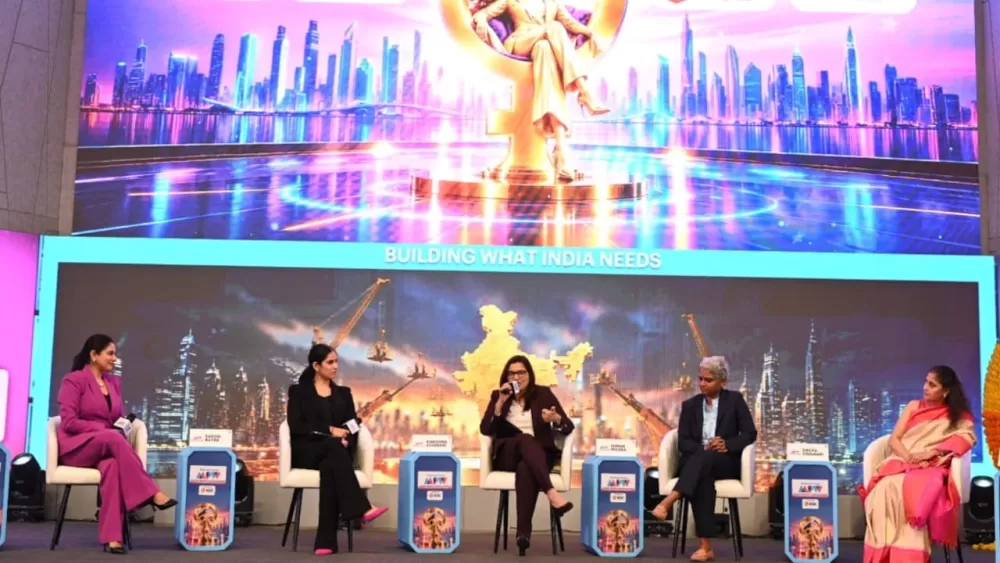
At Business Today’s Most Powerful Women event in Mumbai, senior executives from electric mobility and defence stressed that India’s growth now hinges on owning design, deepening R&D and building supply‑chain resilience—not just assembling parts.
When the panel titled “Building What India Needs” took the stage at the MPW event, the message was crystal clear: India can no longer rely on simply manufacturing what others design. The country has to create, own and continuously improve the technology behind its products if it wants to compete globally.
Among the voices in the room were Suman Mishra, MD and CEO of Mahindra Last Mile Mobility; Shilpa Choudhary, whole‑time director of Zen Technologies; and Rekha Murthy Rangarajan, whole‑time director of Data Patterns. All three women, coming from very different sectors—electric commercial vehicles, defence tech and data‑analytics—converged on the same theme: indigenous innovation is the engine of the next industrial wave.
Shilpa Choudhary, who heads a defence‑technology firm that builds anti‑drone systems, reminded everyone that “unless we own the design, we will never be able to put India on the global front.” She spoke of how Zen Technologies began betting on anti‑drone capabilities back in 2018, well before the market fully realised the need. Her point was simple: anticipate the future, invest early, and you’ll create a home‑grown advantage.
She also highlighted a practical hurdle – the gap between what universities teach and the skills companies need. “We need tighter collaboration with academic institutions, especially in AI, robotics and embedded systems,” she said, adding that a few extra workshops could bridge years of talent shortage.
Rekha Murthy Rangarajan took the discussion toward design versus manufacturing. “We should take pride in what we build, but pride alone isn’t enough,” she warned. For her, Indian firms must aim their products at the global market, not merely satisfy domestic demand. She urged sustained R&D spending, noting how defence electronics can become obsolete in just a handful of years. “Adaptable systems and a strong domestic supply chain are non‑negotiable if we want to stay technologically competitive,” she asserted.
Suman Mishra shifted the focus to electric mobility, noting that economics is the ultimate driver for Indian customers. “The three‑wheelers are already about 50 % electrified,” she said, pointing to lower operating costs as the real catalyst for adoption. Yet she cautioned that the sector can’t forever lean on government subsidies. “When the support tap runs dry, we’ll need differentiated products, tight cost control, economies of scale and continued R&D to survive,” Mishra explained.
Across the three perspectives, a common challenge emerged: turning India’s well‑known manufacturing muscle into genuine technological ownership. Policy support has opened doors, but lasting global competitiveness will demand proactive investment in innovation, talent development and, crucially, resilient supply chains that can weather commodity price swings and geopolitical shocks.
In a nutshell, the next phase of India’s industrial growth will be measured not by the number of factories erected, but by how many original designs, patents and breakthrough solutions emerge from Indian labs and workshops. If the country can pull off that shift, it won’t just be a maker – it will be a true creator for the world.
Editorial note: Nishadil may use AI assistance for news drafting and formatting. Readers can report issues from this page, and material corrections are reviewed under our editorial standards.