India's Energy Sovereignty: Russia Reaffirms Freedom Amidst Trump's Claims
- Nishadil
- February 05, 2026
- 0 Comments
- 3 minutes read
- 44 Views
- Save
- Follow Topic

Russia Dismisses Trump's 'End Crude Imports' Remark, Reiterating India's Right to Buy Oil from Anywhere
Amidst a recent statement by former US President Donald Trump, Russia has firmly reiterated that India is fully entitled to purchase oil from any country it chooses, emphasizing India's energy independence on the global stage.
The global energy landscape, ever-shifting and deeply intertwined with international relations, seems to have had another interesting chapter unfold recently. A bit of a stir was created when former US President Donald Trump made some remarks concerning India's ongoing crude oil imports from Russia. However, Moscow was quick to step in, decisively reaffirming that India's choices in energy procurement are, and always will remain, entirely its own – a strong testament to its sovereignty.
For a nation as vast and rapidly developing as India, ensuring a steady, affordable, and reliable supply of energy isn't just a matter of convenience; it’s an absolute cornerstone for its economic growth and the well-being of its enormous population. India has, for decades, pursued a pragmatic and independent energy strategy. It diligently diversifies its basket of oil suppliers from across the globe, always seeking the most advantageous terms and ensuring resilience against market fluctuations or geopolitical pressures. This isn't merely a tactic; it’s a deeply ingrained principle of its foreign and economic policy.
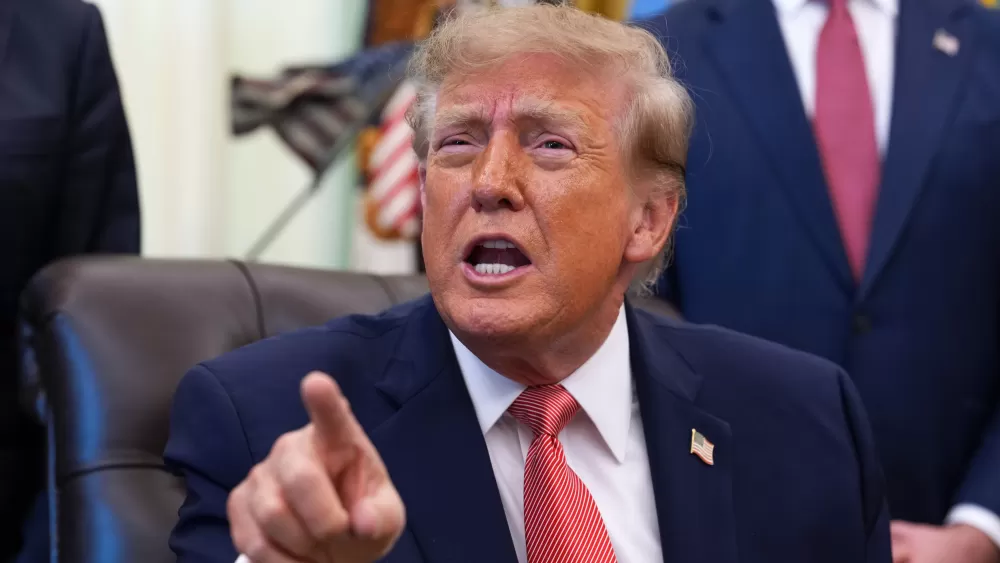
Now, the specific comments that grabbed headlines involved Mr. Trump reportedly suggesting that he would, somehow, "end" India's purchases of Russian crude should he return to the Oval Office. One can certainly ponder the underlying motivations behind such a declaration – perhaps a strategic move to exert further pressure on Russia, or an attempt to realign global energy flows to suit particular interests. Regardless of the intent, the implication was clear: an effort to influence, if not dictate, India's sovereign decisions regarding its energy security.
However, the response from Moscow was both swift and unequivocal. Russian officials, speaking with a notable sense of diplomatic assurance, essentially communicated, "Let's be clear on this." They underscored the undeniable fact that India is an independent, self-governing nation, possessing every right to determine its own energy suppliers. This isn't just about the bilateral trade agreements between India and Russia; it's a broader acknowledgment of India's rightful autonomy on the world stage. Their message resonated with simplicity and conviction: India procures its oil from whomever it deems best, based purely on its national interests, and that is unequivocally its prerogative.
This entire exchange really shines a light on the intricate and often delicate dynamics of global geopolitics and energy security in our current era. Major powers like India are increasingly asserting their national interests, navigating a complex international environment where self-reliance and strategic autonomy are paramount. It also subtly reinforces the enduring and robust energy partnership between India and Russia, a relationship that appears to be built on mutual respect and a clear understanding of each other's sovereign rights.
So, amidst all the international political discourse and occasional pronouncements, the core message holds firm: India's energy future rests squarely in its own capable hands. It will, without a doubt, continue to navigate the intricate labyrinth of global oil markets, with its own national needs and strategic objectives serving as its unwavering guide. External claims, it seems, do little to sway its determined course.
- India
- Business
- News
- BusinessNews
- IndiaOilImports
- RussiaEnergy
- GlobalOilMarkets
- IndiaRussiaEnergyTies
- RussiaIndiaRelations
- CrudeOilTrade
- EnergySovereignty
- GeopoliticsIndia
- RussiaIndiaOilImports
- RussiaOnIndiaCrudeSourcing
- RussianCrudeSuppliesToIndia
- IndiaOilDiversificationNotNew
- DmitryPeskovIndiaOilStatement
- IndiaFreeToBuyOilKremlinSays
- TrumpIndiaClaims
Editorial note: Nishadil may use AI assistance for news drafting and formatting. Readers can report issues from this page, and material corrections are reviewed under our editorial standards.