IMS‑BHU Unveils 7th Paediatric Dialysis & Apheresis Training Module to Boost Child Kidney Care
- Nishadil
- September 20, 2026
- 0 Comments
- 3 minutes read
- 26 Views
- Save
- Follow Topic

7th PD‑TAME Module Launched at Varanasi to Train Doctors in Child Kidney Emergencies
The Institute of Medical Sciences at Banaras Hindu University inaugurated its seventh Paediatric Dialysis & Therapeutic Apheresis training program, aiming to strengthen frontline care for kidney‑related emergencies in children across India.
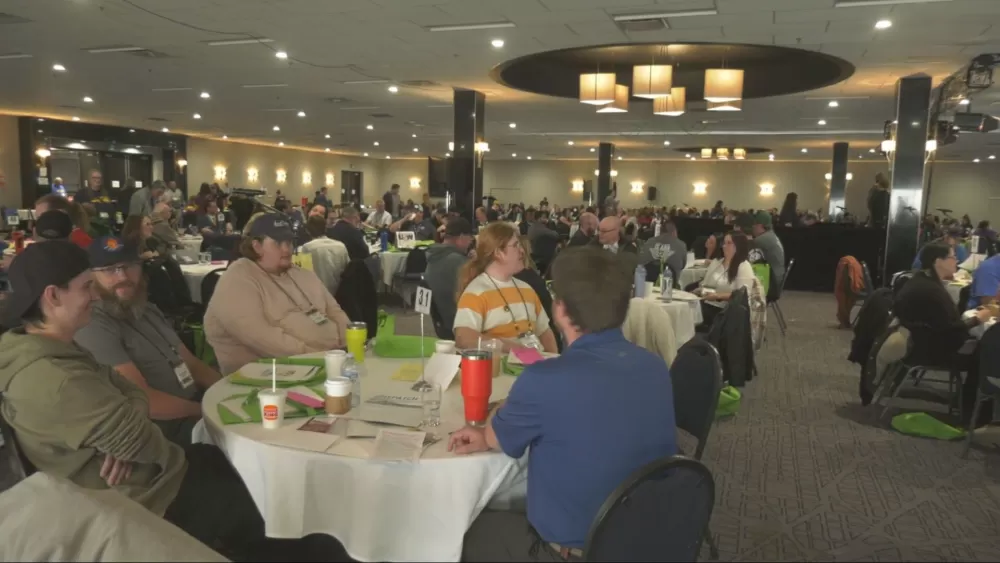
Varanasi – On a crisp Saturday morning, the corridors of Sir Sunderlal Hospital buzzed with a mix of excitement and purpose as IMS‑BHU rolled out the seventh edition of its Paediatric Dialysis & Therapeutic Apheresis Module for Emergency, better known as PD‑TAME. The event gathered paediatricians, nephrologists and critical‑care specialists from every corner of the country, all eager to sharpen skills that could literally save a child’s life.
“We have a real shortage of paediatric nephrologists in India,” said Vice‑Chancellor Prof Ajit Kumar Chaturvedi in his opening remarks. He went on to stress that training programmes like PD‑TAME can create a cascade effect – once a doctor learns the basics, they can pass the knowledge on, turning even modest district hospitals into first‑line defenders against renal crises.
Prof S N Sankhwar, Director of IMS‑BHU, echoed that sentiment, noting that the lack of specialised training has left many children without timely care. “When a child presents with acute kidney injury, every hour counts,” he said, pausing to let the gravity of the situation sink in. “Our hands‑on workshops are designed to turn theory into action.”
The training itself was a blend of lecture, simulation and real‑world practice. Participants rolled up their sleeves for acute peritoneal dialysis, hemodialysis, hemodiafiltration, and therapeutic apheresis drills. They also explored newer tools like automated peritoneal dialysis machines and point‑of‑care ultrasonography for vascular access – all under the watchful eyes of seasoned mentors.
Dr Puneet, Medical Superintendent of Sir Sunderlal Hospital, highlighted the prevalence of kidney injuries among children, especially in remote or underserved regions. “If a doctor at the first point of contact knows how to start peritoneal dialysis, we can often avoid a frantic transfer to a metropolitan centre,” he remarked, underscoring the practical impact of the programme.
Leading the curriculum, Prof O P Misra, Emeritus Professor at Heritage Institute of Medical Sciences, reminded the audience that basic knowledge of haemodialysis and apheresis should be part of every postgraduate paediatrician’s toolkit. “These are life‑saving skills, not luxuries,” he said, his voice steady but urgent.
Adding a community‑focused perspective, Neena Jolly, Trustee of the Adharshila Renal Care Project, pointed out that early detection can prevent a simple warning sign from turning into a complex, irreversible problem. “The first clinician you see can make all the difference,” she said, emphasizing empathy alongside expertise.
Organisers hope that the ripple effect of PD‑TAME will reach far beyond Varanasi. With the backing of the Adharshila Renal Care Project and the Rural India Supporting Trust (RIST), the programme aspires to build a nation‑wide network of first‑responders ready to tackle paediatric renal emergencies head‑on.
As the day wound down, the mood was a mixture of satisfaction and resolve. Delegates exchanged contact details, promising to carry forward what they learned to their own hospitals and clinics. In the words of Prof Abhijeet Saha, Course Director of PD‑TAME, “If we can empower more doctors to manage peritoneal dialysis and haemodialysis at the bedside, we’ll be a step closer to a healthier future for our children.”
Editorial note: Nishadil may use AI assistance for news drafting and formatting. Readers can report issues from this page, and material corrections are reviewed under our editorial standards.