Georgia Farmers Caught Between War and Tariffs
- Nishadil
- October 24, 2026
- 0 Comments
- 3 minutes read
- 6 Views
- Save
- Follow Topic
War on Iran and New Tariffs Are Squeezing Georgia’s Family Farms
U.S. tariffs and the Iran conflict are driving up costs for Georgia’s farmers, pushing many toward financial ruin and threatening the state’s food supply.
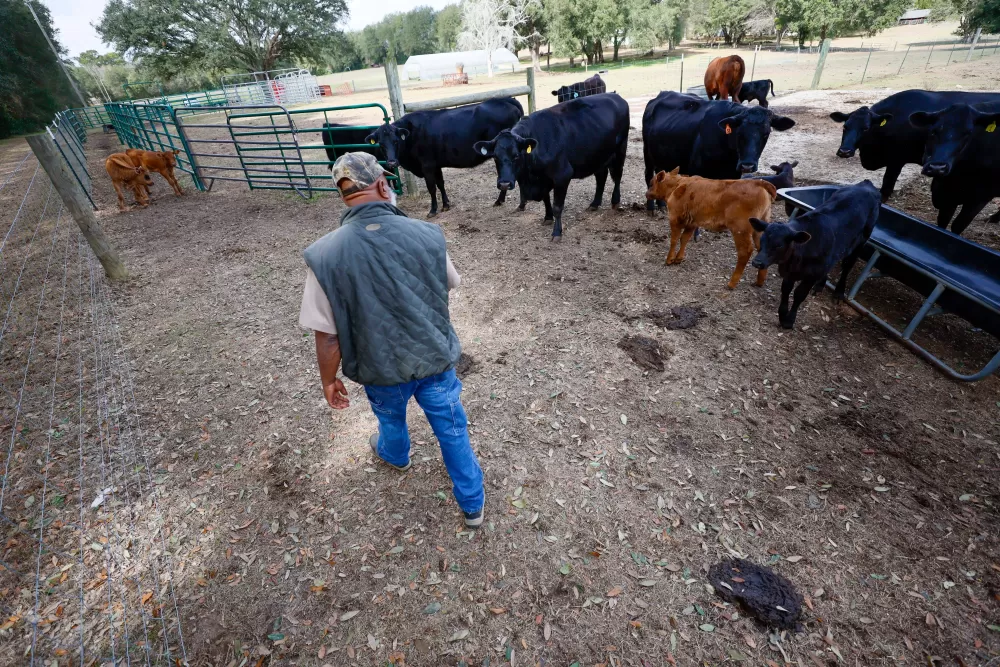
When I climb onto my tractor at dawn, the first thing on my mind is the dirt under the tires and whether the rain will come in time for the soybeans. I don’t think about missiles over the Persian Gulf or a new tariff bill being debated in Washington. Yet those distant events have a way of sneaking into the ledger beside my farm’s expenses.
For the past forty years I wore a different kind of uniform – a U.S. Army brigadier‑general’s. I led soldiers in places where the rules of engagement changed every week. Today I lead a herd of cattle, and I watch my neighbors in northwest Georgia watch their own crops with a growing sense of dread. The weather is fine; the soil is healthy. What’s crushing them is a policy cascade that started far beyond the Appalachian foothills.
The United States’ decision to impose broad tariffs on Iranian imports – and the ripple‑effect of higher freight rates caused by the war in the Middle East – has pushed up the price of everything from diesel to feed grain. A single gallon of diesel that used to cost $3.30 now sits above $4.50, and that extra cost adds up quickly when you’re running a 200‑horse operation. Feed for the herd, fertilizer for the fields, and even the steel for repairing a broken silo have all jumped.
It isn’t a question of bad management or a bad season. It’s a question of a decision made in a Senate committee that ignored the reality of a farm family’s cash flow. The tariffs meant to pressure a foreign regime are now being passed on to the American consumer – and that consumer includes the very farmers who help put food on tables across the country.
One farmer I spoke with told me his debt service ratio has risen from a manageable 60 % to an unsustainable 85 %. He’s forced to dip into his emergency savings, something most of us never imagined we’d need. The result? A growing number of family farms are being sold, often at a loss, to large agribusinesses that can absorb the added costs.
Every farm that disappears is a piece of the nation’s food‑security puzzle that falls out of place. Fewer independent producers mean less competition, higher prices for consumers, and a less resilient supply chain. It’s a domino effect that starts with a tariff and ends at the dinner table.
We need a conversation that links foreign policy with domestic agriculture. Policymakers should consider exemptions or relief for essential farm inputs when sanctions are tightened. And we, as voters, should hold our representatives accountable for the hidden costs of their decisions.
In the end, farmers aren’t asking for a handout; we’re asking for a fair chance to keep feeding America. If we let geopolitics dictate the price of a bushel, we all pay the price.
Editorial note: Nishadil may use AI assistance for news drafting and formatting. Readers can report issues from this page, and material corrections are reviewed under our editorial standards.