From Field to Future: Biotech and Business Models Rethink Our Food System
- Nishadil
- June 23, 2026
- 0 Comments
- 3 minutes read
- 21 Views
- Save
- Follow Topic

How biotech breakthroughs and fresh business ideas could reshape what ends up on our plates
A look at the latest genetic tools, fermentation tricks and innovative business models that promise a greener, healthier, and more equitable food system.
When you think about the next dinner plate, you might picture a grocery aisle or a farm field. Yet behind those familiar sights, a quiet revolution is humming – a blend of gene‑editing scissors, microbes that spit out dairy proteins, and startup playbooks that skip the middleman entirely.
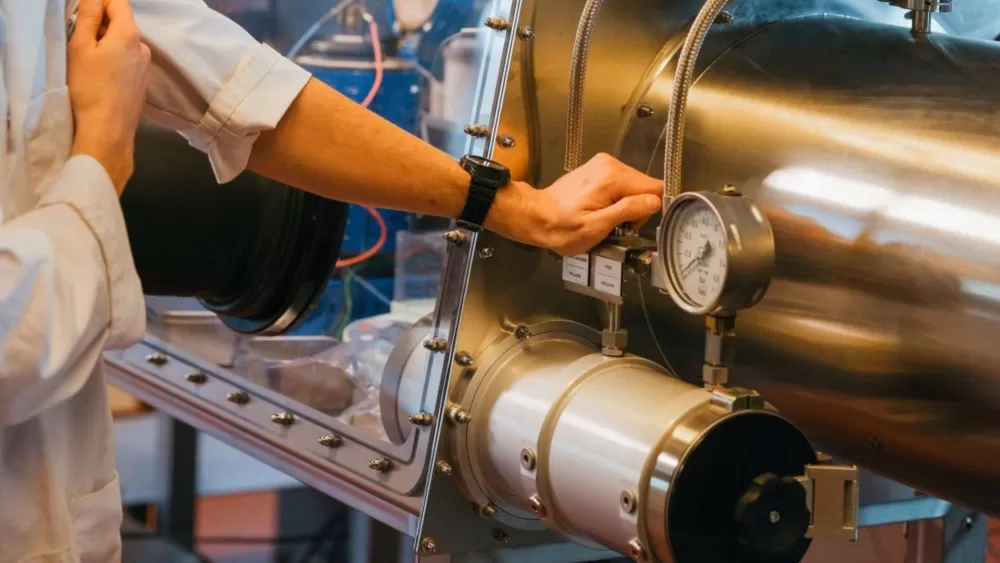
Take precision fermentation, for example. It’s not sci‑fi jargon; it’s the process where engineered yeast or algae turn sugars into the same proteins you find in milk or meat. Companies are already scaling vats that churn out mozzarella‑style curds without a cow in sight. The result? Far fewer greenhouse gases, a sliver of the water footprint, and — if you ask the scientists — a product that can be tweaked for better nutrition.
Then there’s cellular agriculture, the “lab‑grown meat” you’ve seen in the news. By coaxing animal cells to proliferate on a scaffold, producers can create steak‑like textures without the need for feedlots. It sounds wild, but early‑stage pilots are delivering burger patties that look, taste, and even bleed like the real thing. The promise? A meat source that’s far less land‑intensive and free from antibiotics.
All these biotech marvels are only half the story. The way they get to market matters just as much. Traditional food companies often rely on massive distribution networks and shelf‑life extensions. New entrants, however, are embracing direct‑to‑consumer subscriptions, platform cooperatives, and open‑source licensing models that keep profits closer to the growers and innovators.
Consider the rise of “food hubs” that act like farmers’ markets on steroids. They aggregate products from dozens of small‑scale biotech firms, handle logistics, and sell directly to restaurants or consumers via apps. This reduces the layers of markup, cuts food miles, and gives customers a clearer story about where their protein came from.
Of course, challenges linger. Regulatory frameworks struggle to keep up with CRISPR‑edited crops or cultivated meat, and consumer skepticism can be a hard nut to crack. Moreover, there’s the risk that high‑tech food could become another niche for affluent diners, leaving low‑income communities behind.
That’s why many investors are pushing for impact‑focused funding, ensuring that scaling up doesn’t mean scaling out inequality. Initiatives that combine biotech with community‑owned business structures aim to democratize access – think co‑owned fermentation labs that serve local schools or hospitals.
In the end, the future of food might look less like a single‑track assembly line and more like a patchwork of labs, farms, and digital platforms all talking to each other. If the science stays bold and the business models stay inclusive, the plates we set down tomorrow could be greener, healthier, and a lot more interesting.
Editorial note: Nishadil may use AI assistance for news drafting and formatting. Readers can report issues from this page, and material corrections are reviewed under our editorial standards.