First Bioprinted Kidney and Liver Tissue Grown in Space
- Nishadil
- July 13, 2026
- 0 Comments
- 3 minutes read
- 20 Views
- Save
- Follow Topic

Scientists achieve historic organ‑tissue printing aboard the ISS
For the first time ever, researchers have used 3‑D bioprinting on the International Space Station to create functional kidney and liver tissue, opening new frontiers in space medicine and regenerative therapies.
When you think of space, you probably picture rockets, astronauts, maybe a stunning view of Earth. Rarely do you imagine a 3‑D printer humming away, laying down tiny droplets of living cells in micro‑gravity. Yet that’s exactly what happened on the International Space Station earlier this year, when a team of biologists and engineers printed living kidney and liver tissue for the first time outside of Earth’s gravity.
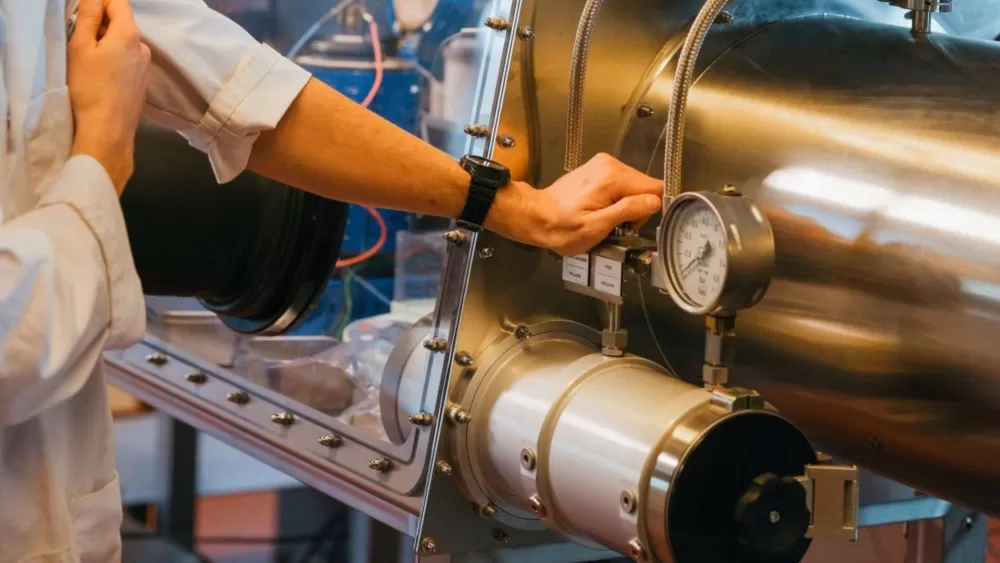
The experiment, part of NASA’s ongoing “Space Bioprinting” program, used a specially‑modified printer that could keep cells suspended in a gel‑like bio‑ink. In the weightless environment, the droplets didn’t settle or clump the way they would on the ground. Instead, they formed delicate, three‑dimensional scaffolds that more closely mimic how real organs develop inside the body.
It sounds like something out of a sci‑fi novel, but the scientists behind the project were very pragmatic. They wanted to see if the unique conditions of space could help solve a stubborn problem on Earth: the limited ability to grow functional tissue that is thick enough to be useful for drug testing or, someday, transplantation.
"Microgravity gives cells a chance to arrange themselves in ways they simply can’t on Earth," explained Dr. Maya Torres, the lead researcher. "We observed better nutrient diffusion and less stress on the cells, which translated into tissue that looked healthier under the microscope."
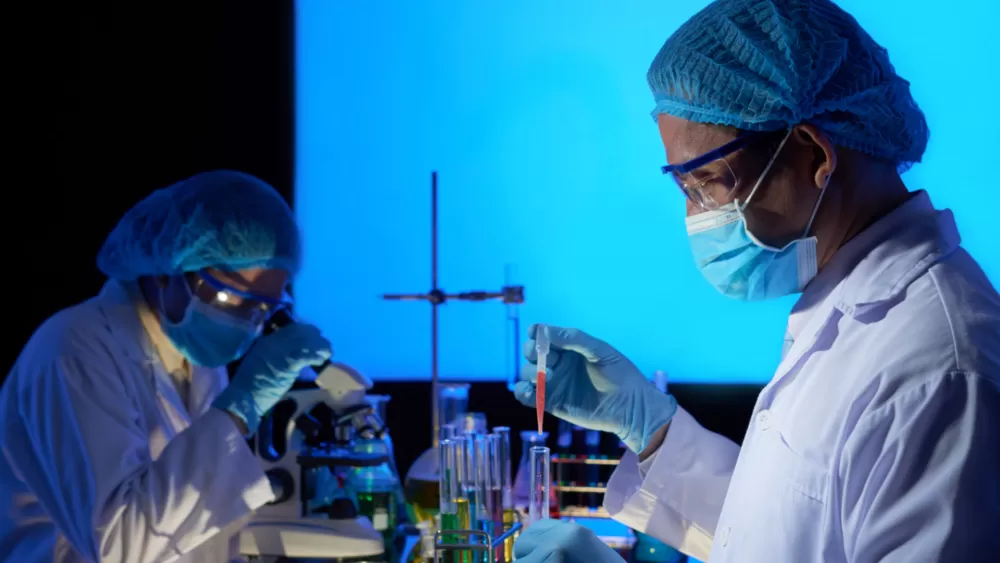
The printed kidney patches showed signs of developing tiny filtration units – the very structures that clean blood in a real kidney. Meanwhile, the liver constructs began to express enzymes that are essential for metabolism. While these are still far from a full organ, they represent a crucial stepping stone.
Back on Earth, the team is already planning follow‑up studies. They’ll compare the space‑grown tissues with identical prints made in a ground‑based lab, tweaking variables like bio‑ink composition and printing speed. The goal? To pinpoint exactly which aspects of microgravity are most beneficial, and then try to replicate those conditions here on the planet.
Beyond the immediate medical implications, the work also feeds a broader curiosity: how does living matter behave when you remove the constant pull of gravity? Answers could inform everything from future long‑duration missions to the design of habitats on the Moon or Mars, where human health will be a constant challenge.
In short, this breakthrough isn’t just about a printer floating in space. It’s about expanding the toolbox of regenerative medicine, and proving that even the most delicate, complex biological processes can be coaxed into existence far from home.
Editorial note: Nishadil may use AI assistance for news drafting and formatting. Readers can report issues from this page, and material corrections are reviewed under our editorial standards.