Federal Jury Rules in Favor of OpenAI in High‑Profile Dispute with Elon Musk
- Nishadil
- May 19, 2026
- 0 Comments
- 3 minutes read
- 21 Views
- Save
- Follow Topic

OpenAI Wins Federal Jury Verdict Over Elon Musk’s Claims
A federal jury has sided with OpenAI, rejecting Elon Musk’s allegations in a bitter legal showdown that could reshape the AI industry’s future.
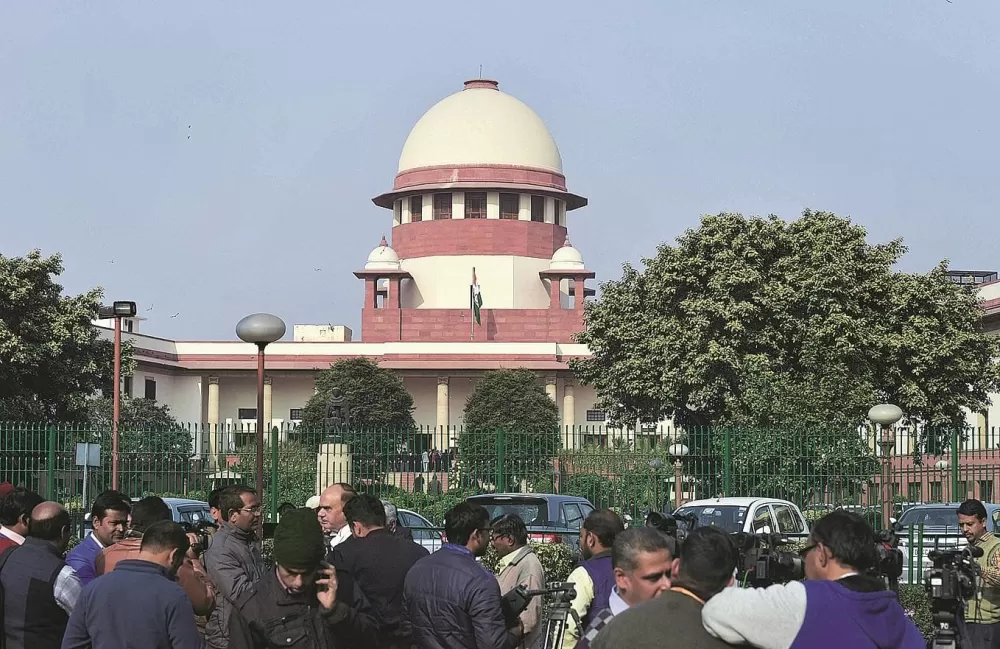
In a courtroom that felt more like a tech‑industry battleground than a traditional legal arena, a federal jury on Tuesday handed OpenAI a clear win against billionaire Elon Musk. After weeks of testimony, heated exchanges, and a few moments where even the judge seemed to need a coffee break, the twelve jurors returned a verdict that essentially says, “No, Musk, you didn’t prove your case.”
The lawsuit, filed by Musk last year, accused OpenAI of allegedly misusing confidential information and making false statements that hurt his reputation and business interests. Musk, who’s never been shy about wading into public disputes, claimed the AI giant had crossed a line—something the jury apparently didn’t see.
OpenAI’s legal team, led by seasoned litigator Susan Ramirez, leaned heavily on a series of internal emails and development logs that painted a very different picture. “We acted within the bounds of the law and standard industry practice,” Ramirez told the jury, and, judging by the outcome, the jurors bought it.
The decision has already sparked chatter across Silicon Valley and beyond. Some analysts see it as a win for the burgeoning AI sector, suggesting that the ruling could deter future lawsuits that aim to stifle innovation. Others, especially Musk’s supporters, argue that the verdict doesn’t end the underlying tensions; they expect more legal maneuvering down the road.
For Musk, the setback is more than just a courtroom loss. It’s a dent in the narrative he’s been building about the risks of unchecked AI development. “We’ll keep pushing for accountability,” Musk said in a brief statement, adding that OpenAI’s “approach remains at odds with responsible AI stewardship.”
OpenAI, meanwhile, is already looking ahead. The company announced plans to double its investment in safety research, a move that critics say might be a strategic response to the court’s decision. “Our focus is on building beneficial AI for everyone,” said OpenAI CEO Mira Patel, who praised the jury’s “fair and thorough evaluation.”
Legal experts caution against reading too much into a single verdict. “It’s a piece of the puzzle, not the whole picture,” noted professor James Liu of Georgetown Law. “The tech world will watch how both parties interpret and act on this outcome.”
Regardless of where the story goes from here, one thing is clear: the clash between Musk and OpenAI has highlighted just how entangled technology, law, and public perception have become. The jury’s decision may not settle every dispute, but it certainly marks a pivotal moment in the ongoing debate over AI’s role in society.
Editorial note: Nishadil may use AI assistance for news drafting and formatting. Readers can report issues from this page, and material corrections are reviewed under our editorial standards.