Europe’s Scorching Summer Claims Over 50,000 Lives, Study Links Two‑Thirds to Climate Change
- Nishadil
- October 23, 2026
- 0 Comments
- 2 minutes read
- 4 Views
- Save
- Follow Topic
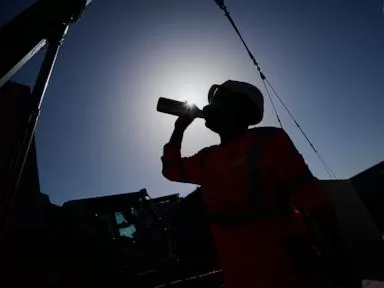
Record heat kills more than 50,000 people across Europe; climate change responsible for roughly 65% of those deaths
A new study finds that over 50,000 Europeans died during the 2026 heat wave, with two‑thirds of the toll tied to human‑driven warming.
Europe endured a relentless heat wave this summer, and the numbers are heartbreaking. More than 50,000 people lost their lives as temperatures surged far beyond what the continent is built to handle.
Researchers from Imperial College London crunched the data from 854 cities – roughly 40 % of Europe’s population – and came up with a grim total: 50,391 heat‑related deaths. When they stripped away the portion attributable to natural temperature spikes, they found that 32,619 of those deaths – about 65 % – were directly linked to the extra warmth produced by burning coal, oil and gas.
The heat wasn’t evenly spread. One especially brutal spell from June 17 to July 1 saw temperatures climb roughly 5.3 °C (9.5 °F) above the seasonal norm. During that window alone, a third of the fatalities occurred.
Older adults bore the brunt of the tragedy; more than half of the victims were 85 years old or older. Yet the heat also reached younger lives – over 800 people between 20 and 44 died, underscoring that no age group is immune.
What makes this summer stand out isn’t just the raw death toll. It’s the fact that the underlying, human‑caused warming has nudged Europe’s average temperature up by about 2.5 °C (4.5 °F) since pre‑industrial times. That modest shift is enough to turn an uncomfortable summer day into a deadly one.
To tease apart the role of climate change, the scientists ran a computer model of a world without any additional greenhouse gases. They then compared that “baseline” to the actual deaths recorded this summer. The difference gave them the climate‑attributable figure.
Experts not involved in the study praised the methodology. Dr. Howard Frumkin, a former director of the U.S. National Center for Environmental Health, noted that both the heat waves and the analytical tools are getting more precise, which inevitably pushes the death counts higher.
The findings have sparked urgent calls for action. Canadian physician Dr. Courtney Howard urges governments to invest in heat‑early‑warning systems, low‑carbon cooling options, and community‑based buddy networks that check on vulnerable neighbours. Meanwhile, public‑health scholar Dr. Jonathan Patz reminds us that mitigation matters just as much as adaptation – we must curb fossil‑fuel use if we ever hope to lower the baseline temperature.
In short, Europe’s summer was a stark warning: the planet is warming, our infrastructure isn’t keeping pace, and the human cost is already mounting. The question now is whether policy and innovation can move fast enough to keep the next heat wave from becoming an even larger tragedy.
Editorial note: Nishadil may use AI assistance for news drafting and formatting. Readers can report issues from this page, and material corrections are reviewed under our editorial standards.