Eagle Mountain's Digital Resilience: Navigating a Million-Dollar Scam and Widespread Internet Blackouts
- Nishadil
- September 22, 2026
- 0 Comments
- 4 minutes read
- 2 Views
- Save
- Follow Topic
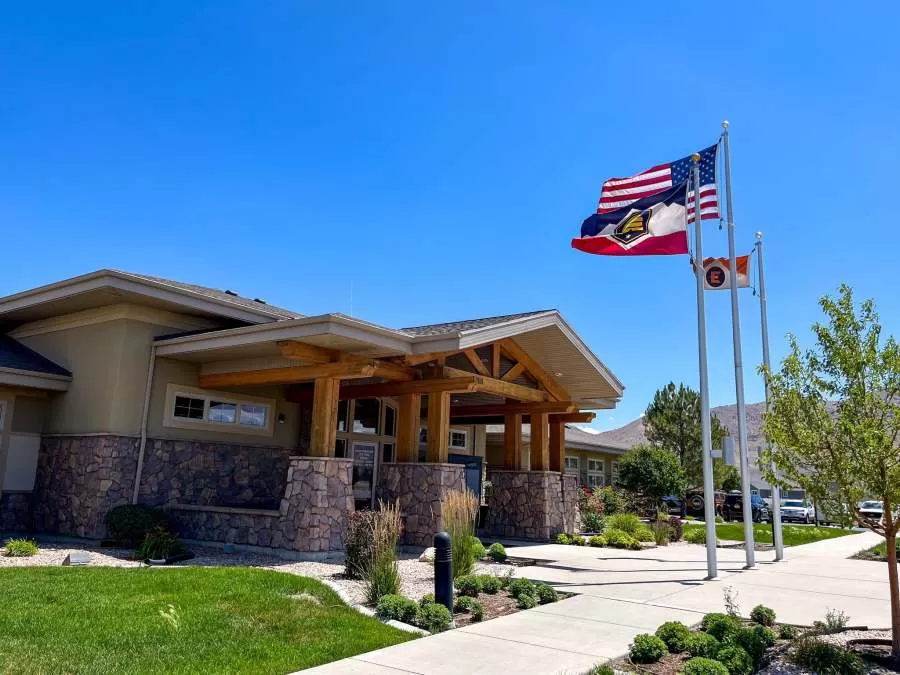
From Deceptive Emails to DDoS Attacks: How Eagle Mountain Faced Its Toughest Cyber Challenges
Eagle Mountain has recently been hit by a string of digital woes, including a sophisticated $1.13 million email impersonation scam against the city in 2022 and a frustrating multi-day internet outage for Direct Communications customers due to a DDoS attack in 2026.
In an increasingly connected world, even quiet communities aren't immune to the relentless drumbeat of cyber threats. Eagle Mountain, Utah, a place known for its sprawling landscapes and growing population, has unfortunately found itself on the front lines of this digital battle, experiencing two distinct and deeply impactful cyber incidents in recent years. These aren't just technical glitches; they're stories of significant financial loss, widespread inconvenience, and a stark reminder that vigilance is paramount.
Let's rewind to 2022, shall we? Eagle Mountain City was humming along, working on vital infrastructure projects, as cities do. But then, a truly audacious cybercrime unfolded, leaving the city nearly $1.13 million poorer. It wasn't some flashy hack that brought down their systems; no, this was far more insidious. Perpetrators, incredibly clever and cunning, managed to insert themselves into an existing email thread between city employees and a legitimate vendor. They impersonated the vendor so convincingly that city staff were duped into wiring a colossal sum via an Automated Clearing House (ACH) transfer. Tyler Maffit, the city’s Communications Manager at the time, confirmed the devastating discovery on August 31st.
Imagine the shock, the gut-wrenching realization that such a significant amount of taxpayer money had simply vanished. The city wasted no time, immediately reaching out to the FBI and the Utah County Sheriff's Office. Unfortunately, as is often the case with these kinds of sophisticated scams, the money was quickly dispersed, making recovery a long shot. There was, however, a small silver lining: no sensitive information belonging to residents, clients, or vendors was compromised. That's a huge relief, honestly. Thankfully, the city did have an insurance policy specifically for cybercrimes, and they’ve been working diligently with their insurer for reimbursement. More importantly, this painful lesson spurred immediate action, leading to a much-needed strengthening of financial policies regarding ACH payments to prevent any similar future incidents. And to be clear, no city or vendor employees were ever suspected of wrongdoing – it was purely a case of masterful deception.
Fast forward just a few years to September 2026, and Eagle Mountain found itself grappling with yet another digital headache, though this time of a different flavor entirely. Residents relying on Direct Communications Utah for their internet service suddenly found their connectivity crumbling. For four frustrating days, the internet was either nonexistent, painfully slow, or incredibly unstable. This wasn't a financial scam; it was a Distributed Denial of Service (DDoS) attack.
For those unfamiliar, a DDoS attack is essentially a digital mob overwhelming a system. Imagine thousands, or even millions, of digital requests flooding a website or network all at once, effectively choking off legitimate traffic. That's what Direct Communications experienced – an unusually high volume of traffic, a clear sign of a malicious, coordinated effort. The impact on daily life was immediate and severe. Think about it: remote work, online schooling, streaming entertainment, even just keeping up with family and friends – all grinding to a halt. It's truly astonishing how much we depend on a stable internet connection these days.
Direct Communications engineers were, of course, scrambling, investigating the root cause and coordinating with their upstream network providers to mitigate the attack. They advised customers to power cycle their routers once a fix was implemented, a common troubleshooting step. While customer support operations were naturally affected by the chaos, the good news here was similar to the city's incident: there's no indication that the attackers actually breached the company's internal systems or gained access to any customer information. The goal was disruption, not data theft.
These two incidents, though different in their nature and execution, serve as powerful cautionary tales for Eagle Mountain and, indeed, for communities everywhere. They underscore the critical importance of robust cybersecurity measures, not just for financial transactions but for the very infrastructure of our digital lives. From the quiet deception of an email scam to the brute force of a DDoS attack, the digital landscape is constantly evolving, demanding that we all stay informed, vigilant, and prepared. It’s a challenge, yes, but one that Eagle Mountain is clearly learning to face head-on, proving its resilience in the face of these unseen adversaries.
- UnitedStatesOfAmerica
- News
- Technology
- LocalNews
- TopStories
- TechnologyNews
- DigitalSecurity
- AddToNewsletter
- WasatchFrontNews
- InternetDisruption
- NetworkStability
- DdosAttack
- CybersecurityThreats
- MunicipalFraud
- EagleMountainCyberattack
- UtahCybercrime
- DirectCommunicationsOutage
- EmailImpersonationScam
- AchFraud
Editorial note: Nishadil may use AI assistance for news drafting and formatting. Readers can report issues from this page, and material corrections are reviewed under our editorial standards.