Drone Debris Tragedy at Saudi Oil Field Claims Two Lives, Injures Two More
- Nishadil
- October 22, 2026
- 0 Comments
- 2 minutes read
- 12 Views
- Save
- Follow Topic
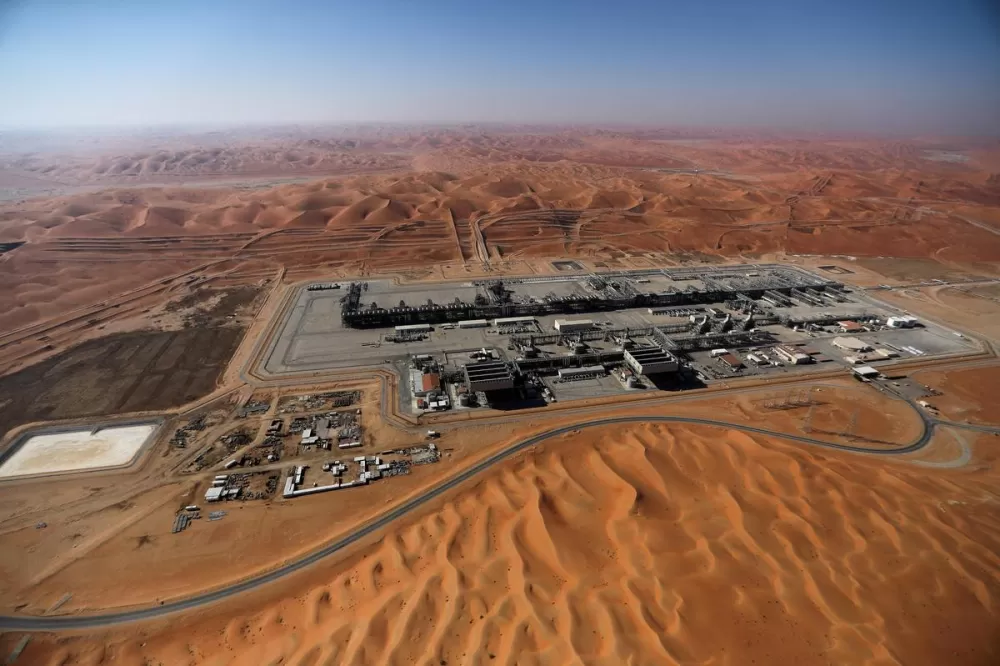
Falling wreckage from an intercepted drone kills Nepali and Filipino workers, injures Pakistani and Indian staff at Aramco’s Shaybah site
Saudi Arabia’s Energy Ministry says debris from a shot‑down drone struck an Aramco oil field in the Empty Quarter, killing two foreign workers and wounding two others.
On the evening of October 21, a quiet part of Saudi Arabia’s vast Empty Quarter was suddenly lit up by a blaze that began when a piece of drone wreckage plummeted onto the Shaybah oil complex, an Aramco‑run field that churns out a sizable slice of the kingdom’s crude output.
According to a statement from the Saudi Energy Ministry, the falling debris struck a contractor’s vehicle, igniting a fire and, more tragically, killing two expatriate workers. One of the victims was a Nepali national; the other hailed from the Philippines. Two more people—one Pakistani and one Indian—suffered injuries ranging from minor cuts to more serious burns.
It wasn’t a random accident. The Ministry confirmed that the drone had been intercepted by Saudi air defenses, a defensive move that has become almost routine as the Iran‑backed Houthi rebels continue to launch attacks on the kingdom’s critical infrastructure.
These drones, often launched from Yemeni territory, have been targeting oil installations, ports and even airports. Just a month earlier, a similar interception resulted in the death of a Yemeni resident inside Saudi borders—the first civilian casualty linked to the Houthi campaign in the kingdom.
Earlier this year the same Aramco complex saw a modest fire break out in an administrative building after an attack on the Eastern Province, underscoring how the facility has become a repeated flashpoint in the broader Saudi‑Yemen conflict.
While the Saudi government has repeatedly stressed that its air defence network is robust, each incident adds another layer of tension. The fighting in Yemen, now past a fragile four‑year truce, has spilled over into Saudi territory, turning oil fields and even the capital’s King Khalid International Airport into occasional theatres of conflict.
For the families of the Nepali and Filipino workers, the loss is personal and painful, a reminder that the geopolitical tug‑of‑war has very human costs. The Pakistani and Indian nationals who were hurt are receiving medical care, but their recovery will likely be a long road.
As Saudi officials assess the damage and the Ministry promises a thorough investigation, the incident serves as a stark illustration of how a single intercepted drone can still unleash deadly consequences on the ground.
Editorial note: Nishadil may use AI assistance for news drafting and formatting. Readers can report issues from this page, and material corrections are reviewed under our editorial standards.