Depression’s Hidden Clock: A New ‘Circadian’ Subtype Affects One‑Quarter of Patients
- Nishadil
- October 24, 2026
- 0 Comments
- 3 minutes read
- 5 Views
- Save
- Follow Topic
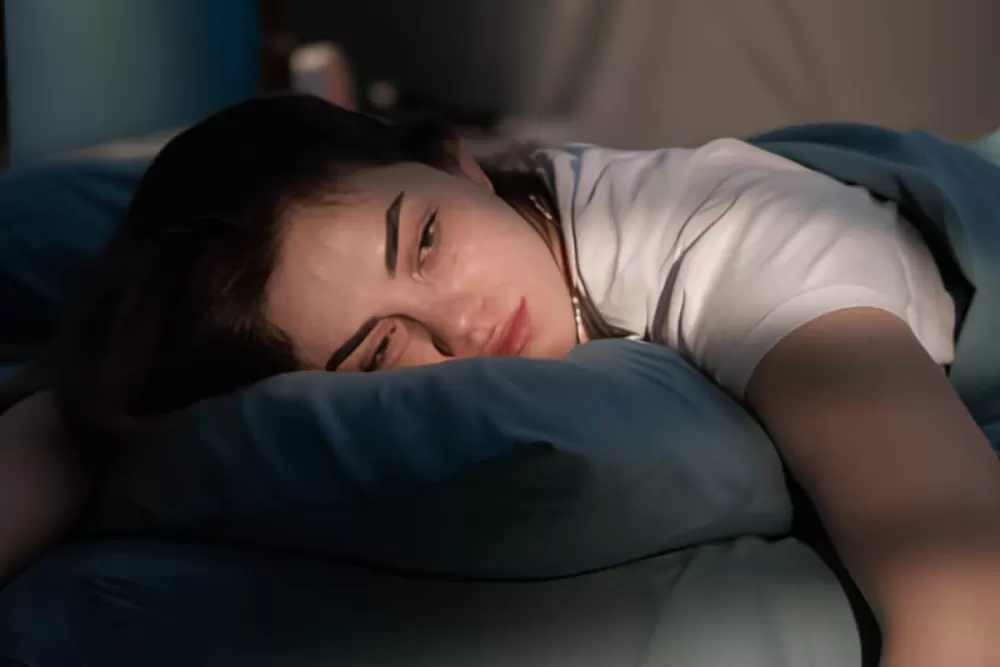
Sleep‑Timing May Define a Distinct Form of Depression, Study Finds
Researchers in Sydney propose a ‘circadian depression’ subtype linked to disrupted body‑clock rhythms, affecting roughly 25 % of severe‑case patients and pointing to novel treatment angles.
Ever stayed up until the early hours, dragged yourself out of bed at dawn and still felt like a zombie? It might not just be bad habits. A team at the University of Sydney thinks the problem could be deeper – tied to the body’s internal clock, or circadian rhythm.
The researchers examined clinical and genetic records of 11,380 Australians battling severe, recurrent or persistent depression. Almost 2,600 of them – just about one in four – matched criteria for a proposed new subtype they call circadian depression. In other words, their mood troubles appear intertwined with the way their 24‑hour biological clock is out of sync.
“Depression isn’t a single disease,” says Dr. Emiliana Tonini, the study’s lead author. “If we can sort people into more precise groups, we can steer them toward treatments that actually work for them, faster.”
So what does this ‘clock‑type’ depression look like? Participants flagged several tell‑tale patterns:
- Strong night‑owl tendencies – falling asleep well past midnight.
- Waking up feeling exhausted, even after a full night’s rest.
- Longer sleep bouts during depressive episodes.
- Seasonal swings in symptoms, often worsening in winter.
- ‘Social jet lag’ – a mismatch between work‑day wake‑up times and natural sleep preferences.
Imagine someone whose body screams for sleep at 3 a.m., yet a 9‑to‑5 job forces them up at 7 a.m. Over weeks and months, that forced misalignment can feel like perpetual jet lag, draining energy and muddying mood.
Intriguingly, the study found that people fitting the circadian profile were less likely to report relief from standard antidepressants, and more prone to side‑effects. While the data rely partly on self‑reports and need replication, they hint that a one‑size‑fits‑all prescription approach may miss the mark for a sizeable slice of patients.
What does this mean for therapy? The authors suggest that treatments designed to reset the body clock – bright‑light therapy, structured sleep‑wake schedules, or melatonin‑based interventions – could be worth trying earlier rather than as a last resort.
Not everyone is convinced yet. Independent experts caution that more evidence is required before ‘circadian depression’ becomes an official diagnostic category. Overlap with existing labels like atypical depression further blurs the picture.
Still, the takeaway is practical: if a patient’s depression co‑occurs with late‑night insomnia, morning fatigue and seasonal mood swings, clinicians might consider a clock‑focused evaluation. It could open doors to strategies that go beyond the typical pill bottle.
As research continues, the hope is that untangling the timing of our internal clocks will give many a clearer path out of the darkness.
Editorial note: Nishadil may use AI assistance for news drafting and formatting. Readers can report issues from this page, and material corrections are reviewed under our editorial standards.