Delhi‑NCR Declares GRAP Stage I as Air Quality Plummets to ‘Poor’ Levels
- Nishadil
- October 22, 2026
- 0 Comments
- 2 minutes read
- 3 Views
- Save
- Follow Topic
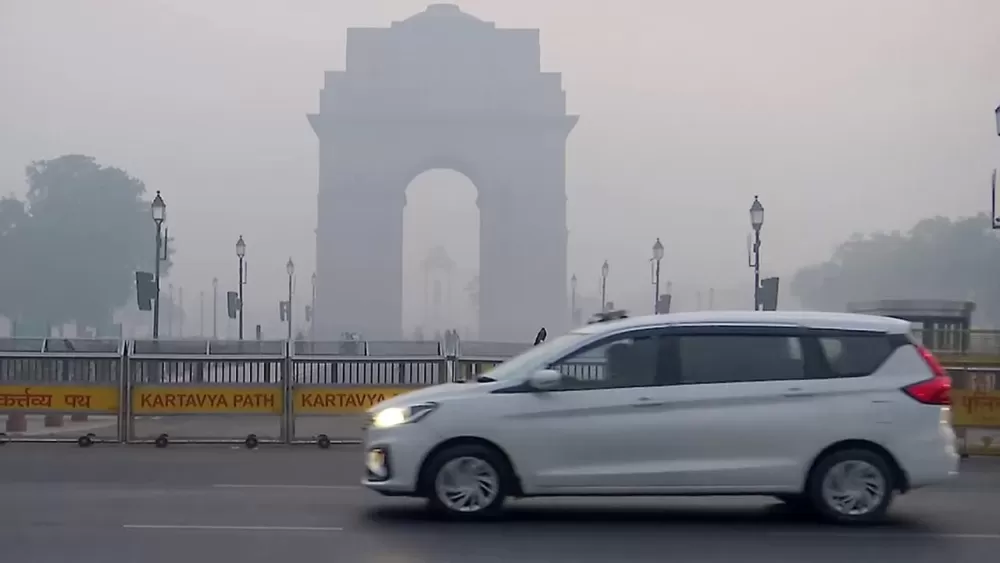
CAQM activates first‑level emergency measures after AQI spikes to 244
On October 21 the Commission for Air Quality Management triggered GRAP Stage I across Delhi‑NCR as the Air Quality Index jumped from 179 to 244, forcing tighter pollution‑control actions.
When the clock struck 2 pm on Wednesday, October 21, Delhi’s Air Quality Index surged to 244 – well inside the ‘poor’ bracket (201‑300). The jump from a modest 179 the day before was enough for the Commission for Air Quality Management (CAQM) to pull the trigger on Stage I of the Graded Response Action Plan (GRAP).
The decision didn’t come out of thin air. A sub‑committee of the CAQM pored over the latest readings from the Central Pollution Control Board (CPCB) and cross‑checked forecasts from the India Meteorological Department and the Indian Institute of Tropical Meteorology. Both agencies warned that the city’s hazy veil would linger for several days, thanks to dropping temperatures and fickle wind patterns that trap pollutants close to the ground.
What does Stage I actually mean for the everyday resident? It’s essentially a call‑to‑action for municipal bodies across Delhi, plus adjoining districts in Haryana, Uttar Pradesh and Rajasthan. Authorities are now required to step up mechanised road‑sweeping, spray water on dusty stretches, tighten vehicle‑emission checks and clamp down on open waste‑burning. Construction sites must follow stricter dust‑control protocols, and hotels, restaurants or street‑food stalls can no longer fire up coal‑ or fire‑wood tandoors – they have to switch to electricity or cleaner fuels.
Diesel generators are also under the scanner. They may run only for emergency purposes or essential services, and any industrial use must be approved and monitored. In short, the aim is to curb the sources of particulate matter – especially the ever‑present PM10 that has dominated Delhi’s pollution profile for weeks.
Data from the CPCB shows the story in stark numbers. While 56 of Delhi’s 59 monitoring stations recorded AQI levels above 200, the worst spots – Jahangirpuri and Pusa – spiked past 300, edging into the ‘very poor’ category. On the brighter side, a handful of stations, like Anand Vihar, still hovered in the moderate range.
Health officials caution that even a ‘moderate’ reading can cause breathing discomfort for sensitive groups. With the AQI now firmly in the ‘poor’ range, people with asthma, heart disease or chronic lung conditions should consider limiting outdoor activity and using masks.
The GRAP framework has three levels; Stage I is the first, intended to nip worsening trends in the bud. Whether the CAQM will have to move to Stage II or III depends on upcoming readings and weather forecasts. For now, the on‑us is clear: stay indoors where possible, keep windows shut, and lend a hand by following the citizen charter on pollution reduction.
Editorial note: Nishadil may use AI assistance for news drafting and formatting. Readers can report issues from this page, and material corrections are reviewed under our editorial standards.