Colossal Biosciences Returns a Rare Moa Egg to Its Māori Custodians in New Zealand
- Nishadil
- October 20, 2026
- 0 Comments
- 3 minutes read
- 8 Views
- Save
- Follow Topic
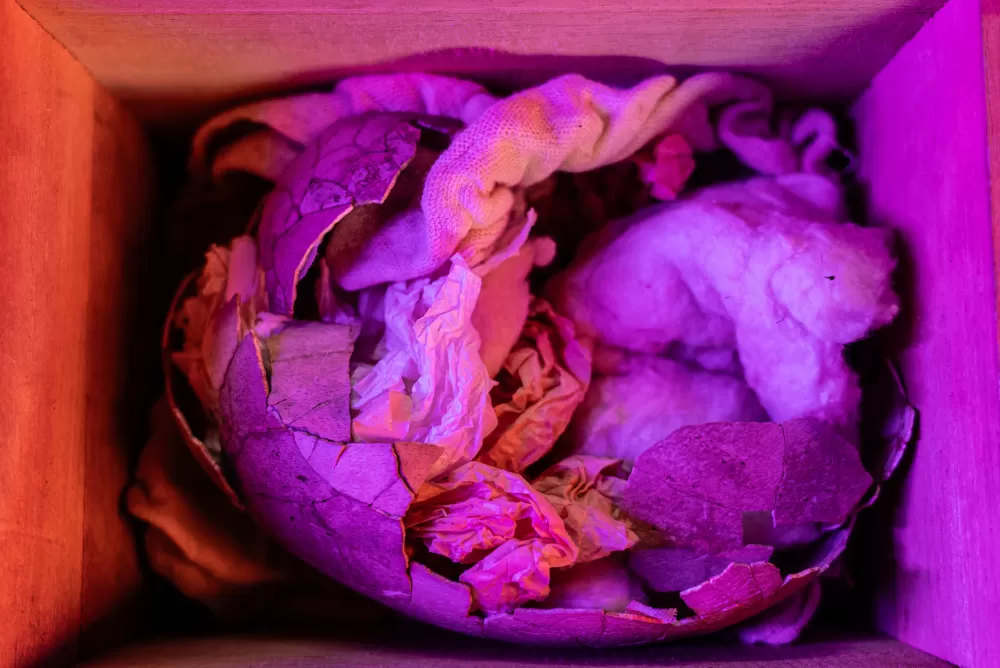
Rare South Island giant moa egg repatriated after six decades abroad
Colossal Biosciences has purchased a rare moa egg from a US collection and will hand it over to Māori leader Professor Te Maire Tau in a December ceremony.
In a move that feels part archaeology, part cultural reconciliation, Colossal Biosciences announced on 20 October 2026 that it has secured one of the world’s few surviving moa eggs and will ship it back to Aotearoa.
The egg, which measures roughly 22 × 17 cm – about one‑and‑a‑half times the length of an ostrich egg – was first unearthed in New Zealand on 14 January 1966. Somehow it wound up in a private American collection, living a quiet life in Colorado for more than 60 years before resurfacing at an auction hosted by Artemis Gallery.
Colossal stepped in on 12 June 2026, buying the fragile relic and immediately setting plans in motion to return it to its rightful home. The company says the egg will travel by private charter, wrapped in conservation‑grade packaging, to ensure it arrives unscathed.
When the egg lands in the South Island, it will be presented to Professor Te Maire Tau – Ūpoko of Ngāi Tūāhuriri, a hapū of Ngāi Tahu – during a formal repatriation ceremony slated for December. Dr Tau wears many hats: historian, academic, tribal leader, and a bridge between indigenous knowledge and cutting‑edge science.
Only about 40 moa eggs are known to exist in public collections worldwide, and fewer than a dozen retain at least 90 % of their original shell. Most of those are housed in museums in London and New Zealand. This particular egg, believed to come from a burial site dating to the Moa‑Hunter period (circa AD 1300), still holds fragments that need delicate re‑attachment under the guidance of Ngāi Tahu researchers.
“When we launched the moa program we made a clear commitment that indigenous leadership would guide the science and every decision surrounding the project,” said Ben Lamm, CEO of Colossal. “Securing and transporting this egg back to its rightful home is just part of that commitment.”
For Māori, moa are more than extinct birds; they are taonga – treasured objects that embody the stories of ancestors who once walked alongside these giants. Sir Peter Jackson, New Zealand filmmaker, echoed that sentiment, noting how the loss of the moa still haunts the national imagination.
Under New Zealand’s Protected Objects Act 1975, intact moa remains can’t be exported without permission. The egg left the country before that law existed, which is why Colossal’s swift purchase and repatriation are seen as a gesture of goodwill rather than a legal loophole.
Once restored, the egg will likely join the collections of Te Papa, the national museum, where it can sit alongside the few other nearly‑complete moa eggs and be cared for by the people whose ancestors first laid it.
- India
- Pakistan
- News
- Technology
- Australia
- Singapore
- TechnologyNews
- China
- NewZealand
- Japan
- SriLanka
- SouthKorea
- Bhutan
- Malaysia
- Indonesia
- Maldives
- HongKong
- Afghanistan
- CulturalHeritage
- Nepal
- Repatriation
- Bangladesh
- Thailand
- Mongolia
- Brunei
- Philippines
- Cambodia
- Fiji
- DeExtinction
- ColossalBiosciences
- Tri
- Maori
- MoaEgg
Editorial note: Nishadil may use AI assistance for news drafting and formatting. Readers can report issues from this page, and material corrections are reviewed under our editorial standards.