Britain's PM Admits Brexit Failure, Calls for EU Reset
- Nishadil
- November 17, 2026
- 0 Comments
- 4 minutes read
- 15 Views
- Save
- Follow Topic
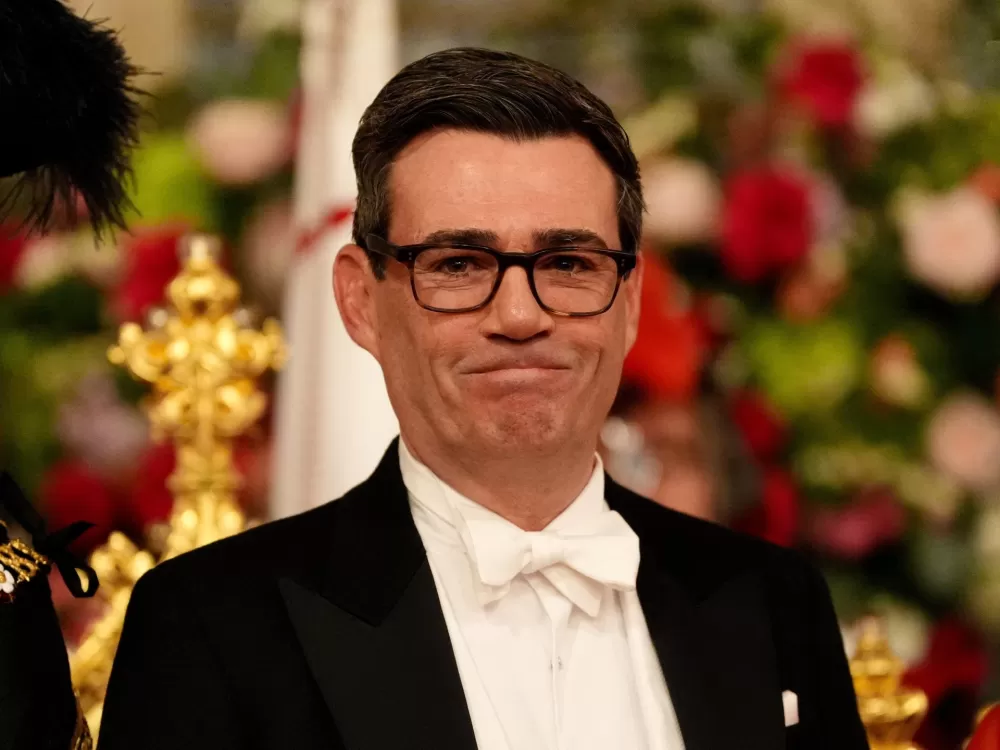
PM Burnham Signals Major UK Policy Shift, Seeks Closer EU Ties After Acknowledging Brexit's Shortcomings
British Prime Minister Andy Burnham has openly stated that Brexit has failed to deliver for the UK, announcing a strategic pivot towards strengthening ties with the European Union to counter global isolationism.
In a remarkably candid address, standing before an esteemed audience at London's Guildhall, British Prime Minister Andy Burnham delivered what many are calling a seismic shift in the UK's post-Brexit stance. He frankly admitted that the country's ten-year journey outside the European Union has, unfortunately, yielded 'more losses than gains,' signaling an urgent need to 'reset' relations with the bloc.
This bold declaration, made during the traditional Lord Mayor's Banquet on November 17, 2026, underscored a growing consensus that the promise of Brexit, regrettably, hasn't quite materialized as intended. Indeed, the economic toll has been significant; trade with our closest European neighbours has plummeted, with economists estimating the damage to Britain's gross domestic product somewhere between a sobering 4 to 8 percent. For Burnham, the imperative is clear: the UK simply cannot afford to face an increasingly volatile world in isolation.
The Prime Minister's remarks pave the way for a crucial UK-EU summit slated for this coming Friday in Brussels. Expectations are understandably high, though the path ahead remains riddled with complexities, as any new arrangement will need to carefully balance domestic political promises with the practicalities of international cooperation.
Burnham himself is no stranger to political headwinds, becoming Britain's seventh prime minister since that pivotal 2016 referendum. He stepped into the top job after succeeding Keir Starmer as Labour Party leader, inheriting a landscape still deeply shaped by Brexit. Yet, his freedom to maneuver is, shall we say, somewhat constrained. Any new agreement with the EU must meticulously align with Labour's existing manifesto commitments, crucially aiming to improve upon the initial Brexit deal while still respecting the democratic mandate of the 2016 vote. Oh, and of course, it must also successfully pass what's known as Burnham's very own 'Makerfield Test' – a hurdle designed, one presumes, to ensure any deal genuinely serves British interests.
A significant binding factor until the next national election is Keir Starmer's prior pledge: specifically, that the UK will not rejoin the bloc's tariff-free customs union or its single market. It's a delicate tightrope walk, to be sure. Tom Wells, the Prime Minister's spokesperson, was keen to stress that 'no assumptions are being made' regarding the specific outcomes of these upcoming discussions. And, perhaps most importantly, he reiterated a crucial point: 'the British public will be the boss of any outcome.' This isn't just about politicians; it's about the country's future, and ultimately, the people will have their say.
As the UK prepares to engage in these fresh dialogues, the hope is for a more pragmatic, mutually beneficial relationship with its European partners. It marks, without a doubt, a pivotal moment, perhaps even a new chapter, in Britain's ongoing story with the continent. Whether this 'reset' truly delivers on its promise remains to be seen, but the intent to mend bridges is now unmistakably clear.
Editorial note: Nishadil may use AI assistance for news drafting and formatting. Readers can report issues from this page, and material corrections are reviewed under our editorial standards.