Alan Blinder: Markets Misread the Fed's Latest Stance
- Nishadil
- March 19, 2026
- 0 Comments
- 3 minutes read
- 33 Views
- Save
- Follow Topic

Former Fed Vice Chair Alan Blinder Believes Markets Overstated FOMC Hawkishness
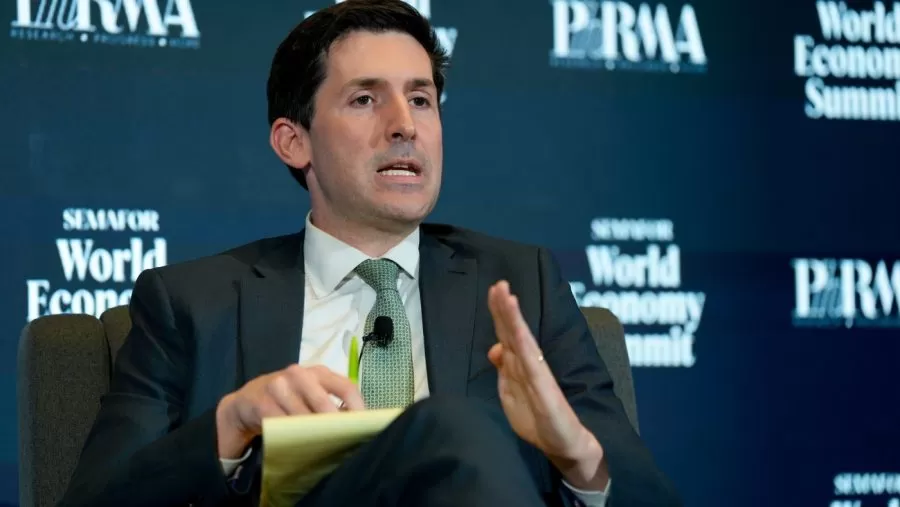
Former Fed Vice Chairman Alan Blinder argues that financial markets misinterpreted the recent FOMC meeting, perceiving it as far more hawkish than the Fed's actual intent.
You know, it’s always fascinating to watch how the financial markets interpret signals from the Federal Reserve. Sometimes, it feels like a giant game of telephone, where a carefully crafted message can get wonderfully, or perhaps dangerously, distorted by the time it reaches the trading floors. And that’s precisely the sentiment echoed by none other than former Fed Vice Chairman Alan Blinder, who recently suggested that the markets might have gotten a little ahead of themselves, reading the latest Federal Open Market Committee (FOMC) meeting as far more hawkish than it actually was.
Blinder, a seasoned observer and participant in the intricate dance of monetary policy, posits that the collective market reaction – the sell-offs, the jitters, the sudden shift in rate hike expectations – was, frankly, an overreach. It wasn't quite the aggressive pivot that many seemed to perceive. He believes there's a nuanced distinction between a Fed that's becoming more mindful of inflationary pressures and one that's suddenly hitting the monetary policy accelerator with abandon. This isn't about ignoring inflation, mind you; it's about the degree of the Fed's response.
So, what might have fueled this particular misinterpretation? Well, one often points to the "dot plot" – that famously cryptic chart showing individual Fed officials' projections for future interest rates. It's a snapshot, a collection of opinions, really, and not a concrete promise. Markets, bless their excitable hearts, tend to latch onto these projections with a fervor, sometimes extrapolating a bit too much from what are, after all, just forecasts, subject to change. Perhaps a few upward shifts in those dots were enough to trigger a collective gasp, overshadowing other, more measured aspects of the Fed's communication.
Blinder's perspective serves as a vital reminder that the Fed, by its very nature, operates with a degree of prudence. While they are certainly responsive to economic data, including persistent inflation, they also understand the delicate balance required to maintain stability without inadvertently stifling growth. A truly "hawkish" stance would imply a much more aggressive and perhaps less conditional commitment to tightening. What we likely saw, he implies, was more of a careful recalibration, a subtle leaning rather than a dramatic lurch.
It begs the question: if the markets did overreact, what are the implications? For one, it means some of the volatility we've witnessed might have been based on exaggerated fears, rather than a genuine shift in the Fed's fundamental strategy. For investors, it could suggest a moment to step back, take a deep breath, and perhaps reassess the longer-term trajectory with a more informed, less emotionally charged lens. After all, understanding the true intent behind the Fed's words is crucial for navigating these choppy economic waters.
Ultimately, Blinder's insight encourages a more thoughtful, less reactive approach to deciphering the Fed's signals. It's about looking beyond the immediate headlines or the most attention-grabbing data points and trying to grasp the broader strategic framework. Because sometimes, the real story isn't the loudest interpretation, but the more subtle, carefully considered truth beneath the market's initial, sometimes impulsive, reaction.
Editorial note: Nishadil may use AI assistance for news drafting and formatting. Readers can report issues from this page, and material corrections are reviewed under our editorial standards.