The Looming Shadow: How Immigration Policy Could Reshape American Science and Healthcare
- Nishadil
- May 05, 2026
- 0 Comments
- 3 minutes read
- 25 Views
- Save
- Follow Topic

A Chill in the Air: U.S. Science and Healthcare Brace for Impact from Potential Trump Immigration Policies
Leaders across American science, academia, and healthcare are expressing deep anxiety over the potential immigration policies of a future Trump administration. A recent STAT survey paints a concerning picture of how proposed changes, like mass deportations and expanded travel bans, could cripple these vital sectors, leading to a significant brain drain and undermining the nation's global scientific standing.
You know, there's a real palpable sense of unease right now among some of the brightest minds and most dedicated professionals in America – particularly in our science labs, university campuses, and bustling hospitals. The mere prospect of a second Trump presidency and the immigration policies being floated has frankly sent a chill down the spines of many. We're talking about potential mass deportations, travel bans that could expand significantly, and a general tightening of borders that, it seems, would reverberate far beyond just border towns, directly hitting our nation's scientific prowess and healthcare capacity.
A recent survey by STAT really hammered this home. It pulled back the curtain on just how anxious researchers, university presidents, and healthcare executives are. The consensus? These proposed policies aren't just a political talking point; they represent a very real threat to the lifeblood of our scientific innovation and the delivery of critical healthcare services. Imagine, if you will, the very engine of discovery and care, sputtering because it's starved of talent.
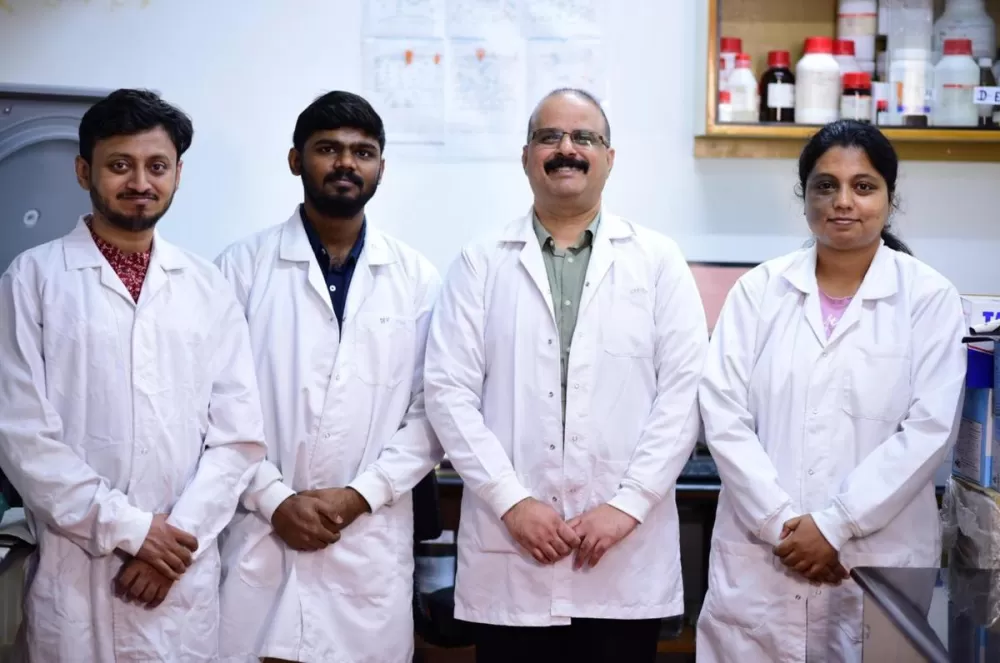
Let's be honest: America's leadership in science and medicine isn't some inherent birthright; it's meticulously built on the backs of incredible talent, a significant portion of which, historically speaking, has come from beyond our borders. Immigrants, bright minds from every corner of the globe, have long been the bedrock of our research institutions, our tech startups, and our hospitals. They fill critical roles, from cutting-edge research to direct patient care in underserved communities. If we suddenly make it harder for these individuals to come, to stay, or even to feel welcome, well, the consequences are pretty stark.
The survey findings weren't just theoretical; they outlined concrete fears. One major worry is, of course, a severe shortage of skilled workers. Think about it: who will be developing the next generation of vaccines, leading clinical trials, or simply staffing our emergency rooms? Losing international students and post-doctoral fellows isn't just a matter of numbers; it's a loss of diverse perspectives, fresh ideas, and often, a tireless dedication that fuels breakthroughs. And frankly, once these talented individuals are deterred from coming to the U.S., they'll simply take their skills, their brilliance, and their contributions elsewhere. Other nations are, after all, more than eager to welcome them.
Beyond the immediate staffing crisis, there's a deeper concern about the very fabric of American scientific leadership. Research is inherently collaborative, a global endeavor. When travel restrictions tighten, when the rhetoric becomes unwelcoming, it makes international partnerships incredibly difficult. Suddenly, our scientists might find themselves isolated, less able to exchange ideas, share data, and collectively tackle global challenges, be it climate change or the next pandemic. This isn't just about feeling good; it's about maintaining a competitive edge and ensuring we're at the forefront of medical advancements.
So, while the political debates rage on, it's worth remembering that policy decisions have very real, very human consequences. For those in science and healthcare, the stakes feel incredibly high. The fear isn't just about a temporary setback; it's about potentially eroding decades of progress and ceding our hard-won leadership in areas vital to human well-being. It’s a truly unsettling prospect for those dedicated to pushing the boundaries of knowledge and caring for the sick.
Editorial note: Nishadil may use AI assistance for news drafting and formatting. Readers can report issues from this page, and material corrections are reviewed under our editorial standards.