A Simple Toothache, A Tragic End: The Unanswered Questions Surrounding Pascatiel Louis's Death in ICE Custody
- Nishadil
- March 05, 2026
- 0 Comments
- 4 minutes read
- 25 Views
- Save
- Follow Topic
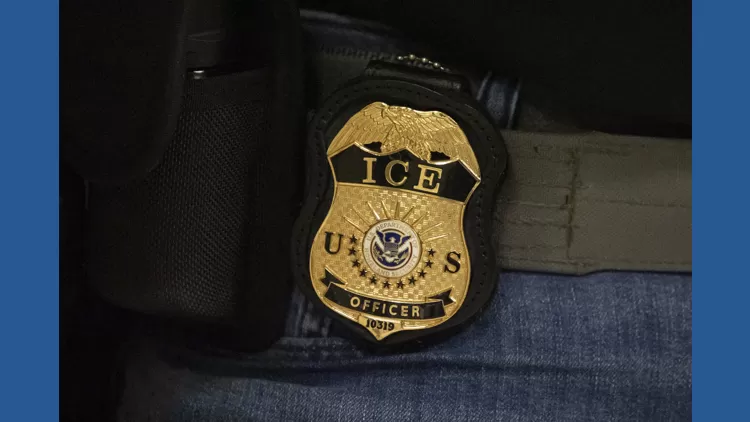
Haitian Migrant Dies in US Custody Amid Untreated Toothache Claims
The heartbreaking story of Pascatiel Louis, a Haitian man who died in US immigration custody, raises serious questions about medical care after his brother alleges a severe, untreated toothache led to his death.
A shadow has fallen over the Louis family, an unthinkable tragedy that began, quite simply, with a toothache. Pascatiel Louis, a 37-year-old Haitian migrant seeking a new life, died recently while in U.S. immigration custody, leaving behind a grieving brother, Maxo, who says his pleas for adequate medical attention for Pascal went ignored. It's a story that, tragically, shines a harsh light on the often-criticized state of healthcare within immigration detention facilities, reminding us all of the profound human cost involved.
Pascal's journey through the U.S. immigration system was a winding one. He had been in the custody of U.S. Immigration and Customs Enforcement (ICE) since mid-February, moving from a detention center in Aurora, Colorado, to a facility in Georgia, and eventually to a county jail in Kentucky. Throughout this difficult period, according to Maxo, Pascal repeatedly called his brother, his voice filled with increasing pain and concern. The initial discomfort of a toothache quickly spiraled, leading to alarming facial swelling and a persistent fever.
Imagine the anguish of a brother, miles away, hearing such reports. Maxo vividly recalls urging Pascal to seek immediate medical help, only to hear frustrating updates. Pascal recounted receiving merely Tylenol and antibiotics, treatments that clearly weren't stemming the tide of a rapidly worsening infection. "He was suffering a lot, and nobody was helping him," Maxo told reporters, his words painting a picture of profound helplessness and despair. This wasn't just a minor ailment; it was a systemic failure to address a burgeoning health crisis.
Ultimately, Pascal's health deteriorated to the point where he was transferred to Baptist Health Hardin in Elizabethtown, Kentucky. It was there, away from his family and the country he hoped would offer refuge, that he passed away. ICE has, predictably, issued a statement confirming the death, stating that "next of kin have been notified" and that the "cause of death will be determined by medical personnel." They also offered the usual assurances about their commitment to the "health, safety, and welfare" of those in their custody, emphasizing that such deaths are "rare." Yet, for Maxo and many others, these words ring hollow against the backdrop of a loved one's avoidable demise.
Human rights advocates have been quick to amplify Maxo’s concerns, pointing to a disturbing pattern of inadequate medical — and especially dental — care within ICE facilities. Groups like the Haitian Bridge Alliance, Human Rights Watch, and the ACLU have long highlighted that medical neglect is not merely an unfortunate oversight but a leading cause of death in these detention settings. Migrants, often fleeing unimaginable instability and violence, arrive in the U.S. with complex health needs, or develop new ones due to the arduous journeys and the harsh conditions of detention. Dental issues, frequently dismissed as minor, can escalate rapidly into life-threatening infections if not properly treated. Sadly, comprehensive dental care often amounts to little more than extractions, a short-sighted approach that fails to address underlying problems.
The statistics are grim, providing a stark numerical context to Pascal's personal tragedy. Eleven individuals have died in ICE custody this fiscal year alone. While that number is lower than the 21 deaths reported in 2020 or the 17 in 2021, each statistic represents a human life, a family shattered, and questions left unanswered. The alleged conditions Pascal faced – including, at one point, sleeping on the floor in an overcrowded facility – further underscore the systemic challenges. This isn't just about a tooth; it's about dignity, humanity, and the fundamental right to adequate medical care, even for those held in custody.
The death of Pascatiel Louis serves as a poignant and painful reminder that behind every policy and every statistic lies a human story. His brother's grief, fueled by the agonizing belief that Pascal's death could have been prevented with timely and appropriate medical intervention, echoes the cries of countless families. It compels us to ask difficult questions about the standards of care, the oversight mechanisms, and the moral responsibilities we bear towards those in our nation's charge, regardless of their immigration status.
Editorial note: Nishadil may use AI assistance for news drafting and formatting. Readers can report issues from this page, and material corrections are reviewed under our editorial standards.