Youth Across Borders Turn the Tide: From the Yangtze to the Mekong, a New Green Code Emerges
- Nishadil
- May 26, 2026
- 0 Comments
- 3 minutes read
- 23 Views
- Save
- Follow Topic

From the Yangtze to the Mekong: Young Leaders Unlock Rivers’ Green Code
A cross‑border youth coalition is harnessing technology and traditional knowledge to protect Asia’s great rivers, launching a ‘green code’ that blends science, art, and community action.
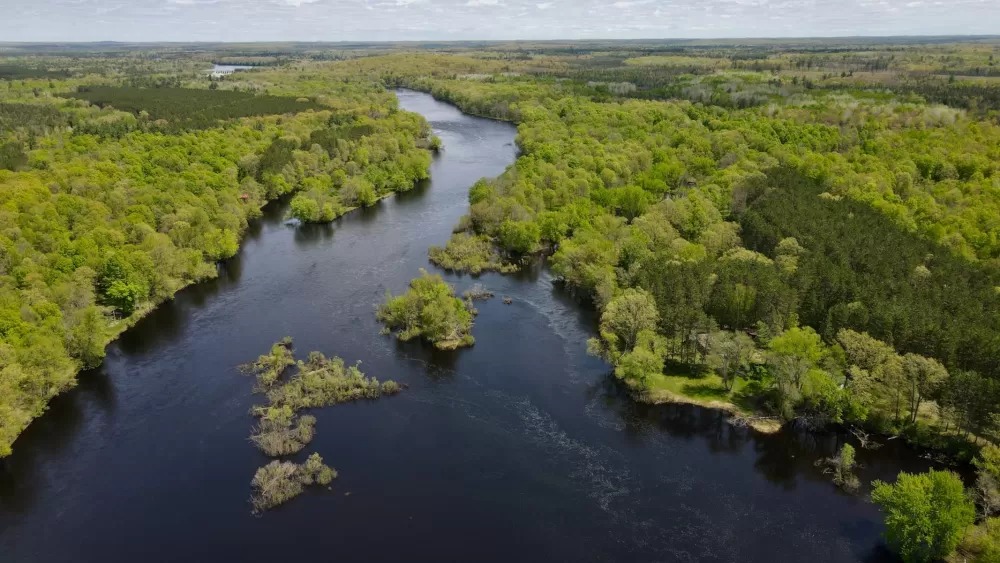
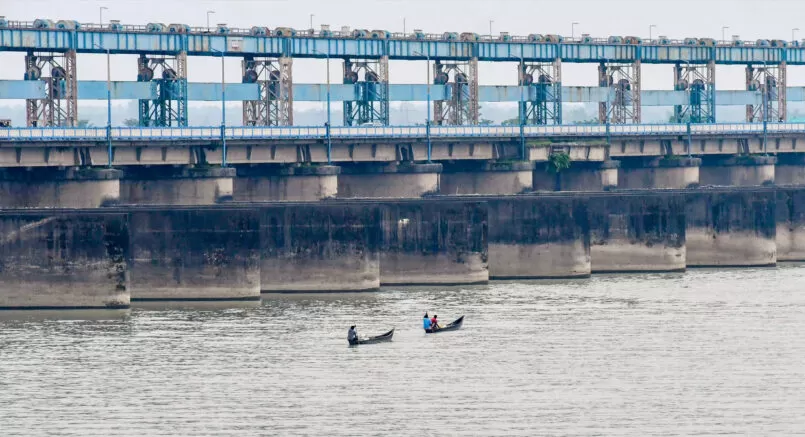
When you think of the Yangtze and the Mekong, you probably picture massive waterways carving through bustling cities and quiet villages alike. Yet, beneath the surface of those iconic rivers lies a growing worry: pollution, over‑extraction, and climate‑driven shifts that threaten both ecosystems and the people who depend on them.
Enter a surprising cast of protagonists – a handful of university students, recent grads, and community volunteers from China, Vietnam, Laos, Thailand, and beyond. These young people have banded together, not just because they share a love of rivers, but because they’ve realized that the challenges they face don’t stop at a national border.
Last month, the group unveiled what they call the “Green Code,” a loosely‑structured yet powerful framework that fuses low‑cost water‑quality sensors, citizen‑science apps, and age‑old river‑bank stewardship practices. In practice, it looks like a teenager in Hanoi attaching a sensor to a fishing net, while a peer in Shanghai uploads the data to a shared dashboard that visualizes turbidity, temperature, and dissolved oxygen in real‑time. The dashboard, hosted on a cloud platform, instantly flags anomalies – say, a sudden spike in nitrates downstream of an industrial zone – and sends alerts to local NGOs and municipal authorities.
What makes the effort feel genuinely groundbreaking isn’t just the tech. It’s the way the youth are weaving cultural narratives into the data story. They’ve organized river‑clean‑up festivals, filmed short documentaries that pair traditional folklore with modern environmental science, and even composed a cross‑border folk‑rock song titled “Flow.” Those artistic touches keep the momentum alive, especially in rural hamlets where a spreadsheet might feel out of place.
The initiative’s first milestone came just weeks after its launch: a coordinated clean‑up along a 150‑kilometre stretch of the Mekong, which removed over two tonnes of plastic debris. Simultaneously, the sensor network recorded a 12 % drop in surface pollutants, a signal that community action can indeed ripple into measurable change.
Of course, it’s not all smooth sailing. Funding gaps, differing regulatory frameworks, and language barriers have forced the team to improvise. They’ve tackled these hurdles by setting up a rotating “translation hub” – essentially volunteers who translate technical manuals and data summaries into Mandarin, Vietnamese, Lao, and Thai. It’s a small step, but it’s enough to keep everyone on the same page.
Looking ahead, the coalition hopes to expand the Green Code to other river basins across Asia, perhaps even to the Ganges or the Irrawaddy. Their ambition is simple: prove that when youth cross borders – both physical and digital – they can rewrite the script for river stewardship, one sensor, one song, and one clean‑up at a time.
- India
- Pakistan
- News
- Australia
- Singapore
- Environment
- EnvironmentNews
- China
- NewZealand
- Japan
- SriLanka
- SouthKorea
- Bhutan
- Malaysia
- Indonesia
- Maldives
- HongKong
- Afghanistan
- GreenTechnology
- Nepal
- Bangladesh
- Thailand
- Mongolia
- Brunei
- Philippines
- Cambodia
- Fiji
- RiverConservation
- CrossBorderCollaboration
- MekongRiver
- YangtzeRiver
- Jiangsunow
- YouthEnvironmentalLeadership
- AsiaSustainableWaterManagement
Editorial note: Nishadil may use AI assistance for news drafting and formatting. Readers can report issues from this page, and material corrections are reviewed under our editorial standards.