Winter Asthma: Practical Tips to Breathe Easy in Cold Weather
- Nishadil
- October 22, 2026
- 0 Comments
- 2 minutes read
- 3 Views
- Save
- Follow Topic
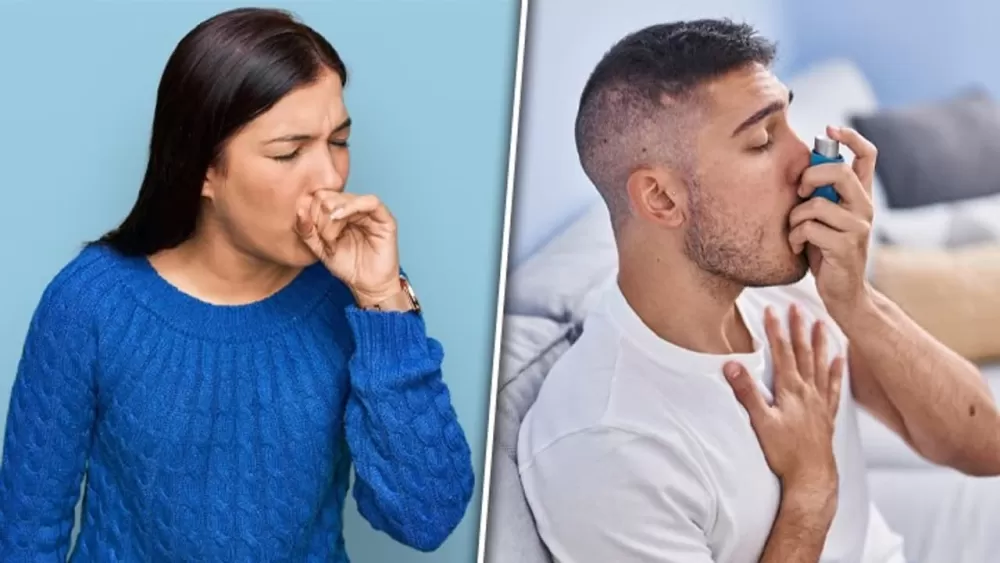
7 Simple Ways to Keep Asthma Under Control When the Temperature Drops
Cold weather can set off asthma, but a handful of everyday habits can help you stay comfortable and breathe freely throughout winter.
When the first chill of winter creeps in, many people with asthma notice a familiar tightness in the chest, a nagging cough, or that occasional wheeze. It’s not magic – cold, dry air irritates the airways, making them swell and narrow. The good news is that you don’t have to surrender to the season; a few thoughtful adjustments can make a world of difference.
1. Keep your inhalers within arm’s reach. Whether it’s a preventer or a rescue inhaler, never let a dose slip by without consulting a doctor. Even if you feel better on a milder day, the medication schedule should stay unchanged unless a professional tells you otherwise.
2. Mask up or scarf up when you step outside. A simple face covering acts like a tiny heater for the air you breathe. It reduces the shock of cold gusts, especially during early mornings or evenings when the wind is sharpest. Choose a breathable fabric and make sure it covers both nose and mouth.
3. Dress in layers and keep the core warm. Overheating isn’t the goal, but a snug sweater or fleece can prevent your throat and lungs from feeling the icy bite. Hats and gloves help too – the whole body stays warmer, which indirectly eases breathing.
4. Keep your living space dust‑free. Winter means doors stay shut, and allergens can settle in carpets, pillows, and curtains. Vacuum regularly, wipe fans, and let mattresses and cushions bask in sunlight for a few hours each week to kill mold spores.
5. Stay clear of smoke and other pollutants. Indoor smoking, incense, or even heavy cooking fumes can act as powerful triggers. If you share space with a smoker, ask them to step outside, and consider an air purifier for added protection.
6. Watch what you eat and drink. Extremely cold beverages or icy foods can shock the airway, while hot teas with ginger or honey soothe it. Hydration is key, but keep the temperature of your drinks moderate.
7. Practice good hand hygiene. Respiratory infections rise in winter, and a simple cold can aggravate asthma. Wash your hands often, use sanitizer, and avoid touching your face after being in public places.
Finally, if you notice persistent coughing, wheezing, or nighttime breathlessness—especially in children—seek medical advice promptly. Early intervention prevents a minor flare‑up from becoming a serious attack.
By staying proactive, keeping your environment clean, and never skipping prescribed medication, you can enjoy the season’s cozy moments without the constant fear of an asthma episode.
Editorial note: Nishadil may use AI assistance for news drafting and formatting. Readers can report issues from this page, and material corrections are reviewed under our editorial standards.