
Why Some People End Up Left‑Handed: The Role of Early Hand‑Use Practice
- Nishadil
- July 06, 2026
- 0 Comments
- 2 minutes read
- 21 Views
- Save
- Follow Topic
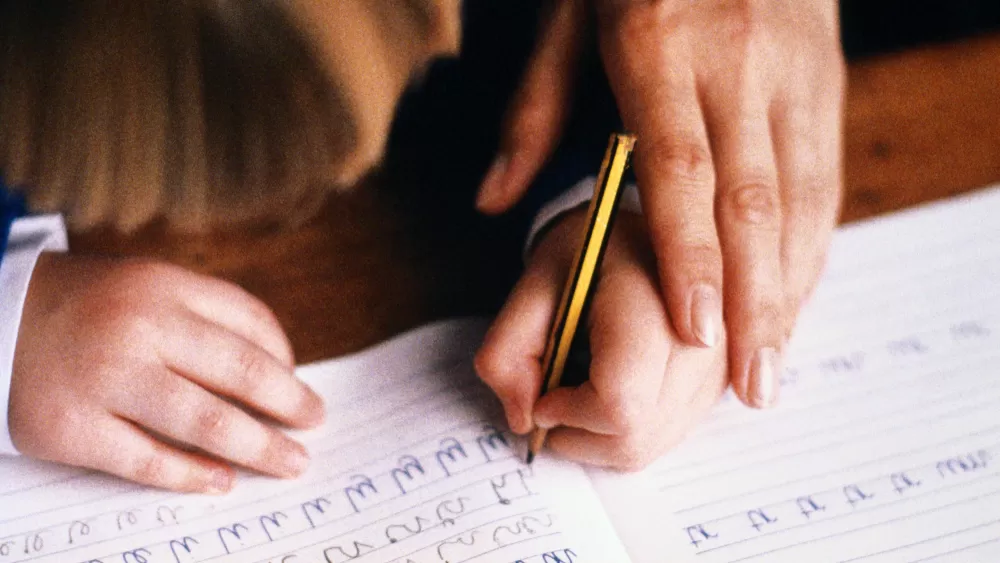
Scientists suggest that insufficient right‑hand practice in childhood can tilt you toward left‑handedness
New research indicates that handedness may be shaped by how much kids practice using their right hand early on, challenging the idea that it’s purely genetic.
When you watch a toddler wrestle with a crayon, it’s easy to assume that the hand they pick up the stick with is set in stone. For decades, scientists have leaned heavily on genetics to explain why roughly 10 % of the population ends up left‑handed. But a fresh set of studies is nudging us to reconsider that narrative.
Researchers from several universities observed that children who weren’t encouraged—or who simply didn’t get the chance—to practice right‑handed tasks like writing or eating with a spoon were more likely to stick with their left hand later in life. The idea sounds almost counter‑intuitive: the less you train the right side, the more the left side claims the spotlight. Yet, brain imaging showed that the neural pathways governing the non‑dominant hand stayed stronger when the dominant hand wasn’t given enough workout.
It’s not that a gene suddenly flips a switch. Rather, the brain’s plastic nature means it can rewire itself based on experience, especially in those first few years when motor skills are still being hammered out. In the lab, kids who practiced using their right hand for a few minutes each day showed a subtle shift in hand preference, while those who got no such practice kept leaning left.
That doesn’t mean every left‑handed adult missed out on right‑hand drills. Culture, schooling, and even parental expectations play a part. In many societies, left‑handedness has historically been discouraged, pushing some children to adapt to right‑handed tools regardless of their natural inclination. The new findings simply add another layer: the absence of early right‑hand training can reinforce a left‑hand bias.
What does this mean for parents and educators? It isn’t a call to force every child to write with the right hand, but rather a reminder that offering balanced opportunities—letting kids experiment with both hands—might give their brains a richer palette of motor options. After all, flexibility in hand use can be a handy skill in itself.
So next time you see a youngster stubbornly holding a pencil in their left hand, consider that it might not just be a quirk of DNA. It could be the quiet result of years—maybe even months—without a gentle nudge toward the right. And that, in the end, is a reminder of how much our early experiences shape the way we navigate the world.
Editorial note: Nishadil may use AI assistance for news drafting and formatting. Readers can report issues from this page, and material corrections are reviewed under our editorial standards.


