Why Chris Wood Thinks an AI Crash Might Be the Only Way to Lure Foreign Money Back to India
- Nishadil
- September 19, 2026
- 0 Comments
- 3 minutes read
- 10 Views
- Save
- Follow Topic

Jefferies' Chris Wood warns that the AI‑driven semiconductor boom could implode, reshaping global capital flows and offering a glimmer of hope for Indian investors
Jefferies’ equity strategist Chris Wood explains how soaring AI‑related capex in the US, rising Treasury yields and a semiconductor surge in Korea and Taiwan are pulling foreign money away from India – and why an AI implosion might be the only catalyst to bring it back.
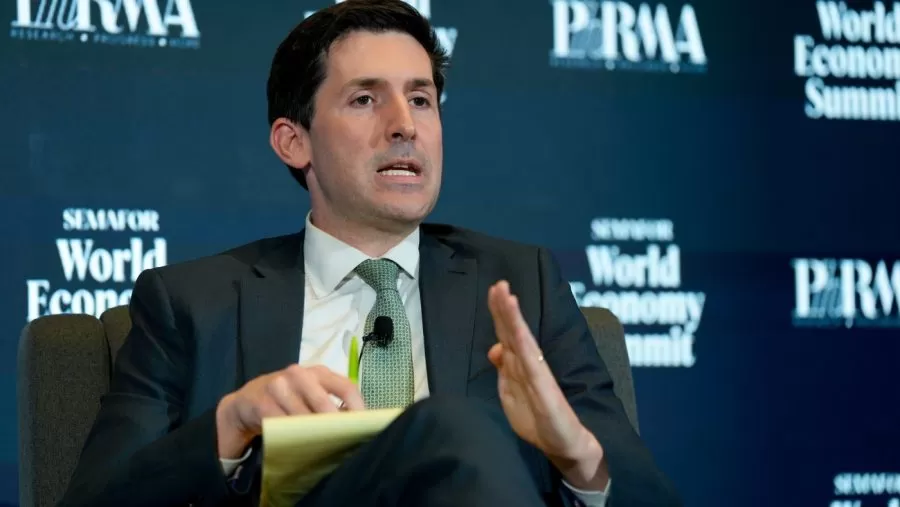
When you ask Chris Wood, the global head of equity strategy at Jefferies, about where the world’s money is sprinting today, he points a finger at two things: AI‑fueled semiconductor spending and a bond market that’s flirting with a 5% 10‑year Treasury yield. Those two forces, he says, have turned Korea and Taiwan into magnet towns for investors, while India is left scratching its head, watching the rupee wobble and foreign flows drift away.
“Three months ago I didn’t think the Fed would hike again,” Wood admits, “but in the last few weeks the market behaved as if a hike was inevitable.” He explains that the real headline here isn’t the rate hike itself, but the fact that the Treasury market stayed remarkably calm. If the 10‑year had ripped past 5% in a panic, equity markets—especially in the US—would have taken a hard hit.
And yet, the United States is still riding a wave of exuberance, all thanks to an AI‑driven capital‑expenditure binge that’s pumping earnings for chip makers. The big tech giants—what Wood calls “hyperscalers”—are splashing out roughly $1 trillion on AI gear next year, up from $700 billion this year. That money, he says, translates almost dollar‑for‑dollar into profit for the semiconductor industry, creating what might be the biggest chip cycle ever.
But Wood sounds a warning note. “At some point the market will ask whether these hyperscalers are actually getting a decent return on all that spend,” he says. The answer, in his view, could be a big, ugly “no.” The AI capex spree is front‑loaded; the tech firms are buying now, but they’re financing the purchases with debt at around 5.5% borrowing costs, not with cash. In other words, the easy money that financed the first three years is fading, and the rest will be shouldered by corporate bonds that are now competing for the same pool of funding that the Treasury needs.
That competition, Wood warns, could spark a “major credit event” if the tide turns. He even jokes that the “easy money” from AI has already been squeezed out of the semiconductor rally, suggesting that private investors might be wise to lock in some profits now.
So what does this mean for India? The country remains one of the strongest structural growth stories in the emerging‑market universe, but it faces a double‑edged sword. On the upside, private‑sector capex is finally picking up, credit growth is ticking higher and mutual‑fund inflows remain solid. On the downside, a weaker rupee and higher global yields make foreign capital skittish.
Wood believes the most interesting play for foreign investors in India lies in the small‑ and mid‑cap arena. Those companies, he notes, are still relatively insulated from the “equity supply” pressure that is capping the larger indices. Yet, unless something shakes the AI hype—an “AI implosion,” as he puts it—there won’t be a dramatic reversal in capital flows back to India.
In short, the global investment stage is now set: AI and semiconductors are stealing the limelight, bond yields are perched on a knife‑edge, and India is waiting for a shock‑wave that could finally draw the world’s money home.
Editorial note: Nishadil may use AI assistance for news drafting and formatting. Readers can report issues from this page, and material corrections are reviewed under our editorial standards.