WHO Labels Congo Ebola Outbreak a Global Health Emergency as Death Toll Surpasses 80
- Nishadil
- May 17, 2026
- 0 Comments
- 4 minutes read
- 17 Views
- Save
- Follow Topic

Congo’s deadly Ebola flare‑up escalates, prompting WHO to trigger a worldwide emergency response
The World Health Organization has declared a global health emergency for the Ebola outbreak in the Democratic Republic of Congo after more than 80 deaths, urging intensified vaccination and containment efforts.
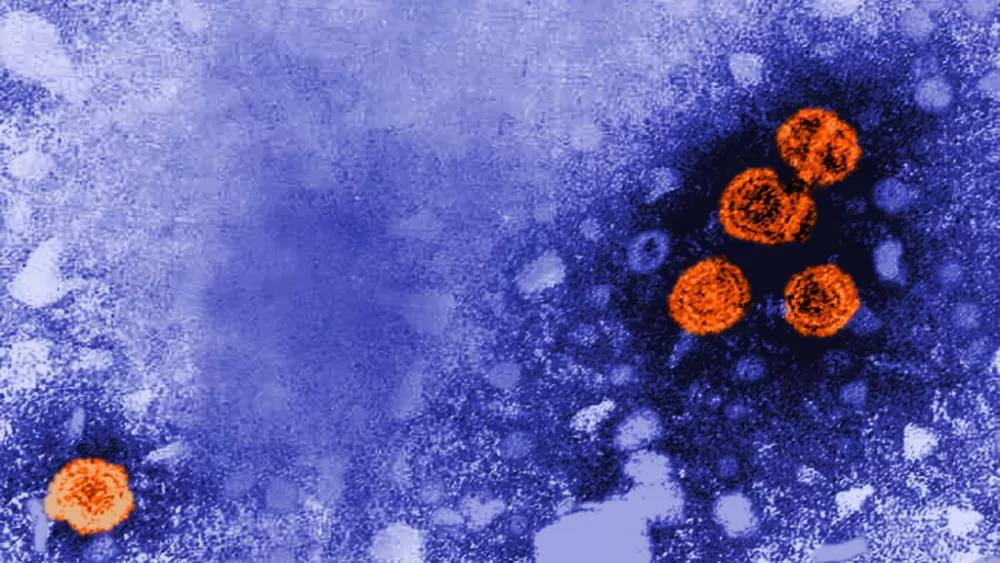
On Thursday, the World Health Organization (WHO) took the dramatic step of classifying the ongoing Ebola outbreak in the Democratic Republic of Congo (DRC) as a “Public Health Emergency of International Concern.” It’s a phrase you don’t hear every day, but the numbers behind it are sobering – the virus has already claimed over 80 lives, and officials fear the toll could climb even higher if swift action isn’t taken.
The epicenter lies in the eastern provinces of North Kivu and Ituri, regions already scarred by conflict and displaced populations. Health workers on the ground describe a grim scene: makeshift treatment centres bustling with patients, families grappling with loss, and a fragile health system stretched thin. “It feels like we’re running a marathon that never ends,” one local nurse whispered, eyes weary but resolute.
Why the emergency declaration now? WHO’s Emergency Committee noted that the outbreak’s spread is outpacing the capacity of local response teams, and that cases have been reported in districts previously untouched by the virus. In addition, the fatality rate – hovering around 50 % in recent weeks – is alarming, especially when coupled with limited access to safe burial practices and inadequate contact‑tracing.
Vaccination, which proved a game‑changer in the 2018‑2020 West Africa crisis, is back in the spotlight. The rVSV‑ZEBOV vaccine, already stockpiled by the WHO, is being rolled out in a “ring vaccination” strategy – vaccinating contacts of confirmed patients and their contacts in turn. So far, more than 7,000 people have received at least one dose, but experts say that figure needs to leap into the tens of thousands to create a meaningful buffer.
But it’s not just about shots. The emergency declaration unlocks a cascade of resources: additional funding, deployment of rapid‑response teams, and accelerated procurement of diagnostics and personal protective equipment. The United Nations Children’s Fund (UNICEF) and the International Federation of Red Cross and Red Crescent Societies (IFRC) have already pledged support, while neighboring countries are on standby to assist with cross‑border surveillance.
There are, of course, challenges that feel almost insurmountable. Ongoing armed conflict hampers movement of health workers, and mistrust of authorities sometimes leads communities to hide cases. “We keep hearing rumors that the vaccine is a poison,” a community leader explained, highlighting the urgent need for culturally sensitive communication campaigns.
Despite the grim headlines, there are glimmers of hope. In the past month, the number of new confirmed cases has begun to plateau, suggesting that containment measures may be gaining traction. Moreover, a recent study published by the WHO indicates that the vaccine’s efficacy remains high even when administered weeks after exposure – a reassuring datapoint for those still on the fence.
Looking ahead, WHO stresses that the emergency status is not a permanent label but a call to action. The goal, as outlined in the emergency committee’s report, is to bring the outbreak under control within six months, restore trust in health services, and ensure that no new flare‑ups catch the region off guard.
For the families grieving lost loved ones, the declaration offers a bittersweet mix of validation and urgency. “If this means the world finally pays attention, then maybe we won’t have to watch another child die in silence,” a mother from North Kivu said, voice trembling.
In short, the situation remains fluid, but the WHO’s decisive move signals that the international community is ready to rally – vaccines, funds, expertise, and most importantly, the will to stop Ebola in its tracks before it spreads beyond the borders of the DRC.
- India
- News
- Crime
- CrimeNews
- WorldHealthOrganization
- PublicHealthEmergency
- GlobalHealthCrisis
- DemocraticRepublicOfTheCongo
- EbolaOutbreak
- IturiProvince
- AfricaCdc
- CongoEbolaOutbreak
- BundibugyoStrainEbola
- EbolaOutbreakDrCongo
- WhoEmergencyDeclaration
- EbolaVaccineRvsvZebov
- NorthKivuIturi
- EbolaDeathToll
- ContactTracingCongo
- InternationalHealthResponse
Editorial note: Nishadil may use AI assistance for news drafting and formatting. Readers can report issues from this page, and material corrections are reviewed under our editorial standards.