When Roads Betray: The Unspoken Tragedies on India's Highways
- Nishadil
- November 11, 2025
- 0 Comments
- 3 minutes read
- 61 Views
- Save
- Follow Topic

SC Demands Answers After Rajasthan's Deadly Road Blunder
Fifteen lives extinguished in a horrific road accident in Phalodi, Rajasthan, have pushed the Supreme Court to intervene, demanding swift accountability from national road authorities for what many see as a tragically preventable disaster stemming from poor highway design and signage.
Another day, another grim headline. Fifteen lives, tragically cut short in a blink, near Phalodi, Rajasthan. It's a number that feels both chillingly familiar and utterly devastating, isn't it? A head-on collision, a truck veering into a tempo, souls gone in an instant. And honestly, it’s not just the immediate horror of the crash; it’s the insidious, underlying systemic failures that make these tragedies so agonizingly preventable.
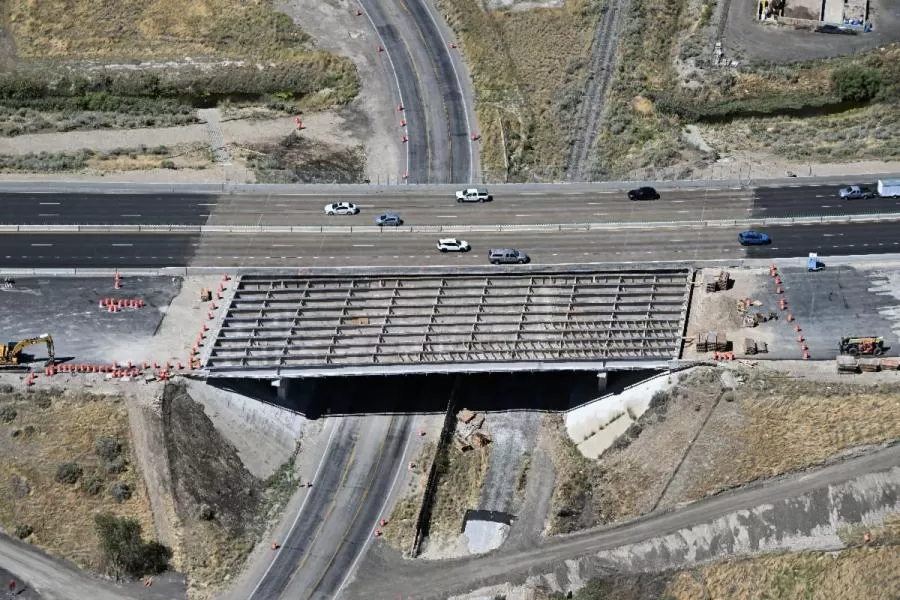
You see, this wasn’t just a random act of fate. The truck, it turns out, was on the wrong side of a newly constructed bypass. But here’s the kicker, the truly frustrating bit: inadequate, perhaps even non-existent, signage. How do you build a road, a modern marvel, only to leave its users guessing which way to go? It’s a question that haunts the families left behind, a silent scream against negligence.
Mercifully, some institutions still listen. The Supreme Court of India, for once, took matters into its own hands – suo motu cognizance, as they call it. This wasn't a petition; it was a righteous, judicial outcry. They've demanded answers, and swiftly, from the National Highways Authority of India (NHAI) and the Ministry of Road Transport and Highways. And frankly, it’s about time.
The Justices, they didn’t mince words. There’s a palpable concern, you could say an exasperation, about the relentless surge in road accidents across the nation. They highlighted the usual culprits, of course: those missing signboards, the woefully inadequate lighting on crucial stretches, and yes, the ever-present menace of vehicles driving on the wrong side. But it's more than that; it’s a culture, a deep-seated indifference to safety that seems to pervade.
This isn't new territory for the court, either. They referenced the Justice K.S. Radhakrishnan committee's report on road safety from way back in 2014. A report, mind you, that detailed a whole host of recommendations for making our roads safer. So, the question naturally arises: what happened? Why, after all these years, are we still mourning 15 lives in Phalodi because of issues that were supposedly identified and, in theory, addressable?
The court has now given the authorities a mere two weeks – a tight deadline, but an absolutely necessary one – to respond. To detail the steps they're taking, or planning to take, to prevent such catastrophic incidents from ever happening again. It’s a stark reminder, truly, that these aren't just statistics; they are parents, children, siblings, friends. And their safety, their very lives, depend on the commitment, the urgency, and frankly, the humanity of those who build and maintain our paths forward.
Editorial note: Nishadil may use AI assistance for news drafting and formatting. Readers can report issues from this page, and material corrections are reviewed under our editorial standards.