When Rhetoric Meets Reality: Unraveling the Panama Canal Controversy
- Nishadil
- January 30, 2026
- 0 Comments
- 3 minutes read
- 45 Views
- Save
- Follow Topic

Sorting Out the Story: What's Really Going on with China and the Panama Canal, Beyond the Headlines
Recent statements about China's influence over the Panama Canal have sparked debate. This article dives into the facts, separating political rhetoric from the complex geopolitical realities of this crucial waterway.
Remember that old adage about facts being stubborn things? Well, it feels particularly apt when you start untangling recent political chatter surrounding one of the world's most vital maritime arteries: the Panama Canal. Specifically, a narrative suggesting that China, through some mysterious "court ruling," has effectively taken ownership or control of this crucial waterway. It’s a bold claim, to say the least, and one that really demands a closer look.
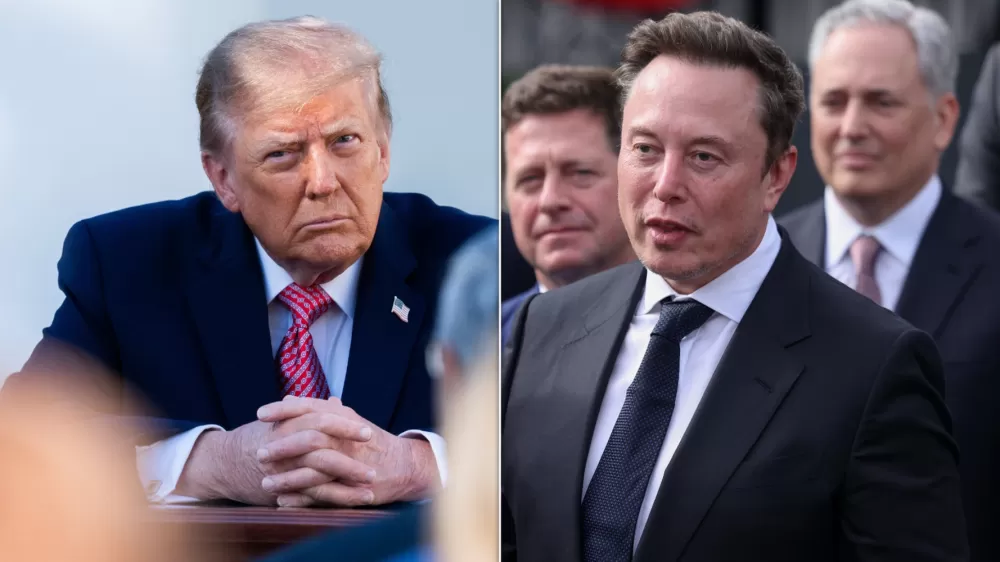
The gist of the matter began with former President Donald Trump’s assertions. He spoke of a supposed court ruling that somehow granted China immense power, perhaps even control, over the Panama Canal. Now, for anyone tracking international relations or, you know, just basic geography, that kind of statement tends to raise an eyebrow or two. Because, in reality, the canal – that incredible feat of engineering connecting the Atlantic and Pacific – remains firmly under Panamanian sovereignty. It’s their territory, their asset, managed by their own Panama Canal Authority.
So, where does China actually fit into this picture, if at all? And where might this "court ruling" idea have come from? Well, it’s a classic case of conflating some very real, albeit less dramatic, economic influence with outright ownership. For decades, a Hong Kong-based company called Hutchison Ports has operated significant port facilities at both ends of the canal. We’re talking about terminal management, loading and unloading cargo, that sort of thing. They’ve been doing this since the late 1990s, winning bids fair and square. But operating ports near the canal is a far cry from owning the canal itself, isn't it?
It's crucial to understand this distinction. China, through companies like Hutchison, does have substantial investments and interests across Latin America and, indeed, globally. They manage ports in many countries. This is part of their broader Belt and Road Initiative and their global trade strategy. There's no denying that China's economic footprint is expanding. But mistaking commercial port operations for seizing control of an entire sovereign canal, especially via a non-existent "court ruling," that’s where the narrative goes off the rails.
Think about it: such a "ruling" would represent an absolutely monumental shift in international law and geopolitics, something that would send shockwaves across the globe. Yet, there has been absolutely no official recognition, no major international headlines, no diplomatic uproar about any such judgment. This absence speaks volumes, suggesting that the "court ruling" element was, shall we say, a creative addition to the narrative, rather than a factual basis.
Ultimately, the discussion around the Panama Canal highlights a recurring theme in modern political discourse: the delicate balance between legitimate concerns about geopolitical influence and the potential for misinformation to take root. Yes, it's wise to monitor foreign investments and influence in critical infrastructure. Absolutely. But it’s equally, if not more, important to ground these discussions in verifiable facts, lest we find ourselves navigating a sea of unfounded claims rather than the reality of international affairs. Because, let’s face it, getting the facts straight really does matter.
Editorial note: Nishadil may use AI assistance for news drafting and formatting. Readers can report issues from this page, and material corrections are reviewed under our editorial standards.