When Music Worlds Collide: Why Nashville Balked at Queen Bey
- Nishadil
- December 04, 2025
- 0 Comments
- 3 minutes read
- 65 Views
- Save
- Follow Topic

Breland on Why Nashville Wasn't Ready for Beyoncé's Country Soul
Country artist Breland offers his unique perspective on why Beyoncé's 'Daddy Lessons' faced an uphill battle for acceptance within Nashville's traditional music circles, highlighting the genre's deeply ingrained gatekeeping.
Remember back in 2016, when Beyoncé, of all people, dropped "Daddy Lessons" on us? It was this unexpected, twangy track tucked into Lemonade, an album that already blew everyone's minds. The world buzzed, right? But here's the thing: while fans were absolutely losing it over this bold, genre-bending move, Nashville, the very heartland of country music, seemed to just… shrug. Or, perhaps, turn a cold shoulder entirely. It felt a little off, didn't it? Like a major disconnect.
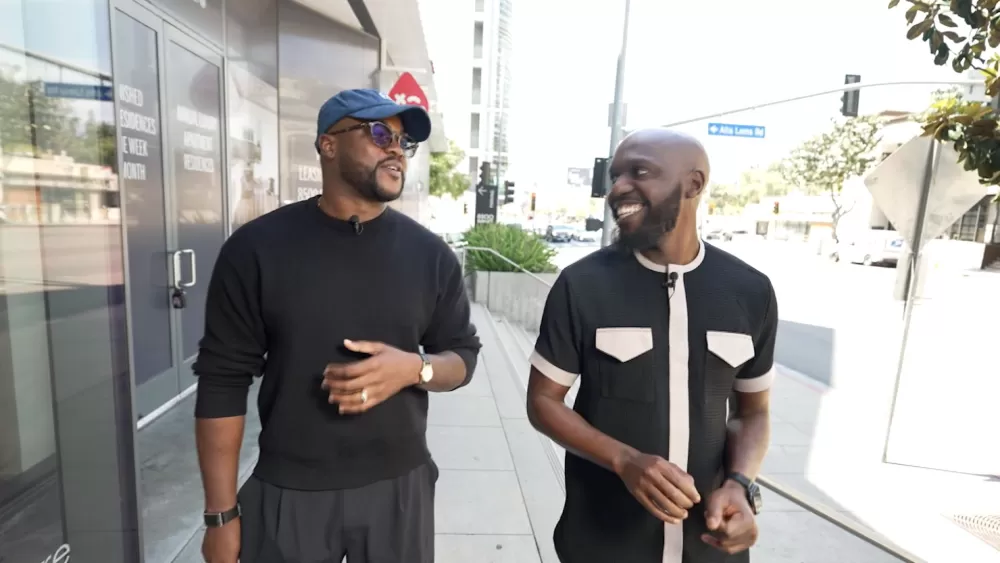
Now, someone who understands this particular cultural friction better than most is Breland. He's an artist himself, carving out his own space in country music, blending genres in a way that, frankly, is pretty innovative. And he's Black, which, let's be real, adds another layer of lived experience to his observations about the genre. When he speaks about why Nashville might not have embraced Beyoncé's foray into country, you really listen. He offers this incredibly candid, almost surgical breakdown of the situation, suggesting it wasn't about Beyoncé's talent – because come on, it’s Beyoncé – but about something much deeper within the genre's fabric.
Breland points to what many of us have suspected for ages: country music, especially in its Nashville stronghold, has its very own set of unspoken rules, its "gatekeepers." These are the folks who, consciously or not, define what is and what isn't "country enough." And for a long time, that definition has been incredibly narrow, rooted in tradition and, let's just say it, a certain demographic. A global superstar like Beyoncé, bringing her undeniable gravitas and a sound that didn't neatly fit into a pre-approved box, was simply too much of a shake-up for some. It threatened the established order, you know?
It's fascinating, because part of the resistance felt like it stemmed from a bizarre "authenticity" debate. As if Beyoncé, a Texas native, couldn't possibly have country roots, or that her version wasn't "real" enough. Think about it: a Black woman, arguably the biggest pop star on the planet, stepping into a genre often seen as predominantly white and conservative. That was, for some, a bridge too far. Nashville wasn't just unprepared for her, Breland suggests; perhaps they were actively unwilling to make space. It wasn't just about a song; it was about the very identity of country music itself and who gets to claim it.
This isn't just an anecdote about one song or one artist, though. It really speaks to the broader, ongoing conversation about inclusivity within country music. Breland, in his own work, continues to push those boundaries, much like Beyoncé did with "Daddy Lessons." Her moment, even if initially rejected by some, planted a seed. It made people talk. It made people question. And slowly, ever so slowly, the landscape is shifting. While Nashville might not have rolled out the red carpet for Queen Bey back then, her audacious move undoubtedly contributed to the gradual, sometimes painful, evolution we're seeing today in a genre that's finally, grudgingly, starting to widen its embrace. It’s a journey, for sure, and one that's still unfolding.
Editorial note: Nishadil may use AI assistance for news drafting and formatting. Readers can report issues from this page, and material corrections are reviewed under our editorial standards.