When Geopolitical Tensions Ran High: Trump's Infrastructure Warning to Iran
- Nishadil
- April 06, 2026
- 0 Comments
- 2 minutes read
- 24 Views
- Save
- Follow Topic

Trump's Unambiguous Threat: Iran's Infrastructure at Risk Over Strait of Hormuz
Amidst escalating tensions, then-President Donald Trump issued a stern warning to Iran, threatening to strike its infrastructure if the critical Strait of Hormuz was closed or obstructed.
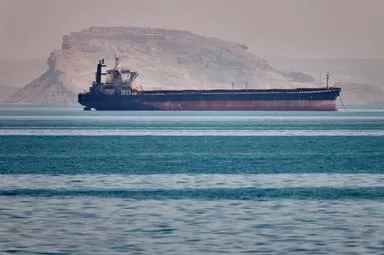
Back when geopolitical tensions were really heating up, then-U.S. President Donald Trump made a very stark declaration, warning Iran of potentially devastating consequences. The core of his message was simple yet incredibly serious: if Iran, for any reason, attempted to close the Strait of Hormuz—a crucial artery for global oil shipments—the United States would not hesitate to retaliate by striking Iranian infrastructure.
You see, this wasn't just some casual remark; it was a direct threat, born out of escalating friction between Washington and Tehran. The Strait of Hormuz, nestled between Iran and Oman, is incredibly strategic. A staggering amount of the world's seaborne oil passes through its narrow waters every single day. So, any disruption there, as you can imagine, would send shockwaves through the global economy, impacting everything from fuel prices to international trade.
The context for Trump's warning is important. There had been rumblings, even outright threats, from Iranian officials themselves. They had, at various points, suggested the possibility of blocking the strait as a countermeasure against American sanctions, which were, let's be honest, putting immense pressure on their economy. It was a classic tit-for-tat escalation, where each side was pushing the boundaries.
President Trump's response, delivered with his characteristic bluntness, was meant to leave absolutely no room for misinterpretation. He essentially conveyed that such a move by Iran would be met with overwhelming force, and that Iran would indeed "pay a very heavy price." The implications were clear: if oil shipments were impeded, the U.S. was prepared to take decisive military action against key Iranian facilities.
It's worth remembering how volatile that period was. Both sides were locked in a dangerous dance, with rhetoric often running hot. This particular threat highlighted the extreme lengths to which the U.S. was willing to go to ensure the free flow of oil and maintain regional stability, even if it meant risking direct confrontation. The world, undoubtedly, held its breath, acutely aware of the potential for a crisis that could easily spill over into a much wider conflict.
Editorial note: Nishadil may use AI assistance for news drafting and formatting. Readers can report issues from this page, and material corrections are reviewed under our editorial standards.