What Trump’s Recent China Visit Reveals About U.S. Policy
- Nishadil
- May 18, 2026
- 0 Comments
- 3 minutes read
- 18 Views
- Save
- Follow Topic

Key Takeaways from Donald Trump’s Trip to China amid Iran Tensions, Taiwan Concerns and Global Uncertainty
Donald Trump’s latest swing through Beijing sparked fresh debates on trade, security and diplomatic strategy. Here’s what the stopover says about America’s stance toward China, Iran, Taiwan and the broader geopolitical landscape.
When former President Donald Trump touched down in Beijing last week, the world watched with a mixture of curiosity and wariness. It wasn’t just another diplomatic pit stop; it felt like a test run for a possible new direction in U.S. foreign policy, especially as Washington juggles simmering tensions with Iran, the ever‑volatile Taiwan question, and a sluggish global economy.
First, the obvious: Trump sat down with Chinese President Xi Jinping for a series of private talks that, by all accounts, were more informal than the tightly scripted meetings we’re used to seeing in state visits. The former president leaned into his trademark bluntness, calling for “fair trade” and suggesting that both sides could “make a deal that works for everybody” if they cut the bureaucracy. While no signed agreements emerged, the tone itself was a subtle shift from the more confrontational rhetoric that dominated the Biden administration’s approach.
Beyond trade, the conversation slipped into security. Trump raised the issue of Taiwan multiple times, reminding Xi that any aggressive move would be met with “a strong response” from the United States. He didn’t spell out specifics, but his warning carried the weight of a man who once held the nuclear football in his hands. For many observers, that was the most striking moment – a clear signal that Washington may be willing to revisit the gray zone strategy it has employed over the past few years.
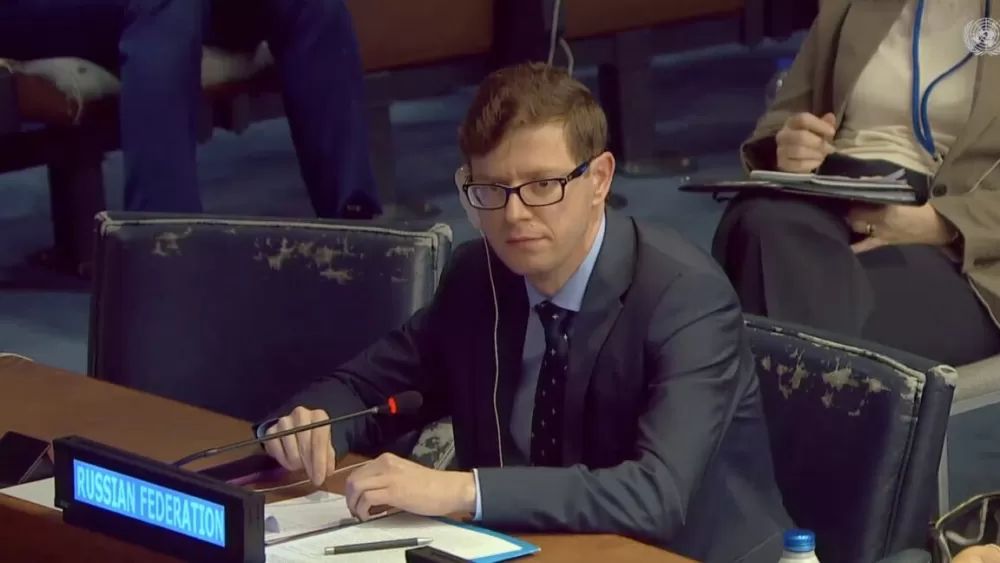
Meanwhile, Iran lingered in the background. The former president referenced the 2023 nuclear talks, insisting that “the deal has to be fair to all parties, especially the American people.” He hinted at a willingness to re‑engage, provided Tehran drops its ballistic missile program and eases its support for proxy groups in the region. It’s a position that dovetails with the Trump‑era belief that the United Nations and multilateral frameworks often muddle rather than clarify America’s objectives.
Trade, security, Iran – all of these themes intersected with one another in a way that felt almost accidental. Trump’s mention of a “new trade framework” that could include tech transfers and a “balanced” approach to intellectual‑property rights suggested that he may be eyeing a broader, perhaps more flexible, trade architecture than the tariffs‑heavy playbook of his first term.
Of course, not everything was rosy. Critics on both sides of the aisle pointed out that Trump’s lack of a concrete agenda left room for speculation, and some Chinese officials reportedly grew impatient with the former president’s habit of “talking in circles.” Yet, the very fact that the two leaders sat across from each other – without a formal press conference – underscored a willingness to engage on a personal level, something that has been missing from recent diplomatic exchanges.
In the end, the trip may be less about immediate outcomes and more about setting a tone for future negotiations. Whether that tone leads to a softer stance on China, a firmer hand on Taiwan, or a renewed push to bring Iran back to the negotiating table remains to be seen. What’s clear, however, is that Trump’s Beijing detour has re‑ignited conversations that will shape U.S. strategy for months, if not years, to come.
Editorial note: Nishadil may use AI assistance for news drafting and formatting. Readers can report issues from this page, and material corrections are reviewed under our editorial standards.