What the Bearspaw South Feeder Main Break Means for Calgary’s Water Future
- Nishadil
- September 15, 2026
- 0 Comments
- 6 minutes read
- 7 Views
- Save
- Follow Topic

A burst pipe on the Bearspaw South Feeder Main turned a quiet Bowness street into chaos and forced the city to rethink its aging water network.
When a water main burst beneath a modest hill in Bowness, residents faced flooded roads, a boil‑water advisory, and a wake‑up call about Calgary’s aging infrastructure.
Zoë Decker had always thought the little rise of earth between 16th Avenue NW and the Montgomery Safeway parking lot looked a little odd, like a misplaced knoll. “It reminded me of the grassy knoll in the JFK story,” she jokes now. But on a warm June afternoon in 2024, that "odd" spot vanished, replaced by a torrent of water that surged out of the ground as if the earth itself had split open.
The culprit was the Bearspaw South Feeder Main, an underground artery that carries roughly 60 % of Calgary’s drinking water. A sudden rupture sent a plume of water across the road, scattering rocks and debris, and turning the quiet hill into a miniature river. Decker, perhaps a little too curious, steered her car into the rising flow. “That was a mistake,” she admits, though miraculously her vehicle made it through. Most drivers, terrified, swerved into the Safeway lot and tried to find alternate routes. “It was pure pandemonium,” she recalls.
Within hours, the City of Calgary declared a boil‑water advisory for the Bowness neighbourhood. For many, including Decker, the warning sparked a cascade of questions: How long should water be boiled? Is showering still safe? The uncertainty was unsettling. “The unknown is hard to deal with when you don’t have enough information,” she says. It felt like a sudden plunge into the deep end of a problem most citizens only think about when a pipe actually bursts.
Mayor Jyoti Gondek, then just starting her first term, found herself at the centre of a storm of criticism. Some neighbours vented frustration in colorful ways—one family member even claimed the mayor herself had somehow damaged the pipe. “That was… a bit much,” Decker laughs, shaking her head at the conspiratorial gossip.
Decker wasn’t new to water crises. She had lived through Cape Town’s historic drought‑induced municipal failure in 2018, an experience she described as “the largest of its kind in modern history.” When word of a second Bearspaw failure circulated on social media in December 2025, she scrambled to warn friends and neighbours, urging them to stock up on water. Fortunately, the second break affected neighbouring communities—Parkdale, Point MacKay and Montgomery—more than Bowness, but the ripple effect was palpable: households boiled water for tea, coffee, even to wash dishes.
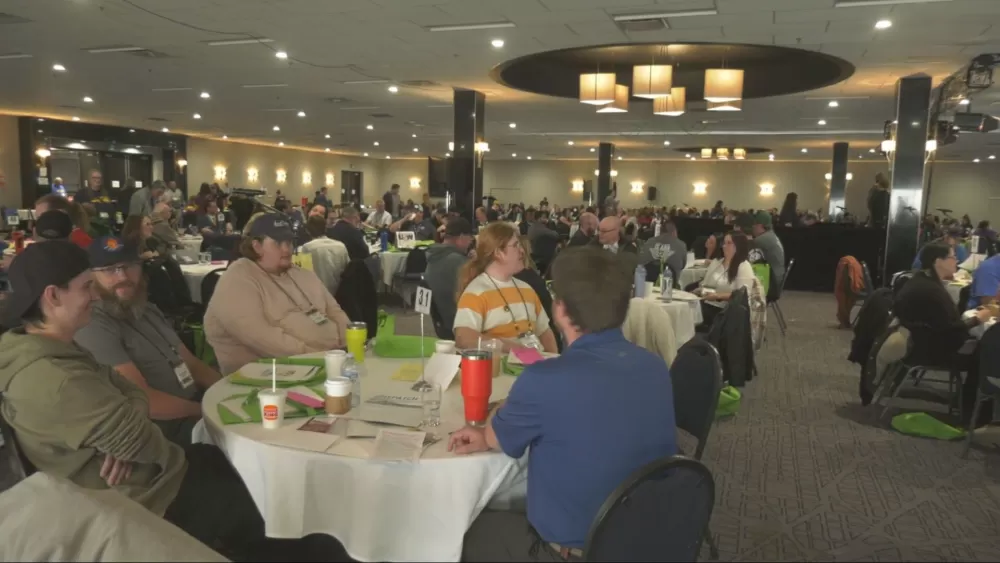
What changed between the two incidents was the city’s response. In March 2026, Calgary opened the Bearspaw South Feeder Main Community Resource Centre inside the Bowness Community Association. The space became a hub for practical updates—maps of affected zones, boil‑water instructions, and timelines for repairs. More importantly, the centre offered on‑site social workers who listened to residents’ anxieties and helped them cope with the emotional toll of a disrupted water supply.
“Infrastructure isn’t just concrete and steel; it’s about people’s peace of mind,” explains Kerry Black, Canada Research Chair in Civil Engineering at the University of Calgary. He notes that, for most citizens, water pipes stay invisible until they fail spectacularly. “You’re faced with a choice: invest proactively in something no one notices, or scramble to fix a mess when it explodes,” he says, highlighting the political tightrope cities walk.
The Bearspaw incidents have nudged Calgarians into a rare conversation about water security. “Two years ago, I could never have talked about pipes with my neighbours without them yawning,” Black observes. Now, residents are asking tough questions: How old is our network? What climate‑related stresses are we ignoring?
Climate change is reshaping the backdrop. Milder winters mean less snowpack, and reduced spring melt translates into lower river flows during summer. In plain terms, there will be less water to go around, while the population—and its appetite for water—continues to grow.
In response, Calgary rolled out a new water‑efficiency plan in April 2026. The rules are oddly specific: only half of households in a given street may water lawns on a given day, and watering is prohibited on Mondays. Car washes, window cleaning, filling hot tubs or kiddie pools are off‑limits when reservoirs dip below critical levels. Similar measures have already taken hold in Kelowna, Abbotsford and Mission, British Columbia.
But restrictions are only half the story. Black warns that the Bearspaw line is part of a broader generation of infrastructure built in the 1960s and 70s—often fast‑tracked and now approaching the end of its design life. “We’ll see more pipe bursts, more road collapses, more school renovations,” he predicts. “It’s a massive investment challenge for municipalities across Canada.”
Mayor Jeromy Farkas, who took office after the 2024 break, wasn’t entirely surprised. A major pipeline in Cochrane had ruptured just nine months earlier, a warning sign of the ticking clock on aging assets. What shocked him, however, was the sheer scale of the Bearspaw system’s importance. “I had no idea a single pipe supplied 60 % of the city’s water,” he admits, underscoring how a single point of failure can ripple through an entire urban ecosystem.
For residents like Decker, the lesson is practical as well as philosophical. Keep a modest emergency water stash, stay tuned to city communications, and be prepared for the occasional inconvenience. Yet, beyond the immediate steps, there’s a growing consensus that Calgary—and indeed all Canadian cities—must rethink how they plan, fund, and maintain the invisible networks that keep daily life flowing.
In the end, a burst pipe on a quiet hill became a catalyst. It forced a city to confront uncomfortable truths, sparked community resilience, and reminded everyone that water, while taken for granted, is a fragile resource that deserves vigilant stewardship.
- Canada
- News
- Environment
- EnvironmentNews
- SouthAfrica
- ClimateChangeImpact
- CapeTown
- BoilWaterAdvisory
- AgingInfrastructure
- UniversityOfCalgary
- JyotiGondek
- CommunityResourceCentre
- JeromyFarkas
- CalgaryWaterCrisis
- BearspawSouthFeederMain
- BearspawSouthFeeder
- FeederMain
- ZoDecker
- KerryBlack
- WaterEfficiencyPlan
Editorial note: Nishadil may use AI assistance for news drafting and formatting. Readers can report issues from this page, and material corrections are reviewed under our editorial standards.