Water Is Everywhere, Yet We Still Can’t Master Its Flow
- Nishadil
- September 06, 2026
- 0 Comments
- 5 minutes read
- 20 Views
- Save
- Follow Topic

From Indiana floods to record‑low reservoirs in the Southwest, the paradox of water abundance and scarcity is reshaping economies and daily life.
A look at how erratic water supplies—from devastating floods in Indiana to dwindling levels in Lake Mead—expose flaws in our infrastructure, pricing, and climate‑adaptation strategies.
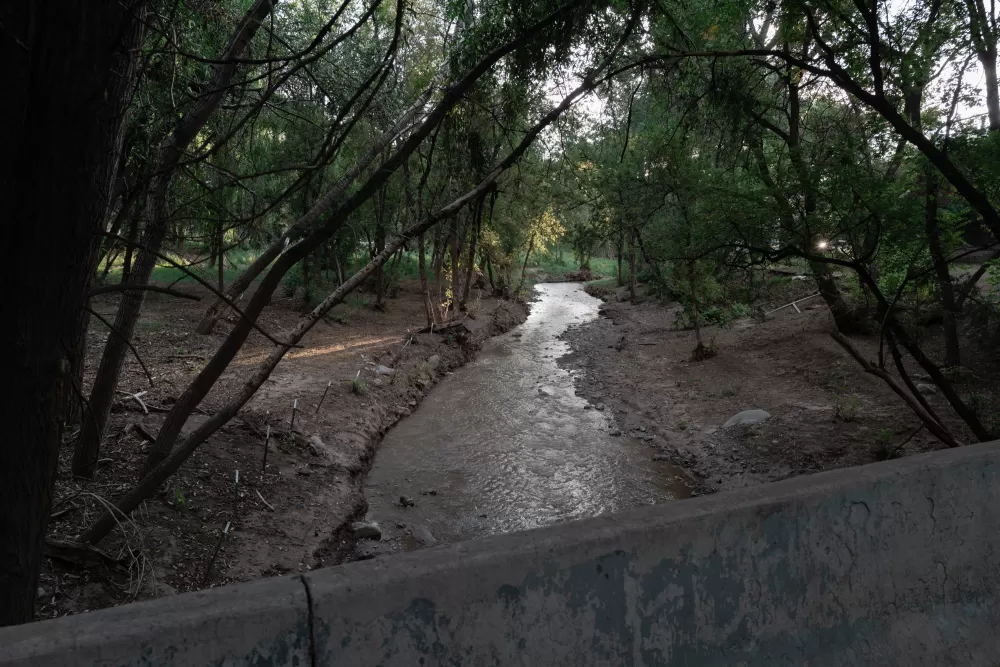
Water is everywhere. It can be a gentle trickle in a desert garden or a raging torrent that sweeps away houses. Somehow, despite centuries of engineering, we still stumble when it comes to moving that life‑giving liquid where it’s needed, when it’s needed.
Take Indiana, for example. The White River—normally a modest, scenic waterway—has burst its banks, turning streets into rivers and forcing more than a thousand families out of their homes. People have lost lives, and emergency crews are still pulling bodies from submerged basements. All the levees, flood‑plain maps, and warning systems in the world can’t stop water from spilling over the lines we draw on a map.
Now flip the scene to the arid Southwest. Lake Powell and Lake Mead, those massive reservoirs that once symbolized American water might, are hovering at historically low levels. The same water that inundated Indiana is barely a drop in those basins. The contrast feels almost like a cruel joke, but it’s a reality shaped by climate, policy, and economics.
At its core, the clash between water surplus and scarcity is an economic story. When rain is plentiful, we act as though water were free—sprinkling lawns, filling swimming pools, and running water‑intensive crops without a second thought. When the taps run dry, the commodity suddenly spikes in value, but only for the few who can afford the technology or the rights to draw it.
Our entire system—agricultural practices, municipal planning, even real‑estate development—has been built on the assumption that water will behave predictably. That assumption is eroding fast. As scarcity deepens, prices for food, energy, and even housing begin to climb, and the ripple effects hit the most vulnerable communities first.
There is a sliver of optimism on the horizon, though. Climate models are hinting at a “Super El Niño” that could dump a lot of moisture on California and neighboring states. If the storms bring snow instead of rain, the Sierra Nevada’s snowpack could swell, acting like a natural reservoir that releases water gradually through spring and summer. That slow melt would recharge groundwater and fill downstream rivers.
But the devil is in the details. If the precipitation falls as rain or the snow melts too quickly, the excess water will sprint downstream, causing flash floods and disappearing into the desert before anyone can capture it. In that scenario, the promise of a wetter winter turns into another tale of wasted potential.
Because of that uncertainty, many regions are turning to technology for answers. Desalination—once a futuristic fantasy—is now humming along coastlines worldwide. Israel, for instance, draws roughly 75 % of its drinking water from the Mediterranean, proving that the sea can be a reliable source if you’re willing to invest.
Closer to home, the Claude “Bud” Lewis Carlsbad Desalination Plant in San Diego County has become a case study in turning a water‑importer into a modest exporter. The plant uses reverse‑osmosis membranes to strip salt, then carefully manages intake and outfall to minimize harm to marine life. Modern diffuser designs, combined with stringent environmental monitoring, have reduced the ecological footprint dramatically compared to the early plants of the 1990s.
Still, desalination isn’t a silver bullet. It’s energy‑intensive, costly, and demands constant upkeep. The plant’s success hinges on diligent operations—regular membrane cleaning, proactive maintenance, and ongoing performance tweaks. Without that, the system can slip into inefficiency, driving up costs for ratepayers.
Meanwhile, the competition for water is heating up across sectors. Farmers, who traditionally consume the bulk of freshwater in the West, are feeling pressure to adopt drip irrigation, recycle runoff, or switch to less water‑thirsty crops. Urban developers are scrambling to secure rights to dwindling groundwater, sometimes buying them from farms at premium prices.
All of this creates a tangled web of trade‑offs. A farmer who plants alfalfa—a thirsty legume—might boost his short‑term profit but exacerbate regional water stress. A city that invests heavily in desalination may enjoy a steady supply but raise electricity demand, potentially stressing the grid during heat waves.
The bottom line is that water management is less about building more dams and more about rethinking how we value and allocate the resource. Pricing mechanisms that reflect true scarcity, incentives for water‑saving technologies, and robust regional cooperation could help shift the balance.
In the end, water will keep doing what water does—it will follow gravity, climate patterns, and human choices. Our job is to make sure those choices aren’t driven solely by short‑term convenience or outdated assumptions. If we can get that right, perhaps we’ll finally start treating water the way it deserves to be treated: a precious, shared lifeline, not a commodity that appears or disappears at the whim of weather.
Editorial note: Nishadil may use AI assistance for news drafting and formatting. Readers can report issues from this page, and material corrections are reviewed under our editorial standards.