Venezuela's Oil Paradox: How the Nation with the World's Richest Reserves Fell Apart
- Nishadil
- January 04, 2026
- 0 Comments
- 5 minutes read
- 47 Views
- Save
- Follow Topic
The Mystery of Venezuela: Richest Oil, Poorest People? And Why the U.S. is Knocking Again.
Venezuela sits on the planet's largest oil reserves, yet its economy is in ruins, and its people face immense hardship. This article explores the dramatic downfall, from nationalization to sanctions, and unpacks why the U.S. is now reconsidering its approach to the struggling nation.
Imagine holding the golden ticket, the winning lottery numbers, the keys to an immense treasure chest – and still finding yourself utterly broke. That, in a nutshell, is the perplexing, heartbreaking reality of Venezuela. This South American nation boasts the single largest proven oil reserves on Earth, a staggering bounty that dwarfs even Saudi Arabia's. Yet, its economy has imploded, its people are suffering through one of the worst humanitarian crises in recent memory, and millions have fled their homes seeking a better life elsewhere. How on earth did this happen? And perhaps more intriguingly, why is the United States, after years of tough sanctions, suddenly circling back?
To truly grasp this complex tragedy, we need to rewind a bit. For decades, Venezuela’s fate has been inextricably linked to its vast black gold. When Hugo Chávez came to power in 1999, riding a wave of populist sentiment, he embarked on a mission to reclaim this national wealth for the people. His government nationalized PDVSA, the state oil company, famously using its revenues to fund ambitious social programs aimed at alleviating poverty and improving healthcare and education. It sounded, on paper at least, like a dream come true for a nation often plagued by inequality.
But here's the thing about dreams: they can quickly turn into nightmares if not managed carefully. Chávez's grand vision, while well-intentioned in many respects, inadvertently sowed the seeds of future disaster. Venezuela became utterly, almost dangerously, reliant on oil. It accounted for a whopping 95% of the country's export earnings. Other vital sectors, like agriculture and manufacturing, withered away from neglect, leaving the nation with virtually no economic diversification. It was a classic case of putting all your eggs in one very oily basket.
Then came the compounding factors that sent the nation spiraling. First, and perhaps most critically, was rampant mismanagement and corruption within PDVSA itself. What was once a highly professional and efficient oil producer slowly morphed into a political tool. Competent engineers and managers were replaced by loyalists, and the company became a leaky sieve for illicit gains. Essential investments in infrastructure, maintenance, and exploration simply didn't happen. Production capabilities began to degrade, and brain drain saw countless skilled workers leave the country, taking their invaluable expertise with them.
The global oil price crash in 2014 delivered a brutal punch, exposing Venezuela's profound vulnerability. With prices plummeting, the revenue streams dried up almost overnight, leaving the government unable to fund its social programs or even maintain basic services. Hyperinflation took hold, wiping out savings and making everyday goods unaffordable. Shortages of food, medicine, and basic necessities became commonplace, creating a truly dire humanitarian catastrophe that continues to this day.
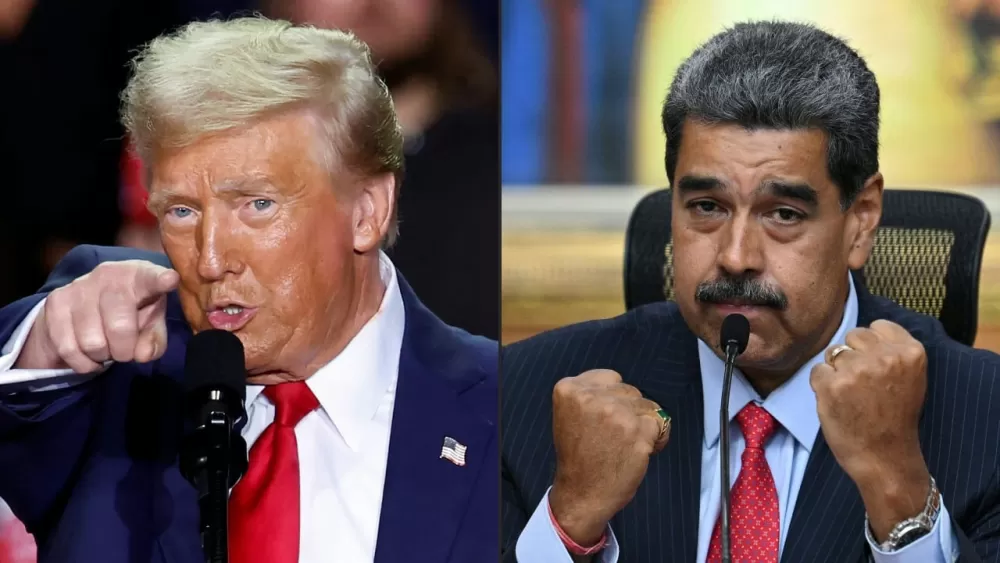
As if things weren't bad enough, the Trump administration in 2019 imposed a sweeping array of sanctions aimed at crippling the Maduro regime and forcing a democratic transition. These sanctions specifically targeted PDVSA, cutting off Venezuela's ability to sell its crude on international markets and, crucially, to acquire the vital diluents needed to process its heavy, viscous oil. While intended to pressure the government, these measures undeniably intensified the suffering of ordinary Venezuelans, making an already desperate situation even more agonizing.
So, why the sudden shift in Washington? Well, the world has changed quite a bit since 2019. Russia's war in Ukraine sent global energy markets into a tailspin, pushing oil prices sky-high and sparking fears of shortages. Suddenly, Venezuela, with its vast reserves, looked less like a pariah and more like a potential, albeit complicated, solution to a global problem. The Biden administration, facing domestic pressure over fuel costs and seeking to stabilize international markets, began to cautiously re-engage.
This re-engagement has involved easing some sanctions, notably allowing Chevron to resume limited oil extraction operations in Venezuela, though with strict conditions: the oil must go to the U.S. and no revenue directly reaches the Maduro government. The hope is that by offering some relief, Venezuela might be incentivized to move towards more free and fair elections, address its human rights record, and perhaps even loosen its ties with Russia and China. It's a delicate diplomatic dance, to say the least.
The road ahead for Venezuela remains incredibly challenging. Even if sanctions are fully lifted and international investment flows back, rebuilding the oil industry and diversifying the economy will take monumental effort, vast sums of money, and decades of stable governance. The human cost of this collapse is immense, and the scars will linger for generations. Venezuela's story serves as a stark, poignant reminder that natural wealth, no matter how immense, is never a guarantee of prosperity. It's how that wealth is managed, for whom, and with what foresight, that truly determines a nation's destiny.
Editorial note: Nishadil may use AI assistance for news drafting and formatting. Readers can report issues from this page, and material corrections are reviewed under our editorial standards.