
Venezuela's Buried Treasure: The Paradox of the World's Largest Oil Reserves
- Nishadil
- January 07, 2026
- 0 Comments
- 3 minutes read
- 56 Views
- Save
- Follow Topic
The Untold Story Behind Venezuela's Colossal Oil Wealth
Discover the intriguing yet tragic truth behind Venezuela's immense crude oil reserves and why this colossal wealth hasn't translated into prosperity for its people.
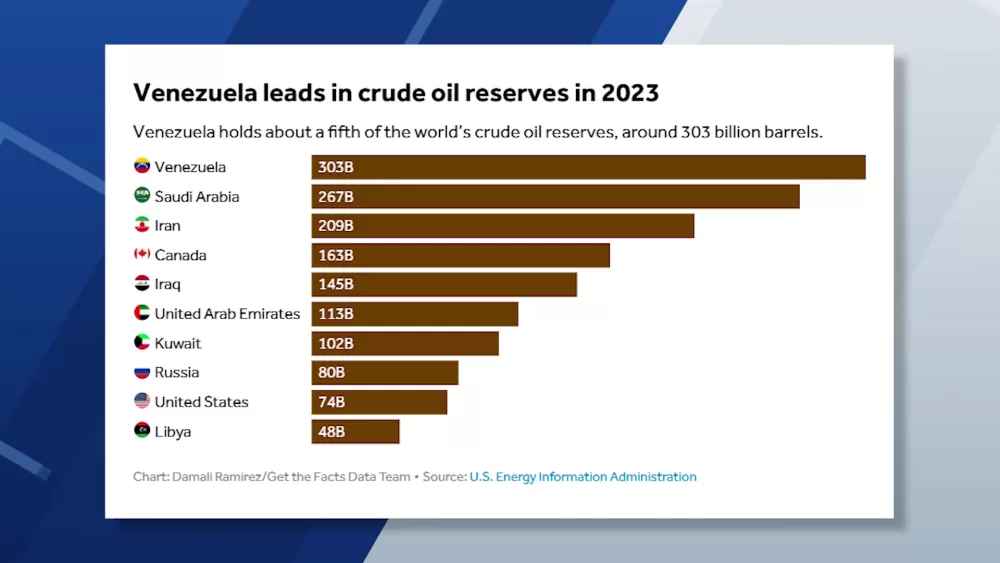
Imagine, if you will, a nation sitting atop an almost unimaginable treasure trove. A land blessed with more black gold than any other country on Earth. That's Venezuela for you, a place holding the undisputed title for the world's largest proven crude oil reserves. It’s a staggering fact, really, when you stop to think about it.
We’re talking about an estimated 300 billion barrels, possibly even more, tucked deep beneath its soil. To put that into perspective, this figure surpasses even the mighty reserves of Saudi Arabia! Most of this incredible bounty is concentrated in the Orinoco Belt, a region often described, and quite accurately so, as a massive liquid goldmine. On paper, it sounds like a dream, a guaranteed path to unending prosperity, doesn't it?
But here’s where the story takes a rather heartbreaking and profoundly complex turn. Despite this colossal subterranean wealth, Venezuela finds itself entangled in one of the most profound economic and humanitarian crises of our time. The paradox is stark: immense riches below, widespread poverty, scarcity, and hardship above. You can't help but wonder, how on earth did a nation with such incredible natural endowments end up in such a predicament?
The truth, as it often is, is far from simple. While Venezuela's reserves are indeed vast, a significant portion of that oil is what we call 'heavy crude.' Think thick, sticky molasses rather than the easy-flowing, light sweet crude that's typically easier and cheaper to extract and refine. Getting this type of oil out of the ground, transporting it, and then processing it into usable products is incredibly complex, energy-intensive, and, frankly, quite expensive. It demands specialized technology, substantial ongoing investment, and a highly skilled workforce – resources that, regrettably, have become painfully scarce in Venezuela.
Historically, Venezuela was a powerhouse in the oil world, a proud founding member of OPEC and once a major global supplier. Its oil fields hummed with activity, and petrodollars flowed, driving periods of economic growth. However, decades of political turmoil, profound mismanagement, pervasive corruption, and more recently, crippling international sanctions have taken a devastating toll. The essential infrastructure has crumbled, vital investment has dried up almost entirely, and experienced personnel, sadly, have left the country in droves, seeking opportunities elsewhere.
So, while the reserves themselves remain unequivocally the largest in the world, the ability to actually get that oil out of the ground and efficiently to market has plummeted dramatically. Production levels are now a mere shadow of what they once were, leaving Venezuela unable to fully capitalize on its most precious natural asset. It's a bit like having a vault overflowing with gold but no key to open it, or perhaps, the mechanism to open it is broken beyond repair and no one seems to know how to fix it.
The narrative of Venezuela serves as a powerful, albeit tragic, reminder that natural resources alone don't guarantee prosperity or stability. It takes sound governance, strategic investment, political stability, and a clear, unified vision to transform raw potential into tangible well-being for a nation's people. The oil is there, undoubtedly, lying in wait. The ultimate question for Venezuela, and indeed for the world watching on, remains: when, and perhaps more importantly, how, will its immense promise finally be unlocked for the benefit of its citizens?
- UnitedStatesOfAmerica
- News
- DonaldTrump
- Top
- TopNews
- Oil
- GasPrices
- CrudeOil
- Trump
- Country
- Venezuela
- Infrastructure
- UnitedStates
- PresidentTrump
- OilProduction
- Sanctions
- Opec
- EconomicCrisis
- Fact
- OilIndustry
- USInvestment
- VenezuelaOil
- OrinocoBelt
- NicolasMaduro
- GasPrice
- Expert
- VenezuelanOil
- OilReserves
- EnergyResources
- OilInfrastructure
- Politifact
- GetTheFacts
- CrudeOilReserves
- Gtf
- HeavyCrude
- DataTeam
- PresidentMaduro
- AmericanOilCompany
- OilReserve
- MuchOil
- USSanction
- DeepLook
- LatinAmericaEnergy
- OilParadox
Editorial note: Nishadil may use AI assistance for news drafting and formatting. Readers can report issues from this page, and material corrections are reviewed under our editorial standards.


