Uran’s Thirst: A Late Monsoon Puts the Coastal Town’s Water Supply to the Test
- Nishadil
- May 31, 2026
- 0 Comments
- 3 minutes read
- 16 Views
- Save
- Follow Topic

Delayed rains strain Uran’s water tanks, locals brace for shortages
A lag in the monsoon has left Uran scrambling for water, as reservoirs run low and officials urge conservation measures.
When the first clouds finally rolled over Uran last week, many residents breathed a sigh of relief. The rain, however, arrived later than the usual early‑June deluge that the region depends on, and the delay has already begun to show its teeth.
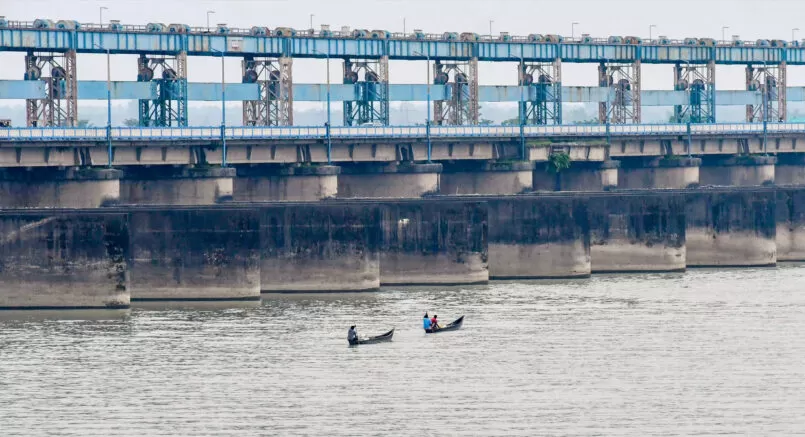
Uran, a bustling suburb on the outskirts of Mumbai, draws most of its drinking water from a network of small reservoirs and a few groundwater wells. Normally, the early monsoon rains refill these sources, giving households a buffer before the next supply cycle. This year, the rainclouds hit the city a week or two later than expected, leaving the tanks hovering at just 40‑45 % capacity.
“We’re seeing the water levels dip faster than usual,” said Ramesh Patil, a senior engineer with the local water department. “Even the emergency tanks that we keep for dry spells are almost empty now. If the rains stay late, we could be looking at scheduled water cuts by the end of the month.”
For families in the densely packed neighborhoods of Uran, the news is more than a bureaucratic footnote. Many rely on a daily water supply that runs for only a few hours each morning. When those hours shrink, they scramble to store water in plastic drums, buckets and even empty milk containers.
Local shopkeepers have started charging a modest premium for bottled water, while street vendors report a surge in demand for “water‑on‑the‑go” packs. “People are buying water like it’s a luxury item now,” observed Meena Joshi, who runs a small grocery store on the main road. “Even my regular customers are buying extra, just in case.”
Authorities are not standing still. The municipal council has issued an advisory urging residents to limit non‑essential water use – no washing cars, reduced garden irrigation, and, of course, fixing leaky taps. They’ve also begun a pilot program to distribute water‑saving kits that include low‑flow showerheads and faucet restrictors.
In addition, the state water department has mobilized two tankers from nearby villages to augment the supply temporarily. These tankers are scheduled to make a round‑trip to Uran every other day, delivering about 2,500 liters each. “It’s not a permanent fix, but it buys us a little breathing room,” said Patil.
The situation has also sparked a broader conversation about long‑term resilience. Urban planners and environmental groups are urging the city to invest in larger rain‑water harvesting structures, upgrade the ageing pipeline network, and explore alternative sources such as desalination. “Climate patterns are shifting,” warned Dr. Anita Rao, a climate scientist at the University of Mumbai. “Reliance on a narrow window of monsoon rainfall is becoming a gamble.”
For now, the people of Uran are taking the advice to heart, tightening their taps and rationing water where they can. Children in the local schools are being taught simple water‑conservation habits, like turning off the tap while brushing teeth. It’s a small step, but in a town feeling the pinch of a delayed monsoon, every drop counts.
As the skies finally open up, the hope is that the delayed rains will stay long enough to refill the reservoirs, lift the restrictions, and restore a sense of normalcy. Until then, Uran’s residents remain on alert, watching the clouds and counting the minutes between each water drop.
Editorial note: Nishadil may use AI assistance for news drafting and formatting. Readers can report issues from this page, and material corrections are reviewed under our editorial standards.