Unlocking the Code: How Our Genes Influence Cancer's Odds
- Nishadil
- July 28, 2026
- 0 Comments
- 5 minutes read
- 37 Views
- Save
- Follow Topic

New Research Reveals Direct Link Between Inherited Genetics and Cancer Vulnerability
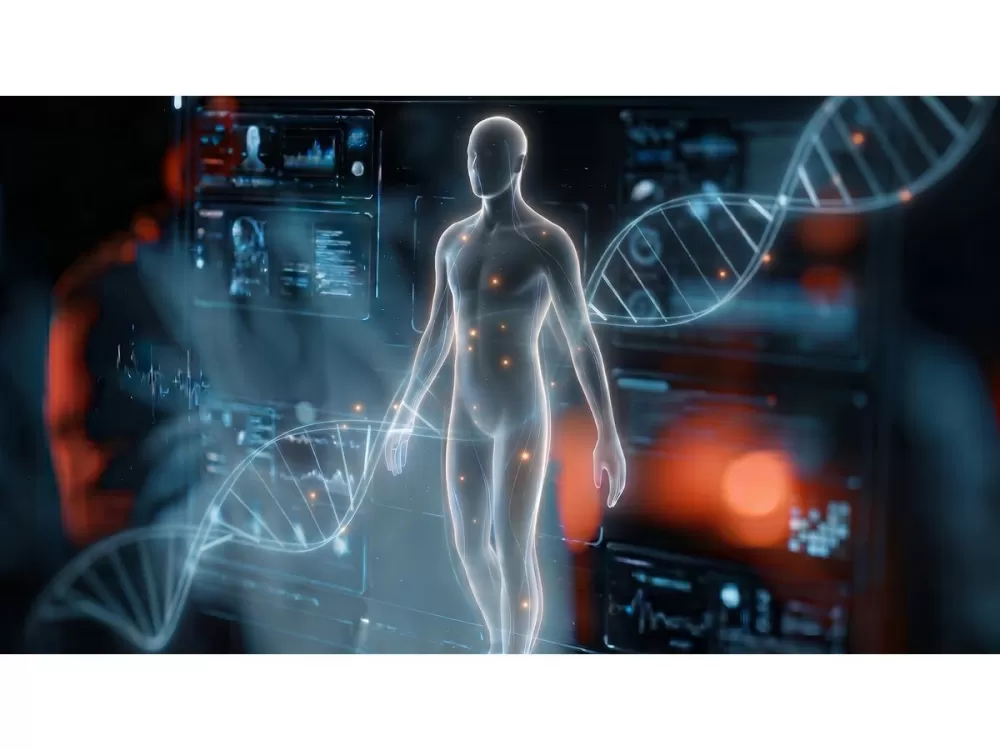
A landmark international study offers the first direct evidence that our inherited genetic makeup significantly influences how our DNA reacts to environmental exposures like cigarette smoke and sun, providing crucial clues into why some individuals develop cancer while others remain protected.
We've all seen it, haven't we? Two people, leading similar lives, perhaps even sharing a similar habit – say, smoking for years – yet one eventually succumbs to lung cancer while the other, almost inexplicably, seems to dodge that devastating bullet. For decades, this baffling discrepancy has been a whispered question among doctors and a frustrating puzzle for researchers. It’s a cruel twist of fate, a lottery no one wants to play, and understanding why has been incredibly challenging. But now, it seems, we're finally getting some real answers.
A new, truly international study, published recently in the esteemed journal Nature on July 27, 2026, has delivered what many consider to be the first direct evidence we've had. This groundbreaking research strongly suggests that our own inherited genetic makeup isn't just a passive observer; it actively influences how our DNA reacts to the environmental onslaughts we face every day. Think about things like the chemicals in cigarette smoke or even prolonged exposure to sunlight – these aren't just external factors, but our bodies respond to them in ways that are, surprisingly, pre-programmed to an extent by our genes.
What this all boils down to is mutations. Our DNA is constantly being damaged, and our bodies are usually pretty good at repairing it. However, environmental carcinogens can overwhelm these repair mechanisms, leading to persistent mutations. This new study highlights how our unique genetic blueprint can actually alter the way this damage occurs and, crucially, how those damaged cells then evolve, or don't evolve, into cancer. It's like having a set of personalized defense instructions encoded right into our very cells, dictating our vulnerability or resilience.
This wasn't a small-scale effort, mind you. The global team behind these findings brought together brilliant minds from some of the world's leading institutions, including the University of Cambridge and the University of Edinburgh in the UK, as well as researchers from Heidelberg and Yale. Such a collaborative endeavor underscores the complexity and importance of the questions they were tackling, all generously supported by funding from Cancer Research UK – a testament to the potential impact of their work.
The researchers didn't just stop at observing; they delved deep, even using mouse models to better understand the intricacies. What they discovered there was fascinating: the genetic background of these models directly influenced how cancers evolved within them. It went beyond just the initial damage; it affected additional cancer-related pathways and even the likelihood of something called whole-genome duplication, a serious genetic error that can accelerate cancer progression. It’s a much more dynamic interplay than we might have initially imagined.
Of course, the road to this understanding hasn't been without its twists and turns. For a long time, connecting genetics directly to cancer risk was incredibly tricky. Why? Well, just think of the sheer variety in people's lives: different diets, environments, varying levels of exposure to harmful substances. It made isolating the genetic signal feel almost impossible. Interestingly, this new study builds on a growing body of work; for instance, an earlier study from January 2025, also published in Nature Genetics by researchers at Albert Einstein College of Medicine, explored similar protective genetic mechanisms in lifelong smokers, showing that some individuals really do have an internal shield that limits mutation accumulation. It’s a field constantly pushing boundaries.
Ultimately, these findings offer a profound glimmer of hope. By better understanding these inherited genetic differences and how they influence our susceptibility, we can start to envision a future with more personalized risk assessments, targeted prevention strategies, and perhaps even entirely new approaches to treatment. It’s a powerful reminder that our journey into the human genome continues to unlock secrets that could, one day, change countless lives for the better.
- Health
- News
- UnitedKingdom
- HealthNews
- Ukraine
- France
- Russia
- Ireland
- Iceland
- Denmark
- Sweden
- Cancer
- Genetics
- Germany
- Switzerland
- Belgium
- Italy
- Spain
- Poland
- Romania
- Greece
- Slovenia
- Montenegro
- BosniaAndHerzegovina
- Cyprus
- Albania
- Malta
- Macedonia
- Moldova
- SanMarino
- Netherland
- Hungary
- Austria
- Norway
- Portugal
- Serbia
- Bulgaria
- CzechRepublic
- Latvia
- Lithuania
- Slovakia
- Andorra
- Kosovo
- Liechtenstein
- Finland
- Monaco
- Vatican
- Belarus
- Estonia
- Luxembourg
- Croatia
- Treatment
- CancerResearch
- PersonalizedMedicine
- ResearchOnCancer
- NatureJournal
- HealthBreakthroughs
- InheritedRisk
- CancerResearchUk
- DnaMutations
- SmokingAndCancer
- EnvironmentalCarcinogens
Editorial note: Nishadil may use AI assistance for news drafting and formatting. Readers can report issues from this page, and material corrections are reviewed under our editorial standards.