UNEP Warns: We’ve Missed the 1.5°C Target, but a Quick Turnaround Is Still Possible
- Nishadil
- October 22, 2026
- 0 Comments
- 3 minutes read
- 9 Views
- Save
- Follow Topic
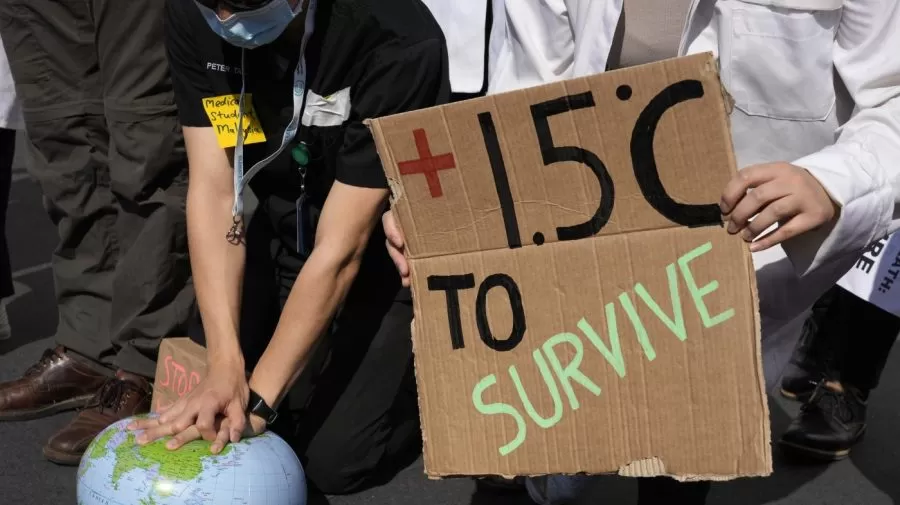
World Will Overshoot 1.5°C, Yet Rapid Emissions Cuts Could Bring Temperatures Back
The UN Environment Programme’s 2026 Emissions Gap Report says the 1.5°C goal is already out of reach, but aggressive cuts could limit the overshoot and pull us back by 2100.
Wednesday’s release of the United Nations Environment Programme’s Emissions Gap Report 2026: The Point of Return felt a bit like a wake‑up call at the breakfast table – uncomfortable, but impossible to ignore. The headline? We’re on track to breach the 1.5°C ceiling above pre‑industrial levels, and the window to keep the planet below that mark without any overshoot has already closed.
That doesn’t mean all is lost, though. UNEP’s own social‑media account tried to soften the blow: “Urgent action can still limit the overshoot and bring warming back to 1.5°C by 2100.” In plain English, if nations slash emissions faster than anyone expected, we might still avoid the worst of the climate chaos.
The report sketches a “best‑case” overshoot pathway, capping peak warming at roughly 1.7‑1.8°C in mid‑century. To thread that needle, global greenhouse‑gas output would need to tumble by 18 % by 2030, 45 % by 2035 and a staggering 69 % by 2040 – all measured against 2025 levels.
Contrast that with what the United Nations calls the “full implementation of Nationally Determined Contributions” (the NDCs pledged under the Paris Agreement). Even if every country follows through on its current promises, emissions would only dip 5‑8 % by 2030 and 11‑15 % by 2035 – far short of what the climate crisis demands.
Current policies, the UNEP authors warn, would see the planet warming to about 2.8°C by the end of the century, with temperatures climbing even higher thereafter. Even if every pledge on the table is honoured, we’d still be staring at roughly 2.6°C – a number that’s actually worse than last year’s forecast. The agency points fingers at the United States’ retreat from the Paris Agreement and revised tallies of historical emissions as key drivers of that slip.
President Trump’s decision to pull the United States out of the Paris pact took effect in January 2026, undoing the brief re‑entry that occurred under the previous administration. The move sparked fresh criticism from climate leaders, not least UNEP Executive Director Inger Andersen, who reminded us that every extra tenth of a degree matters.
“Every additional fraction of a degree and every extra year above 1.5°C raises the odds of deadly floods, scorching heatwaves and uncontrollable wildfires,” Andersen warned, citing the spate of climate‑related disasters that have already battered communities worldwide this year.
Her message is clear: we must “pull out all the stops” to shave the peak warming down and, if possible, steer the globe back toward the 1.5°C goal before the century ends. It’s a tall order, but the report suggests it’s not mathematically impossible – just politically and socially demanding.
In the end, the UNEP study isn’t a doom‑saying proclamation; it’s a call for urgency. The clock is ticking, the temperature is climbing, and the choices we make in the next few years will decide whether the overshoot is a brief stumble or a permanent slide.
Editorial note: Nishadil may use AI assistance for news drafting and formatting. Readers can report issues from this page, and material corrections are reviewed under our editorial standards.