Turning Plastic Waste into Edible Cookies: NASA‑Backed Yeast Engineers Food for Earth and Space
- Nishadil
- September 14, 2026
- 0 Comments
- 3 minutes read
- 4 Views
- Save
- Follow Topic

Engineered yeast converts PET bottles and plant leftovers into protein‑rich 3D‑printed cookies
Scientists at Southern Illinois University have programmed yeast to transform plastic and agricultural waste into nutritious, 3D‑printed cookies, a breakthrough that could help feed people on Earth and on long‑duration space missions.
It sounds like a joke at first—plastic bottles and cookies sharing a kitchen—but a team of researchers has actually married the two. By tweaking the genetic code of common yeast, they’ve built a tiny factory that chews up PET plastic and corn stalks and spits out edible protein, fats, vitamins and even vanilla flavor.
The work grew out of a NASA‑sponsored effort to design food systems for deep‑space travel, where every gram counts and resupply ships are a distant luxury. "We were trying to develop technologies for plastic up‑cycling to make more valuable products. Then we thought, why not make food? After all, plastic is carbon, and food is carbon," explains Associate Professor Lahiru Jayakody of Southern Illinois University, Carbondale.
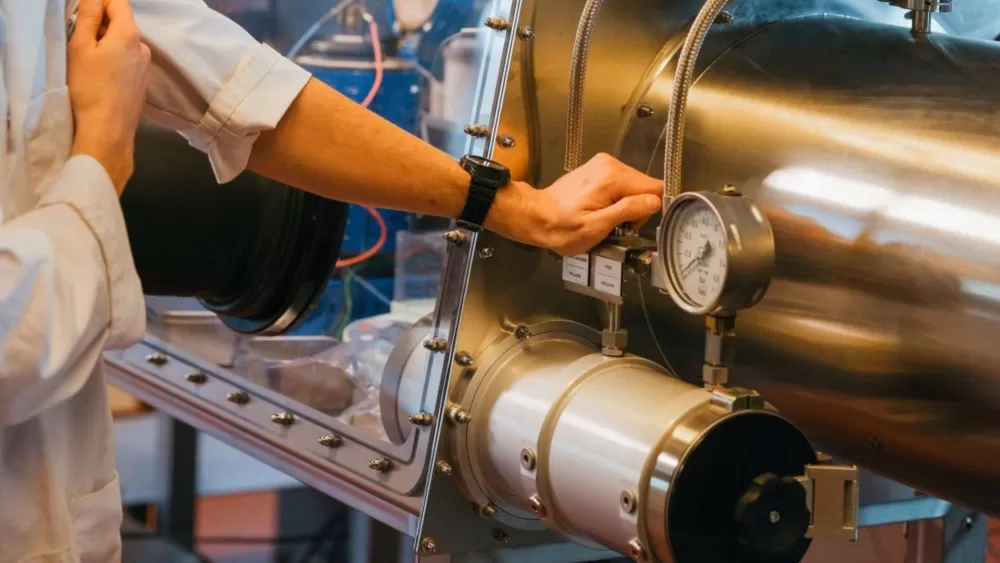
The target material is polyethylene terephthalate (PET)—the clear polymer that makes up most soda and water bottles. PET is stubborn; it resists breaking down under normal conditions. To get around that, the team first subjects the plastic, along with agricultural residues like corn stalks and leaves, to a proprietary oxidative hydrothermal dissolution process invented by geology professor Ken Anderson. In a high‑pressure, high‑temperature water‑oxygen bath, the bulky polymers dissolve into much smaller, micro‑molecules that microbes can actually use.
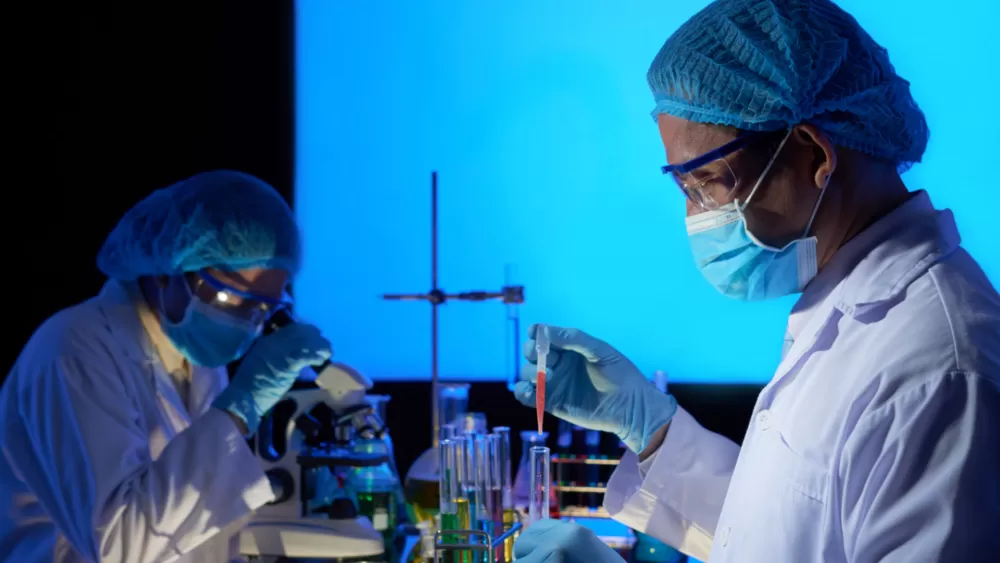
Enter the yeast. Using tools that have long been employed to make insulin and bio‑fuels, Jayakody and graduate student Sandhya Jayasekara re‑programmed baker’s yeast and a few other strains. These engineered microbes gobble the dissolved waste and, through a cascade of biochemical steps, rebuild it into useful food components—protein fragments, fatty acids, and a suite of micronutrients.
One clever twist is the addition of flavor‑building pathways. A modified baker’s yeast now converts plant‑derived substrates into vanillin, the primary component of vanilla extract. Another strain channels ethylene glycol—derived from PET—into beta‑carotene, a provitamin A pigment that the human body can turn into vitamin A.
All those micro‑ingredients are then mixed with a little extra starch, fiber and sweetener, loaded into a 3D printer and built layer by layer into bite‑size cookies the team calls µBites (pronounced “micro‑bites”). Early sensory tests have been modest—participants sniff the cookies and, while formal taste panels are still pending institutional approval, most say they’d eat a µBite if food were scarce.
Beyond the novelty, the implications could be huge. Imagine a submarine crew, a disaster‑relief convoy, or a crew on the Moon or Mars pulling a few plastic bottles from a waste bin, feeding them to yeast, and printing fresh protein‑dense snacks on demand. It tackles two massive challenges at once: the mounting mountain of plastic waste and the looming threat of global food insecurity.
The researchers are not stopping at the cookie. Their long‑term goal is to let microbes produce every ingredient—starch, sweeteners, fibers—so that future µBites could be 100 % microbe‑made, eliminating the need for any external additives.
"Microbes are very clever. So we are using their traits to solve the problems we created," says Jayakody, summarizing the spirit of the project. If the timeline holds, we could see public‑ready µBites within a few years, offering a tasty, sustainable answer to both trash and hunger.
Editorial note: Nishadil may use AI assistance for news drafting and formatting. Readers can report issues from this page, and material corrections are reviewed under our editorial standards.