TSMC Navigates Q1 Dip with Robust AI Outlook
- Nishadil
- April 16, 2026
- 0 Comments
- 4 minutes read
- 45 Views
- Save
- Follow Topic
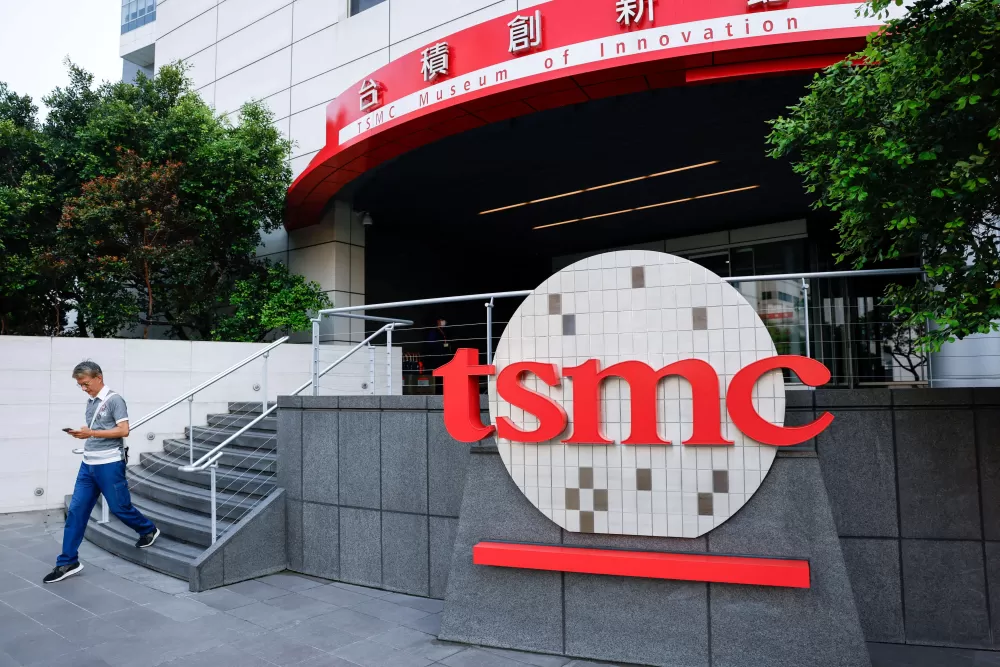
Chip Giant TSMC Sees Profit Dip, But AI Demand Fuels Confident Future
Taiwan Semiconductor Manufacturing Co. (TSMC), the world's premier chipmaker, reported a slight profit drop in Q1 but confidently projects strong growth for 2024, driven by insatiable demand for advanced AI chips.
Alright, let's talk about TSMC, the undisputed titan in the world of advanced chip manufacturing. You know, the company that basically churns out the silicon brains for everything from your smartphone to those incredibly powerful AI servers. Well, their latest earnings report for the first quarter of 2024 just came out, and it's a bit of a mixed bag, at least at first glance.
They reported a net profit of T$225.5 billion (that's roughly $6.98 billion USD). Now, that's actually a 5% dip compared to the same period last year, which might make you raise an eyebrow. However, and here's the kicker, it still managed to beat analyst expectations, which were hovering around T$218.1 billion. So, while the number went down year-over-year, it outperformed what many in the market had braced for. Interestingly, revenue for the quarter actually climbed a respectable 12.9% to T$592.6 billion.
So, why the profit dip despite climbing revenue? Digging a little deeper, the company attributed it to a couple of factors: higher operating expenses and, rather poignantly, the impact of the devastating earthquake that hit Taiwan earlier in the quarter. It just goes to show you that even a company as robust as TSMC isn't entirely immune to unforeseen challenges, whether economic or natural.
But here's where the story really gets interesting and, frankly, much more optimistic. Looking ahead, TSMC is projecting its second-quarter revenue to land somewhere between $19.6 billion and $20.4 billion. That's a healthy bump from Q1's $18.87 billion, signaling a clear upward trend. And perhaps even more critically, they've stuck to their full-year revenue growth forecast for 2024, anticipating a jump in the low-to-mid 20s percentage range in U.S. dollar terms. That consistency, despite the Q1 profit nuance, speaks volumes.
What's fueling this unwavering confidence? You guessed it: artificial intelligence. TSMC is right at the heart of the AI revolution, fabricating the incredibly complex chips that power everything from generative AI models to advanced machine learning applications. They've explicitly reiterated their belief in "strong demand" for these cutting-edge AI chips, a sentiment that resonates across the tech industry. It's not just a passing trend for them; it's a fundamental shift.
In fact, TSMC anticipates that AI revenue will grow significantly, moving from a low-teen percentage of their total revenue right now to more than 20% within the next five years. That's a massive shift in their revenue mix, underscoring the long-term strategic importance of AI for the company. Naturally, this means big names like Nvidia, Apple, Qualcomm, and Broadcom, all major TSMC clients, are central to this growth narrative.
The broader semiconductor market, after a bit of a lull in 2023, is clearly bouncing back with vigor. TSMC, being the foundry that manufactures the vast majority of the world's most advanced processors – including, crucially, Nvidia's game-changing AI accelerators – is perfectly positioned to capitalize on this resurgence. They're not just sitting pretty either; the company is actively expanding its global footprint, building new state-of-the-art facilities in places like Japan, Germany, and right here in the U.S., specifically Arizona, boosted by initiatives like the CHIPS Act. Their capital expenditure for 2024, projected at $28 billion to $32 billion, remains unchanged, reflecting their commitment to future capacity and technological leadership.
So, while the headline might suggest a minor stumble in Q1, the deeper story reveals a company confidently navigating market dynamics, leveraging its technological prowess, and riding the colossal wave of AI demand. TSMC isn't just surviving; it's strategically positioning itself for continued dominance in an increasingly digitized and intelligent world.
- Canada
- Business
- News
- BusinessNews
- Finance
- Environment
- UsNews
- NationalNews
- Travel
- Education
- Nvidia
- Government
- PoliticalNews
- Economics
- Profit
- Ontario
- Tsmc
- AiChips
- CanadaNews
- Revenue
- EarningsReport
- Alberta
- ChipManufacturing
- ChipsAct
- GlobalExpansion
- SemiconductorIndustry
- Yukon
- ForeignNews
- CanadianBreakingNews
- Trudeau
- PoliticalOpinion
- GlobeAndMailCanadaNews
- GlobeAndMail
- NorthwestTerritories
- Q12024
- TechnologyMarket
- TaiwanSemiconductor
- AdvancedChips
Editorial note: Nishadil may use AI assistance for news drafting and formatting. Readers can report issues from this page, and material corrections are reviewed under our editorial standards.