Trump's Bold Claim: Can He Really Undo Biden's Pardons?
- Nishadil
- December 03, 2025
- 0 Comments
- 4 minutes read
- 59 Views
- Save
- Follow Topic

The Autopen Paradox: Unpacking Trump's Claim to Revoke Biden's Pardons
Former President Trump claims to have revoked pardons issued by President Biden, specifically those signed by autopen. This raises critical legal questions about the irrevocability of presidential pardons and the unique implications of automated signatures in acts of clemency.
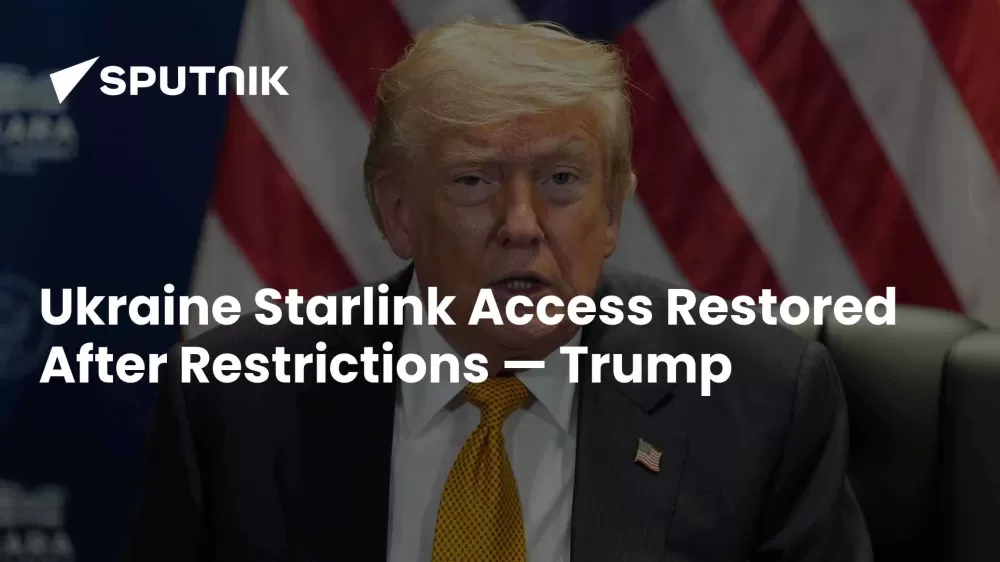
Well, if you've been following the political landscape even casually, you know that former President Donald Trump never shies away from a dramatic pronouncement. His latest, however, has sent ripples of confusion and, frankly, legal head-scratching across Washington: he claims to have unilaterally revoked pardons granted by President Joe Biden, specifically those signed with an autopen. It's a move that begs a fundamental question: Is that even possible?
To truly grasp the gravity – or perhaps the sheer audacity – of Trump's assertion, we need to understand what a presidential pardon actually entails. Constitutionally, the President holds immense power under Article II, Section 2, Clause 1, to grant 'reprieves and pardons for offenses against the United States, except in cases of impeachment.' This power is, for all intents and purposes, considered absolute once exercised. Once a pardon is officially granted and accepted, it's generally seen as a done deal, irrevocable. Think of it like putting toothpaste back in the tube – virtually impossible.
Now, let's zoom in on that 'autopen' detail. The use of an autopen, a machine that replicates a signature, isn't entirely new in the Oval Office. Presidents from George W. Bush to Barack Obama and even Trump himself have used them for various routine documents, bill signings, or letters when they're away from the capital. It’s a convenience, really. However, when it comes to something as weighty and legally definitive as a pardon, the consensus among legal eagles has always been that it requires the President's personal hand and intent. A pardon isn't just a formality; it's an act of presidential clemency, an intensely personal exercise of power.
The legal community, for the most part, stands firm on the principle that a pardon, once issued and delivered, is final. It's not a revocable contract; it’s a unilateral act of grace. The Supreme Court has weighed in on this, perhaps most famously in the 1927 case of Biddle v. Perovich, where Justice Oliver Wendell Holmes Jr. affirmed that a pardon is an act of mercy, not a contract, and that once it's effective, it cannot be recalled. The individual has accepted it, and their slate is, legally speaking, wiped clean. The idea that a subsequent administration could just wave a hand and undo such an act flies in the face of decades, even centuries, of legal understanding.
So, if the legal framework seems so clear, why would Trump make such a claim? Well, this isn't just about legal minutiae; it’s undeniably steeped in political theater. It’s a direct challenge to the legitimacy of his predecessor’s actions, designed to energize his base and potentially set the stage for further legal battles and public debates. Whether these alleged 'autopen pardons' actually exist in a significant number, or if this is more of a broadside against Biden’s legacy, remains to be seen. But the implication is clear: an attempt to nullify, or at least cast a shadow over, decisions made by a political rival.
Should Trump attempt to formally revoke any pardons, the immediate outcome would almost certainly be a cascade of legal challenges. Those who received the pardons, or their legal teams, would undoubtedly petition courts to uphold their clemency. We're talking about a constitutional showdown here, potentially reaching the highest courts in the land. It would thrust the judicial system into yet another politically charged dispute, forcing them to reaffirm long-held principles of presidential authority and the irrevocability of pardons.
Ultimately, while former President Trump's declaration certainly makes for a dramatic headline and sparks lively debate, the prevailing legal consensus suggests his power to unilaterally revoke duly issued pardons, even those signed by autopen, is virtually nonexistent. A pardon, once granted, isn't simply a digital signature that can be erased; it’s a weighty presidential act with enduring legal force. This latest maneuver serves as a stark reminder of the continuous interplay between political ambition and the often-immutable constraints of constitutional law.
Editorial note: Nishadil may use AI assistance for news drafting and formatting. Readers can report issues from this page, and material corrections are reviewed under our editorial standards.