Trump AI Executive Order Reportedly Postponed Amidst Policy Complexities
- Nishadil
- May 22, 2026
- 0 Comments
- 3 minutes read
- 30 Views
- Save
- Follow Topic

Proposed Trump Administration AI Executive Order Faces Delay, Signifying Deep Regulatory Challenges
Reports suggest a highly anticipated executive order on Artificial Intelligence from a potential Trump administration in 2026 has been delayed, sparking crucial conversations about the intricate challenges of governing rapidly evolving technology.
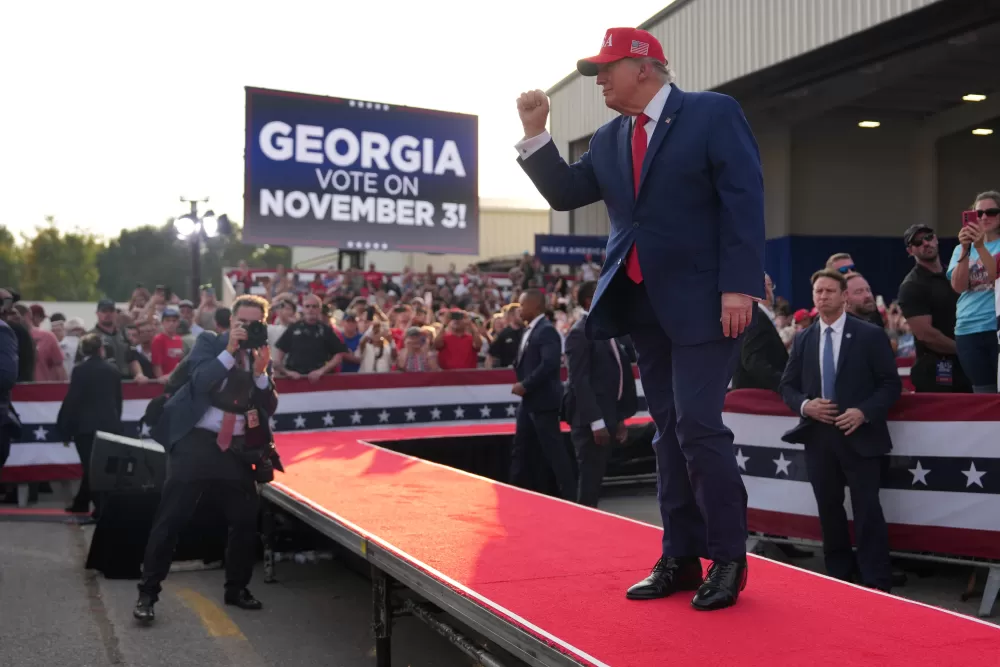
Well, it seems like the much-talked-about executive order on artificial intelligence, one that many anticipated from a potential future Trump administration, has hit a bit of a speed bump. Word on the street, particularly within policy circles and tech corridors, suggests a postponement, and frankly, it's not entirely surprising when you consider the sheer complexity of the subject matter we're dealing with here.
Originally eyed as a landmark move to assert American leadership and, perhaps, bring a touch of order to the wild west of AI development, this executive order was meant to lay down some foundational rules. But here's the thing: crafting policy for something as dynamic and fast-evolving as AI isn't just difficult; it's like trying to hit a moving target while blindfolded. You've got national security concerns vying with economic competitiveness, deep ethical dilemmas rubbing shoulders with the breakneck pace of innovation – all demanding meticulous attention. It’s a lot to untangle, even for the most seasoned policymakers, wouldn't you agree?
One can't help but wonder about the internal machinations behind such a significant delay. Is it a matter of needing more robust input from industry leaders and academics, or perhaps a struggle to reconcile differing viewpoints within potential future advisors? Or maybe, just maybe, it’s a strategic pause, a moment to truly grasp the monumental implications before committing anything to paper. After all, the decisions made today about artificial intelligence will ripple through society for decades to come, impacting everything from job markets and privacy to national defense. No pressure, right?
This postponement, while potentially just a procedural blip on the radar, does send a clear message. It underscores the immense challenge any administration faces in attempting to govern a technology that's still very much in its infancy, yet growing at an exponential rate. For the AI industry, it might mean continued uncertainty – a state they're unfortunately quite accustomed to, but one that hardly fosters the kind of long-term planning or significant investment in areas that might soon be regulated. And for the international stage, it could be perceived as a moment of hesitation, potentially affecting America’s perceived leadership in setting global AI standards.
So, what now? Well, the critical conversation around AI regulation isn't going anywhere, that's for sure. If anything, this delay simply buys more time for reflection, for deeper debate, and hopefully, for a more comprehensive and truly forward-thinking approach. The stakes, my friends, are incredibly high, and getting it right, even if it means taking a little longer, is paramount. We'll certainly be watching to see how this unfolds, because when it comes to AI, every decision, or indeed every delay, tells a significant story about our collective future.
- UnitedStatesOfAmerica
- News
- Politics
- Technology
- DonaldTrump
- TechnologyNews
- WhiteHouse
- Articles
- TrumpAdministration
- AIArtificialIntelligence
- Cnbc
- BreakingNewsPolitics
- DonaldJTrump
- SourceTagnameCnbcUsSource
- AiRegulation
- ExecutiveOrder
- FutureTechPolicy
- BreakingNewsTechnology
- ArtificialIntelligencePolicy
- PoliticalLeaders
- Ceos
- TechGovernance
- TechnologyChallenges
- UsAiStrategy
- NationalSecurityAi
- PolicyPostponement
Editorial note: Nishadil may use AI assistance for news drafting and formatting. Readers can report issues from this page, and material corrections are reviewed under our editorial standards.